
If you’re a fan of those little bites of heaven, you’re in for a treat! Hakka cuisine presents a vibrant array of dishes that bring robust flavors to the table, often featuring hearty dumplings that pack a punch. On the flip side, Cantonese dim sum is all about light and refreshing tastes, showcasing fresh ingredients and artistic presentations.
Think of classic choices like siu mai and har gow, which have won hearts in both culinary traditions.
Each delectable morsel is a delightful way to experience diverse cultural heritages. So, let’s dive into the wonderful world filled with steamed buns and dumplings, including siu mai, har gow, and char siu.
| Category | Hakka Dim Sum (客家点心) | Cantonese Dim Sum (粤式点心) |
|---|---|---|
| Cultural Background | Rooted in the Hakka diaspora, known for frugal, rustic food | Developed in Guangzhou/Hong Kong, refined tea house tradition |
| Cuisine Style | Hearty, earthy, simple, often steamed or pan-fried | Delicate, sophisticated, wide variety of techniques (steamed, baked, fried) |
| Common Ingredients | Taro, radish, glutinous rice, pork, salted turnip, dried shrimp | Shrimp, pork, mushrooms, bamboo shoots, custard, egg yolk |
| Famous Dishes | – Taro Cake (芋头糕) – Abacus Beads (算盘子) – Salted Turnip Dumplings (菜脯粄) | – Har Gow (虾饺) – Siu Mai (烧卖) – Char Siu Bao (叉烧包) – Egg Tart (蛋挞) |
| Texture Focus | Chewy, firm, sticky textures from taro, rice flour | Tender, juicy, smooth textures from wheat or starch-based wrappers |
| Presentation | Modest, home-style, rectangular or oval shapes | Elegant, bite-sized, artfully wrapped or molded |
| Serving Occasions | Family gatherings, Hakka festivals, breakfast or snacks | Morning or afternoon “yum cha” sessions, daily or weekends |
| Use of Fermented Items | Often includes fermented vegetables (e.g., mei cai) | Less common; flavors are cleaner and lighter |
| Heat & Spices | Minimal spices, more umami from dried seafood or cured pork | Balanced flavors, often uses white pepper, sesame oil, ginger |
| Sauces / Condiments | Soy sauce, sometimes chili garlic paste | Soy sauce, XO sauce, hoisin, mustard, black vinegar |
| Regional Influence | Based on migration and mountain lifestyles | Influenced by coastal trade and cosmopolitan Guangzhou |
| Modern Innovation | Less fusion; traditional recipes preserved in rural areas | High-end restaurants introduce fusion & seasonal flavors |
| Dumpling Wrappers | Often made with rice or taro flour | Made with wheat starch or translucent wrappers |
| Glutinous Rice Dishes | Very common (e.g., Sticky Rice Balls with Peanuts) | Common too, but often refined (e.g., Lotus Leaf Sticky Rice) |
| Baking Techniques | Rare—mostly steamed or pan-fried | Common—egg tarts, baked buns, puff pastries |
Understanding Hakka Cuisine And Dim Sum
Hakka dishes serve up bold flavors that evoke a sense of comfort and community. Take baozi, for example; these steaming buns are like little pillows of joy, bursting with savory fillings that tell stories of the Hakka heritage.
And let’s not forget about the delightful rice rolls, which often accompany a steaming cup of tea pairing.
Each bite of these rolls, drenched in soy sauce and topped with fresh garnishes, reveals layers of taste and tradition.
It’s like a culinary hug with every morsel! As we dive deeper, you’ll see how these unique offerings stand apart, yet also share a table with other styles like Cantonese cuisine. So, are you ready to explore the delightful world of baozi, rice rolls, tea pairing, Cantonese cuisine, and Hakka cuisine?.
Distinctive Flavor Profiles Of Cantonese Dim Sum

When it comes to Cantonese cuisine, the small plates served at dim sum are a celebration of flavor. Each dish brings an exciting mix of sweet and savory elements, adding a delightful twist to the dining experience.
Expect surprises as you explore the various dim sum varieties, where ingredients like shrimp and pork artfully combine with fresh herbs.
The use of bamboo steamers ensures these savory snacks retain their moist texture and enhance the rich flavors.
So, whether you’re indulging in a dumpling or a bao, each bite is an invitation to discover new tastes that keep you coming back for more. Moving from the diverse flavors of dim sum, let’s look into how you can enjoy steamed buns to elevate your next food adventure by exploring the various dim sum varieties that can be prepared in bamboo steamers, celebrating the rich food culture and the delightful small plates of savory snacks they offer.
Dim Sum
- Dim sum consists of a variety of small plates, allowing for a diverse tasting experience.
- Traditional dim sum often includes ingredients like shrimp, pork, and fresh herbs, creating a unique blend of flavors.
- Bamboo steamers are commonly used in preparing dim sum, which helps retain moisture and enhance flavor.
- Each dim sum dish offers an opportunity to explore new tastes and culinary traditions.
How To Enjoy Steamed Buns At Dim Sum?
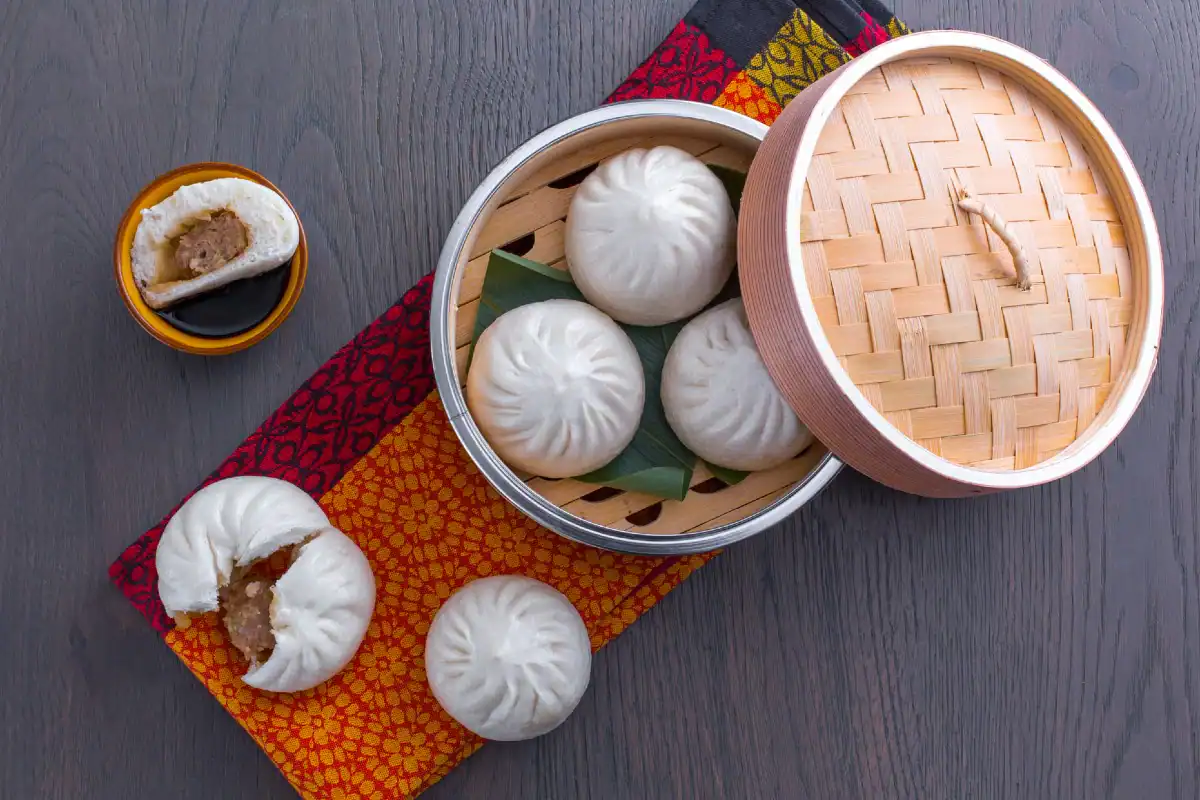
Steamed buns are a delightful treat that can transport your taste buds straight to a bustling dim sum restaurant. To truly savor each bite, start by selecting a bun with a flavor profile that catches your eye—whether it’s a savory pork filling or those sweet pastries that bring a smile.
You’ll find a wonderful array of options, from light and fluffy textures to denser varieties that are just as satisfying.
To elevate your dining experience, perfect pairings are a must.
Dipping your buns in soy sauce or adding a hint of chili can enhance the flavors beautifully.
Mixing in some shrimp dumplings or chive dumplings creates a harmonious balance on your plate, ensuring every bite is a new adventure.
Whether indulging in sweet pastries, lotus leaf wraps, pork filling, shrimp dumplings, or chive dumplings, each bite offers a delightful experience that tantalizes the taste buds.
Dumpling Making Techniques For Hakka Dishes

Making Hakka dumplings is a delightful experience that anyone can tackle. The journey begins with the dough; choosing the right flour makes all the difference for achieving that smooth, pliable texture.
Roll it out easily and you’ll be on your way! Now, let’s talk about the filling—balancing flavors is crucial here.
A tasty combination of minced meat, fresh vegetables, and a splash of soy sauce creates a savory explosion.
When it comes to cooking, you’ve got choices! Steaming will keep them soft and fluffy, while frying adds a delightful crispy touch. You can elevate the dish even more with a dash of chili oil or a tangy vinegar dipping sauce to intensify those flavors
Exploring Siu Mai And Its Variations
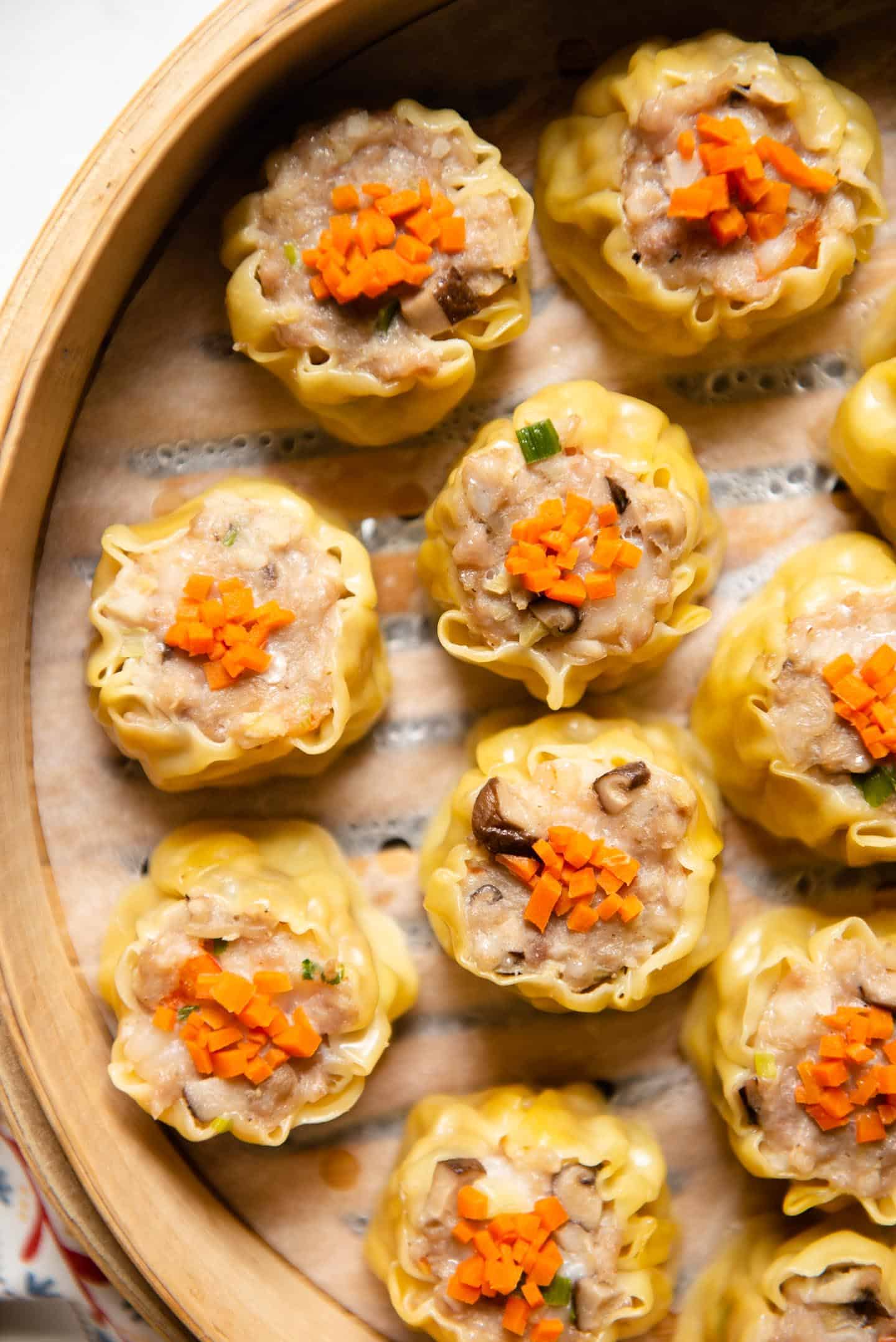
Imagine stepping into a bustling tea house and being welcomed by the delicious aromas of freshly steamed dumplings. One particular favorite that often steals the show is a charming little bite that represents a rich cultural heritage.
These delightful pockets of flavor come with a variety of fillings, from juicy pork to succulent shrimp or vibrant veggies, each showcasing unique culinary techniques that highlight their individual charm.
If you’re new to this tasty adventure, think about the flavor profiles you’re most curious about. Are you feeling nostalgic for the classic pork option, or are you tempted to explore the garden-fresh allure of vegetarian varieties? The choices are truly endless, inviting you to celebrate cultural heritage through diverse culinary techniques and flavor profiles while enjoying meal sharing in a cozy tea house.
What Makes Har Gow Unique In Cantonese Cuisine?

Picture yourself at a bustling dim sum restaurant, where the air is filled with tantalizing aromas and cheerful chatter. Among the array of tempting dishes, one dumpling truly stands out with its delicate and translucent wrapper, showcasing the skill of the chef.
Food presentation plays a significant role here, inviting diners to savor every bite.
Inside this culinary gem, you’ll discover a juicy shrimp filling that emphasizes the importance of freshness.
The flavor really pops, capturing the essence of Cantonese cuisine effortlessly. Unlike those deep-fried treats or overly spicy condiments, the steaming method preserves the dumpling’s subtlety while enriching each mouthful. It’s a delightful combination that keeps you coming back for more!
As we wrap up our exploration of this exceptional dish, you might find the vibrant food presentation and enticing flavors of street food, complemented by deep-fried treats, savory rice, and spicy condiments, lingering in your memory long after the last bite.
Perfecting Tea Pairing With Dim Sum Varieties
Finding the right tea to enhance your dim sum experience can truly transform your meal into something memorable. Each cup offers a chance for culinary exploration, amplifying the flavors of your favorite dishes.
Picture yourself enjoying a fluffy steamed bun with a side of lightly floral tea that perfectly balances its sweetness.
The key is to discover those delightful matches that elevate both the dumplings and the drink.
As you dive into the world of different dim sum options, consider how your tea choice can shape the entire atmosphere of your dining experience, making every portion size even more appetizing.
When you think about dumpling making, it’s clear that various styles of dim sum have their own ideal tea companions. For example, rich pork buns exemplify the culinary traditions of dumpling making, showcasing portion sizes that are both appetizing and invite further culinary exploration.
The Role Of Bamboo Steamers In Cooking Dim Sum
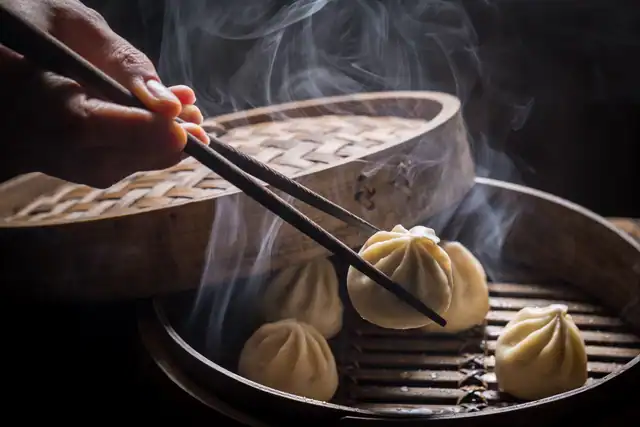
Using traditional tools can truly elevate your culinary adventures. Bamboo steamers, designed from flexible bamboo, offer a unique way to prepare a variety of dishes, including those scrumptious scallion pancakes and delightful dumplings.
This gentle steaming method not only maintains vibrant flavors but also preserves the delightful textures of your food enthusiasts, ensuring each bite is a gourmet experience.
Many food enthusiasts love how these steamers introduce an authentic touch to their cooking endeavors.
Their thoughtful design allows for even heat distribution, making it easy to achieve that perfect steam for ingredients like lotus root and more. With bamboo steamers in your kitchen, you’ll unlock a world of flavors that enhance your dim sum creations
Bamboo Steamers
- Bamboo steamers are made from natural, flexible bamboo, providing a unique cooking method.
- Steaming with bamboo retains vibrant flavors and preserves the textures of food.
- Even heat distribution in bamboo steamers ensures optimal cooking for various ingredients.
- Using bamboo steamers adds an authentic touch to Asian culinary dishes like dim sum.
Conclusion
When you savor dim sum, you’re embarking on a culinary journey that showcases vibrant flavor combinations and intricate textures. As we wrap up our delightful exploration, it’s easy to see that these dishes go beyond mere sustenance; they embody a rich cultural heritage.
Each meal course, from classic siu mai to fluffy bao, contributes a unique note to this symphony of tastes that lingers long after the meal.
Think about how experimenting with different flavors can elevate your experience.
Perhaps you’ve pondered the dining etiquette typical of a dim sum banquet or the excitement found at food festivals dedicated to this beloved cuisine. Every bite invites you to engage your senses and appreciate the artistry behind each dish, celebrating the intricate flavor combinations and meal courses that elevate banquets and embody dining etiquette, reminiscent of the vibrant atmosphere found at food festivals.


