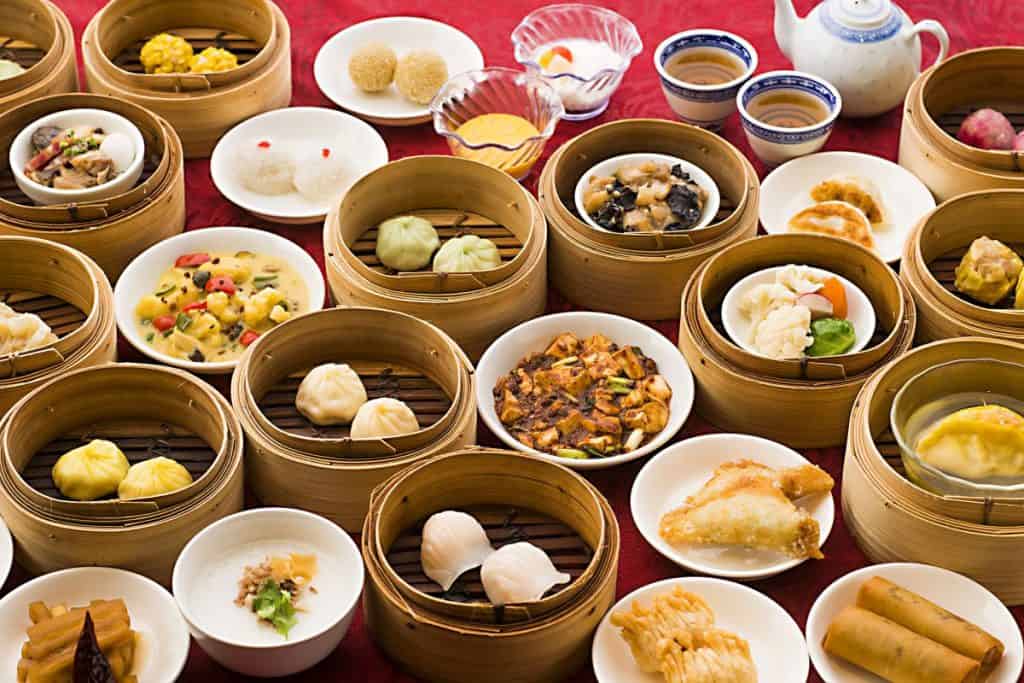
When it comes to savory bites, exploring the nuances of different styles can be a real treat. The delicate offering from Teochew often features steamed buns and light dumplings that refresh the palate with their subtle flavors.
Meanwhile, the vibrant Cantonese approach brings a rich tapestry of tastes, showcasing classics like siu mai and har gow that are adored by many.
Each style brings its own unique blend of ingredients and preparation methods, ensuring every morsel tells a story.
Dive into this delightful world, and you’ll find hints of the Teochew’s finesse contrasting beautifully with the robust Cantonese flair, inviting you to savor dumplings, steamed buns, wontons, har gow, and siu mai.
Here’s our table comparing Teochew and Cantonese Dim Sum:
Dumplings In Teochew Vs Cantonese Cuisine
If you’re a fan of good food, the world of dumplings is an exciting one to explore. Each region has its own twist, and when it comes to Teochew and Cantonese, you’re in for a delightful treat.
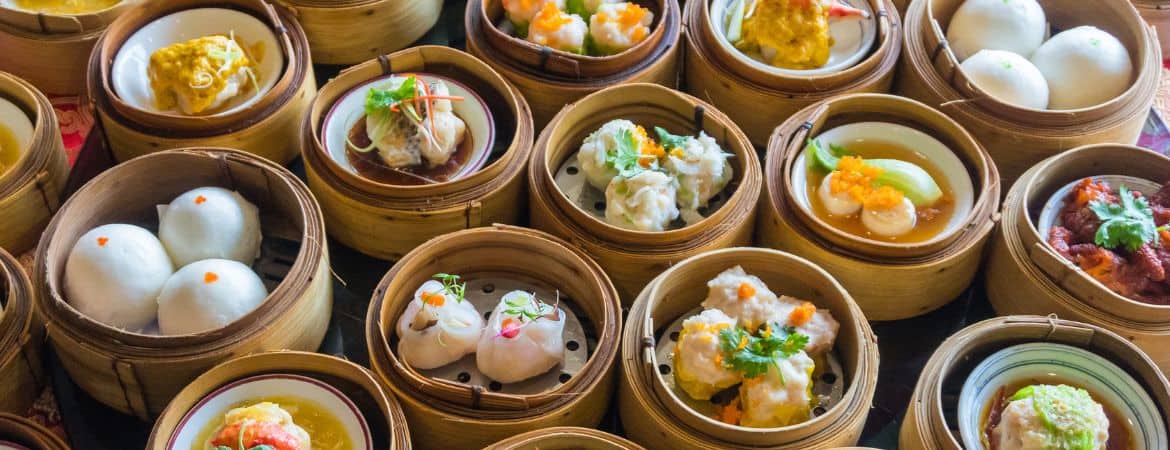
Teochew dumplings often surprise with their delicate rice rolls, while Cantonese options, like hearty pork dumplings, boast robust flavors.
The Teochew style shines through dishes such as the classic oyster dumpling, where subtle herbs and fresh ingredients sing in harmony.
Meanwhile, Cantonese favorites like shrimp dumplings and sweet char siu bao offer a richer, sweeter profile that many love. Both are absolutely perfect for sharing, especially when they’re nestled in bamboo baskets! Have you ever had the pleasure of enjoying rice rolls, char siu bao, shrimp dumplings, and pork dumplings along with these delightful treats?.
What Makes Har Gow Unique?

Have you ever experienced a bite of those delightful dumplings and thought about their special qualities?
Delicate Wrapper: The first thing you’ll notice is that signature translucent skin.
This isn’t just for show; it’s crafted from rice flour to provide a perfect texture that complements the filling beautifully.
Each dumpling emerges from bamboo steamers, presenting a visual appeal that’s hard to resist.
Distinct Filling: Now, let’s talk about the inside! Each dumpling is packed with fresh shrimp, sometimes blended with pork, creating a savory explosion of flavor. These delicacies truly reflect the essence of Chinese cuisine, making them a favorite among dim sum enthusiasts, especially when enjoyed with savory pastries and a perfect tea pairing from bamboo steamers.
| Feature | Description |
|---|---|
| Wrapper Material | Crafted from rice flour for a delicate and translucent skin |
| Cooking Method | Steamed in bamboo steamers for enhanced flavor and presentation |
| Filling Ingredients | Fresh shrimp, often blended with pork for a savory taste |
| Culinary Significance | Reflects the essence of Chinese cuisine and popular among dim sum enthusiasts |
Exploring Wontons In Both Traditions

There’s something truly magical about these little pockets of goodness, and their journey through various food cultures is fascinating. Originating in China, these delights have adapted beautifully across regions, each putting their own spin on the creation.
For instance, the Teochew and Cantonese cuisine interpretations showcase enticing regional variations that are sure to please any palate.
Teochew cuisine often opts for a thinner wrapper that embraces fillings of pork or shrimp, while the Cantonese approach tends to highlight seafood with a heartier skin.
Each distinct flavor profile invites you to experience the fullness of what these bitesized treats have to offer. Have you sampled both styles yet?
Teochew wontons are usually enjoyed in a clear broth, showcasing the region’s unique food culture and flavor profiles that differ from Cantonese cuisine, highlighting the delightful bitesized delicacies and regional variations.
The Role Of Bamboo Baskets In Dim Sum

When you think about the delightful experience of savoring small plates at a dim sum brunch, the charm of a bamboo basket immediately comes to mind. These beautifully crafted tools are not just about looks; they play a significant role in creating the perfect dumplings and buns.
Each piece is meticulously made, often reflecting the culinary traditions passed down through generations.
Steaming in bamboo allows every morsel to cook evenly, capturing all that glorious moisture.
The texture of the bamboo not only enhances the flavors but adds a rustic touch to the dining experience. As you watch food carts glide by, the sight of those baskets brimming with deliciousness is pure joy. Different regions put their own spin on these baskets, showcasing the rich variety of dim sum that reflects the unique culinary traditions of Teochew cuisine, making each dim sum brunch a delightful experience filled with vibrant flavors from food carts and small plates.
| Bamboo Basket Significance | Dim Sum Characteristics |
|---|---|
| Enhances flavor and moisture retention | Variety of dumplings and buns |
| Reflects culinary traditions | Unique regional adaptations |
| Provides even cooking | Rustic dining experience |
Flavor Profiles Of Teochew Steamed Buns
When you take your first bite of these delightful buns, you’re in for a treat that brings together an orchestra of flavors. The artistry in this culinary creation shines through the use of fresh, high-quality ingredients, which is a hallmark of Teochew cuisine.
| Bun Type | Main Ingredients | Flavor Profile | Texture | Notes |
|---|---|---|---|---|
| Teochew Vegetable Bun (菜包) | Jicama, carrots, mushrooms, mung bean vermicelli, peanuts, pickled radish | Light, savory, slightly sweet, earthy from mushrooms, a hint of umami and crunch | Soft bun, crunchy filling | Often vegan, very popular at breakfast |
| Teochew Pork & Pickled Veg Bun | Ground pork, preserved mustard greens (梅菜), garlic, soy sauce | Savory, mildly tangy from pickles, rich from pork, aromatic | Fluffy bun, juicy & slightly oily | Preserved veggies give it a distinct sour-savory taste |
| Teochew Taro Bun (芋泥包) | Taro paste, coconut milk, sugar | Sweet, nutty, creamy with floral coconut notes | Silky paste inside, pillowy bun | A classic Teochew dessert-style bun |
| Teochew Salted Egg & Minced Pork | Minced pork, salted duck egg yolk, ginger, soy sauce | Salty, rich, umami-heavy with a touch of brine | Dense filling, moist bun exterior | Often found in festive dim sum platters |
| Teochew Red Bean Bun | Sweet red bean paste, sometimes with citrus peel or coconut | Sweet, earthy, slightly floral and nutty | Smooth filling, soft steamed dough | Teochew versions are less sweet than Cantonese red bean buns |
| Teochew Lotus Seed Bun | Lotus seed paste, sometimes with sesame or melon seeds | Delicately sweet, nutty, smooth | Creamy interior, fluffy white bun | Often used in religious offerings and festivals |
You’ll find a wonderful sweet and savory dance happening here, making them favorites for any banquet dishes.
Think of juicy pork, savory vegetables, and tender seafood, all wrapped in soft, pillowy dough that elevates the taste experience.
Each filling adds its unique flavor profile, inviting you to explore. And let’s not forget about the dipping sauces; they’re the perfect finishing touch that truly enhances every bite.
The contrast of soft textures with robust flavors showcases the beauty of Teochew gastronomy, inviting everyone at the table to indulge in an array of banquet dishes and dipping sauces, all beautifully presented to celebrate the rich traditions of both fine dining and street food.
How To Pair Tea With Dim Sum?
Choosing the right tea can truly enhance your experience with those delightful bite-sized treats. Each type brings a unique profile of flavors, making the journey of pairing a fun adventure.
For example, those juicy pork buns are divine when enjoyed alongside the deep, rich notes of oolong tea.
The warmth of the brew complements the savory snacks, creating marvelous flavor combinations that play wonderfully off each other.
Feel free to experiment! Exploring various pairings adds an exciting twist to your culinary heritage, making each dim sum outing even more enjoyable.
And as you savor these tasty dishes, think about how the warm, soothing embrace of tea can elevate your meal, much like the tantalizing texture contrasts found in those delightful steamed buns.
With so many varieties of dumplings showcasing savory snacks, banquet feasts, and culinary heritage, there’s an endless array of flavor combinations and texture contrasts to explore.
Tea Pairing with Dim Sum
- Oolong tea enhances the flavor of savory snacks like pork buns due to its deep, rich notes.
- Experimenting with different tea pairings can lead to exciting culinary discoveries and enrich dining experiences.
- Warm tea complements the texture contrasts found in steamed buns, elevating the overall meal enjoyment.
- There are numerous varieties of dumplings and savory snacks, offering endless flavor combinations to explore.
Discovering Regional Variations In Dumplings

Exploring the world of dumplings is like embarking on a delicious journey through culture and tradition. Picture this: each region boasts its own unique take, resulting in flavors that might surprise you.
For instance, have you ever tasted vegetable dumplings from a specific area? Those can be quite the revelation, especially when local ingredients play a starring role.
Take northern China, where hearty fillings are the norm, often paired with a steaming bowl of broth that warms the heart.
Journey south, and you’ll find lighter options adorned with vibrant spices, sometimes even finished with a drizzle of chili oil that adds a delightful kick. Each bite tells a story, reflecting the culinary heritage of the area and inviting us to savor every moment. So, what’s your favorite regional twist on these dishes, like broth, chili oil, scallion pancakes, vegetable dumplings, or lotus leaf rice?.
Culinary Heritage Of Dim Sum Brunch
There’s something truly special about sharing a meal that brings people together; the experience of enjoying these delightful small plates is no exception. From savory dumplings to an array of sweet treats like egg tarts, each dish offers a taste of rich history and creativity.
With glutinous rice featuring prominently in many recipes, it highlights the regional influence that shapes these dishes.
As you savor each bite, you’ll be charmed by the delicate balance of textures and flavors.

Whether you’re reaching for crispy spring rolls or indulging in comforting dessert dumplings, there’s a little something for everyone to enjoy. This culinary tradition showcases not just a meal but a celebration of community and culture, inviting everyone to partake in its warmth and joy.
Shall we savor the delightful flavors of glutinous rice, sweet treats, egg tarts, dessert dumplings, and crispy spring rolls?.
Culinary Traditions
- Sharing meals fosters community and strengthens social bonds among individuals.
- Glutinous rice is a staple ingredient in many Asian cuisines, symbolizing prosperity and unity.
- Dishes like dumplings and spring rolls have historical significance and vary by region, showcasing local culinary creativity.
- Sweet treats, such as egg tarts and dessert dumplings, reflect the balance of flavors and textures that are celebrated in culinary traditions.
Conclusion
Embracing the artistry of dim sum can transform a simple meal into an adventure for your taste buds. Each bite, whether it’s the rice noodle rolls or the savory crepes, opens up new worlds of flavor and creativity.
We’ve journeyed through the rich tapestry of regional variations, discovering how each plate tells its own unique story.
Food festivals dedicated to this beloved cuisine showcase the beautiful blend of cultural identities, reminding us how food can bring people together.
As we indulge in these delightful treats, the spirit of traditional dim sum truly shines, enriching our modern dining experiences.
So, let’s keep those timeless traditions alive, creating new memories with every delicious bite of rice noodle rolls and savory crepes at food festivals, as we embark on a journey of culinary exploration that celebrates our diverse cultural identities.


