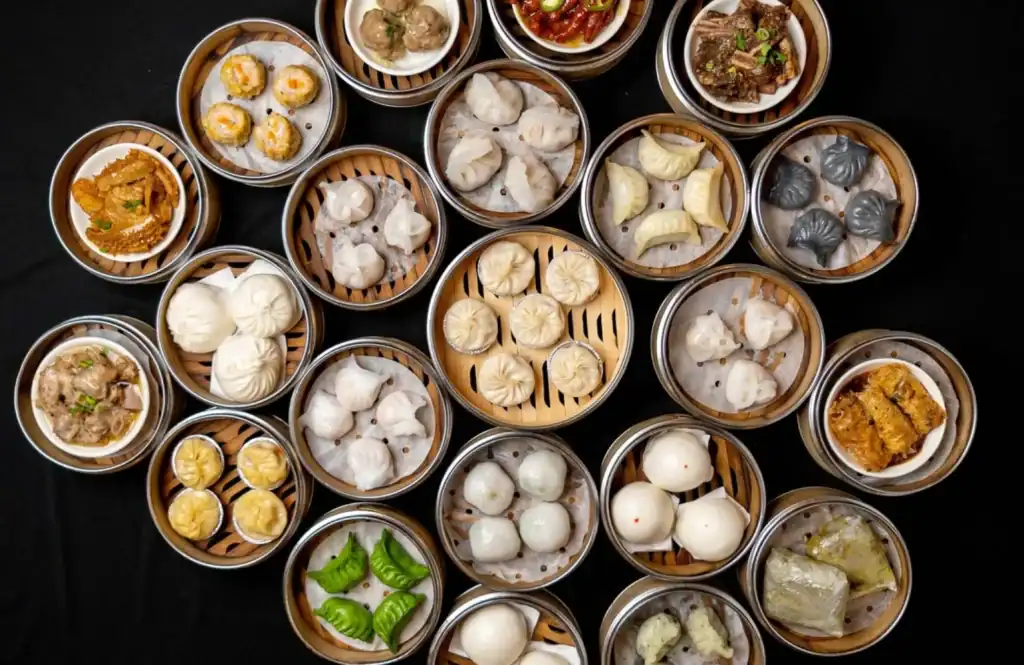
Every corner of China brings its own twist to this beloved culinary tradition. Think about the delicious steamed buns from the south, bursting with juicy fillings, or the delightful dumplings that vary in shape and flavor depending on where you are.
Take Shanghai, for instance, where the locals rave about Xiaolongbao—savory soup-filled dumplings that delight the senses with every bite.
Pairing these treats with traditional tea ceremonies enriches the experience, creating a delightful combination of taste and culture. Each region flaunts its own customs, transforming a simple meal into a celebration of history and family, inviting you to savor the rich flavors of steamed buns, dumplings, tea ceremonies, Cantonese cuisine, and Xiaolongbao.
| Region/Province | Customs & Traditions | Typical Dim Sum Dishes | Serving Style | Notes |
|---|---|---|---|---|
| Guangdong (Canton) | Dim sum is a daily tradition, especially with yum cha (drinking tea) in the morning. | Har Gow, Siu Mai, Char Siu Bao, Phoenix Claws, Turnip Cake | Push carts or à la carte; served with tea | Considered the origin of modern dim sum culture |
| Hong Kong (SAR) | Dim sum is both family and social; eaten during brunch or lunch in tea houses. | Egg Tarts, Rice Noodle Rolls (Cheung Fun), Baked BBQ Pork Buns | Often modernized with fusion twists | Famous for innovative and upscale dim sum offerings |
| Fujian | Focus on light and delicate seafood dim sum; often served with soup or broths. | Fish ball dumplings, seafood shumai, rice dumplings in soup | Small steamer baskets or bowls | Slightly sweeter and lighter than Cantonese versions |
| Shanghai (Jiangsu) | Popular in breakfast culture, with sweet and savory buns and soup-filled dumplings. | Sheng Jian Bao, Xiao Long Bao, Red Bean Buns | Typically eaten at street stalls | Dough tends to be thicker; fillings sweeter |
| Zhejiang | Dim sum items often include freshwater seafood and vegetables, elegant presentation. | Crab Roe Xiao Long Bao, Bamboo Shoot Dumplings | Smaller servings, refined styles | Influenced by Hangzhou’s elegant Huaiyang cuisine |
| Sichuan | Known for spicy dim sum snacks and bold flavors, usually eaten in the afternoon. | Spicy Wontons, Dan Dan Dumplings, Chengdu-style Baozi | Often served with spicy oil dips | High heat, numbing flavors from Sichuan peppercorns |
| Yunnan | Unique use of wild mushrooms, ham, and cheese in dumplings and buns. | Ham-filled Baozi, Mushroom Dumplings | Rustic and earthy style | Yunnan cheese sometimes used in steamed buns |
| Beijing (Northern China) | Dim sum is less common; instead, wheat-based snacks are served for breakfast. | Jian Bing, Baozi, Pan-fried Dumplings (Guo Tie) | Street food or small shops | Dumplings and buns are heavier and more filling |
| Hunan | Similar to Sichuan, Hunan dim sum is spicy, sour, and rich in fermented flavors. | Spicy Rice Rolls, Pickled Vegetable Buns | Often steamed in banana or bamboo leaves | Known for pickled ingredients in fillings |
| Taiwan | Dim sum culture is a mix of Cantonese, Fujian, and Japanese influences. | Pork Buns, Shrimp Dumplings, Radish Cakes, Dessert Dumplings | Modern teahouses and night markets | Known for colorful presentation and dessert-style dim sum |
| Macau (SAR) | Fusion of Cantonese and Portuguese traditions; afternoon tea-style dim sum popular. | Portuguese Egg Tarts, Minchi-stuffed buns, Coconut Milk Pudding | Café-style or traditional teahouses | Sweet dim sum and pastries are common |
Exploring Cantonese Cuisine And Dim Sum
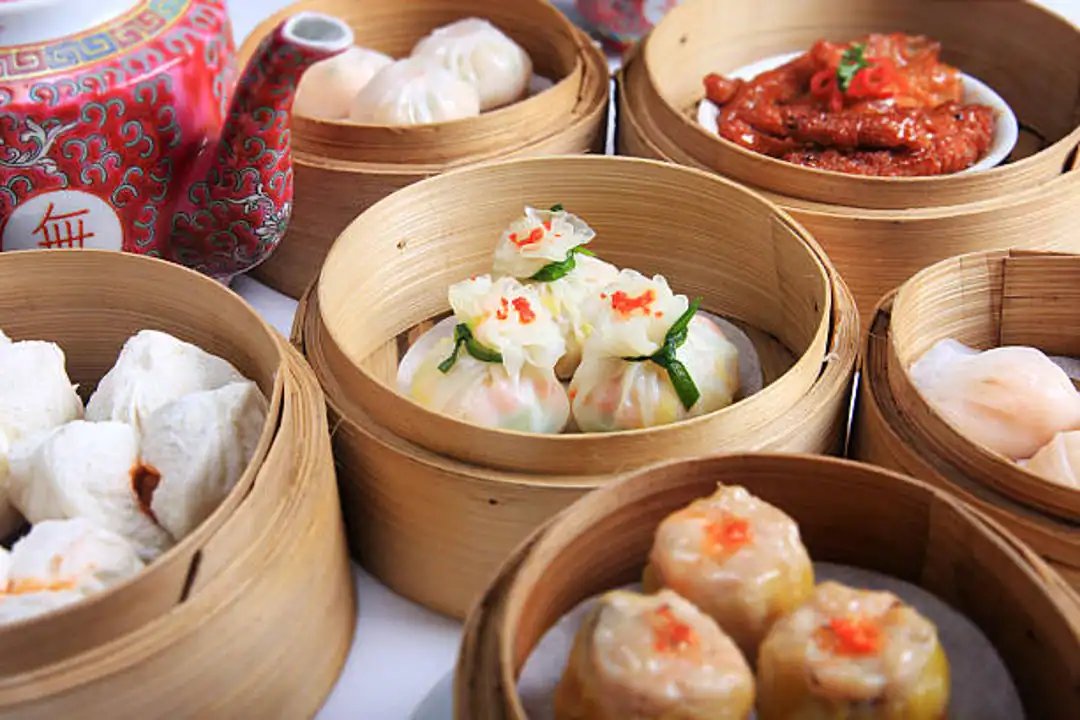
Cantonese flavors bring a certain magic to the table that’s hard to resist. With its emphasis on fresh ingredients, it paints a vivid picture of culinary delights, and at the center of this delicious display is dim sum.
These bite-sized treasures, whether it’s a mouthwatering har gow or a savory siu mai, invite us to gather and share.
For many, enjoying these regional specialties around a table isn’t just about eating; it’s a cherished ritual, a way to connect with family and friends.
Each dish carries its own story, offering a taste of culture and love wrapped in dumpling skins. So, are you ready to dive into the delightful world of small dishes? Let’s discover together how dim sum traditions vary across provinces, revealing unique customs that enrich this amazing experience with har gow, siu mai, Shaanxi snacks, Sichuan flavors, and regional specialties.
What Are Signature Dumplings In Sichuan?
If you’re on the lookout for a culinary adventure, you’ve got to dive into the world of Sichuan dumplings! These delightful bitesized treats are known for their bold flavors and vibrant spices, making them a true feast for your taste buds.
What sets these dumplings apart is the unique combination of ingredients that make up their fillings and sauces, often reflecting the rich culinary traditions of the region.
Take Chao Shou, for instance.
This popular variety usually features a mix of pork, shrimp, or fresh vegetables wrapped snugly in a delightful dough, showcasing how diverse and delicious street food can be.
Unlike dumplings from other regions, these little bites are known for their spicy kick, which makes them an absolute must-try when served in bamboo steamers at festivals and enjoyed as flavorful street food.
Understanding Tea Ceremonies With Dim Sum
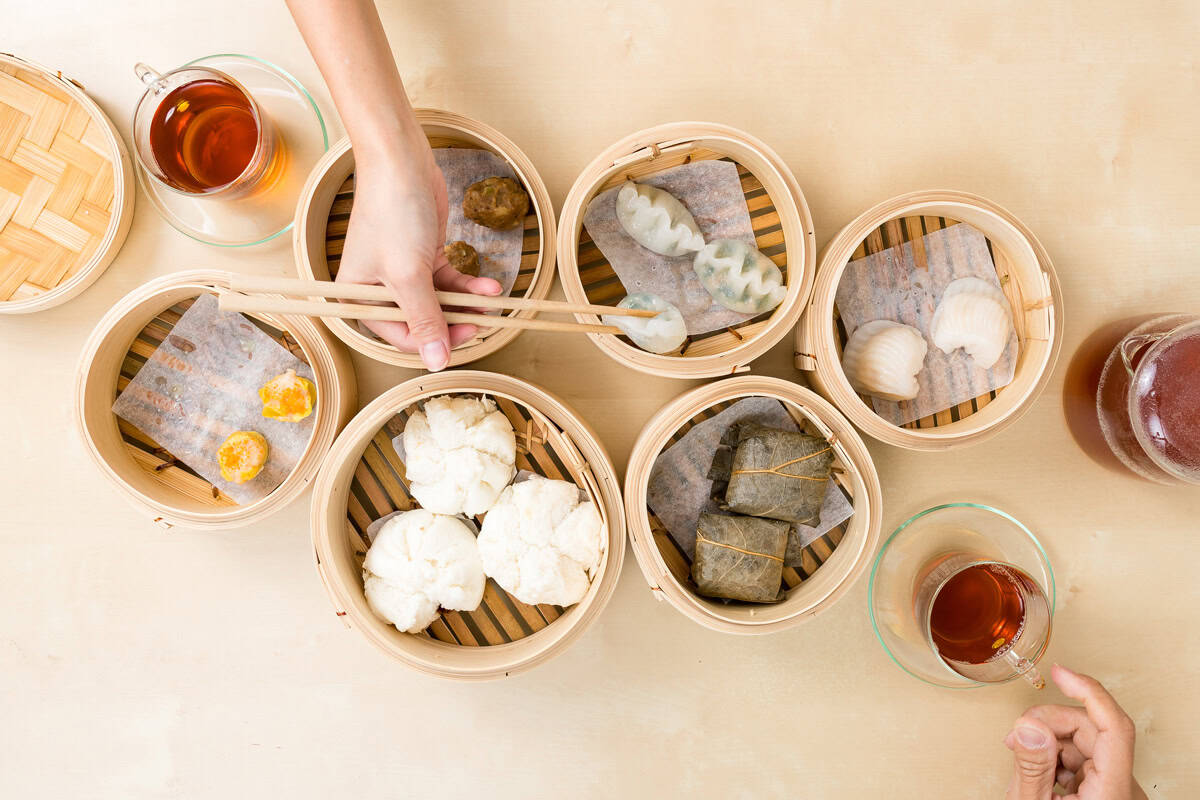
Tea and dim sum come together to create a truly memorable experience. This age-old practice is all about showing appreciation and warmth, making each gathering feel special.
Picture yourself in bustling Hong Kong, surrounded by a spread of savory pastries and a steaming pot of fragrant tea.
Each sip enhances the flavor of those delicious bites, creating perfect food pairings.
For instance, lighter teas, such as green or oolong, complement the delicate nature of steamed buns beautifully, while bold black teas stand up well to spicy sauces, elevating your tasting experience. Hosting this culinary adventure is easy; invite some friends, brew high-quality tea, and enjoy every morsel together
Discovering Regional Specialties Of Shaanxi
If you’re looking for a culinary journey, few places can compete with the delightful offerings from this vibrant province. Renowned for its hearty dishes, it presents a unique twist on familiar favorites.
Have you ever tried baozi? These steamed buns are stuffed with various fillings, showcasing the region’s love for bold tastes.
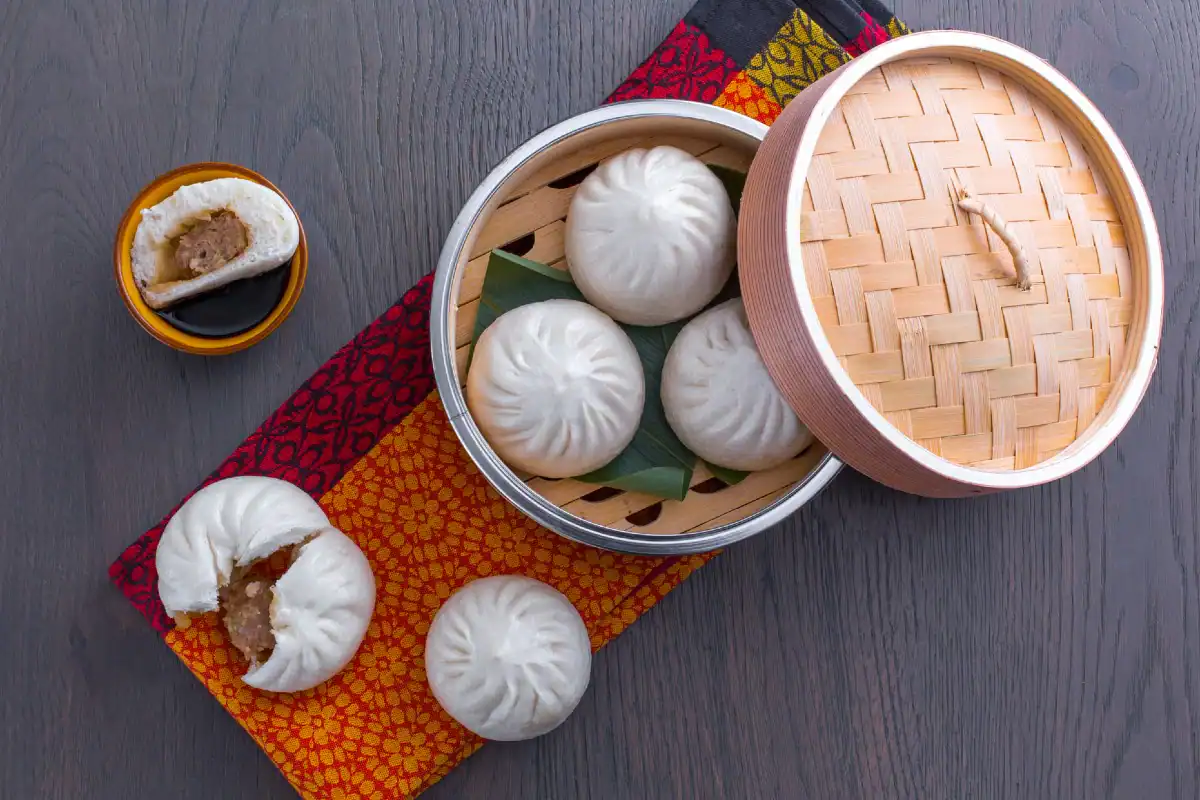
The food culture here is rich, reflecting its cultural heritage and the stories of its people.
From the famous biangbiang noodles to the irresistible roujiamo, each dish tells a story. Don’t overlook the local snacks, including savory wontons and sweet desserts, that pack a punch, making this area a must-visit for food lovers eager to explore the diverse flavors.
As you continue your exploration, you might find the art of dim sum encompasses a delightful array of wontons, sweet desserts, potstickers, and baozi, reflecting the rich cultural heritage of this culinary tradition.
Culinary Offerings
- Baozi are popular steamed buns filled with various ingredients, showcasing the region’s culinary creativity.
- Biangbiang noodles are known for their unique texture and flavor, making them a regional specialty.
- Roujiamo, often referred to as Chinese hamburgers, is a beloved street food that highlights local flavors.
- The art of dim sum includes a variety of dishes, such as wontons and potstickers, reflecting the area’s rich food culture.
The Art Of Steamed Buns Presentation
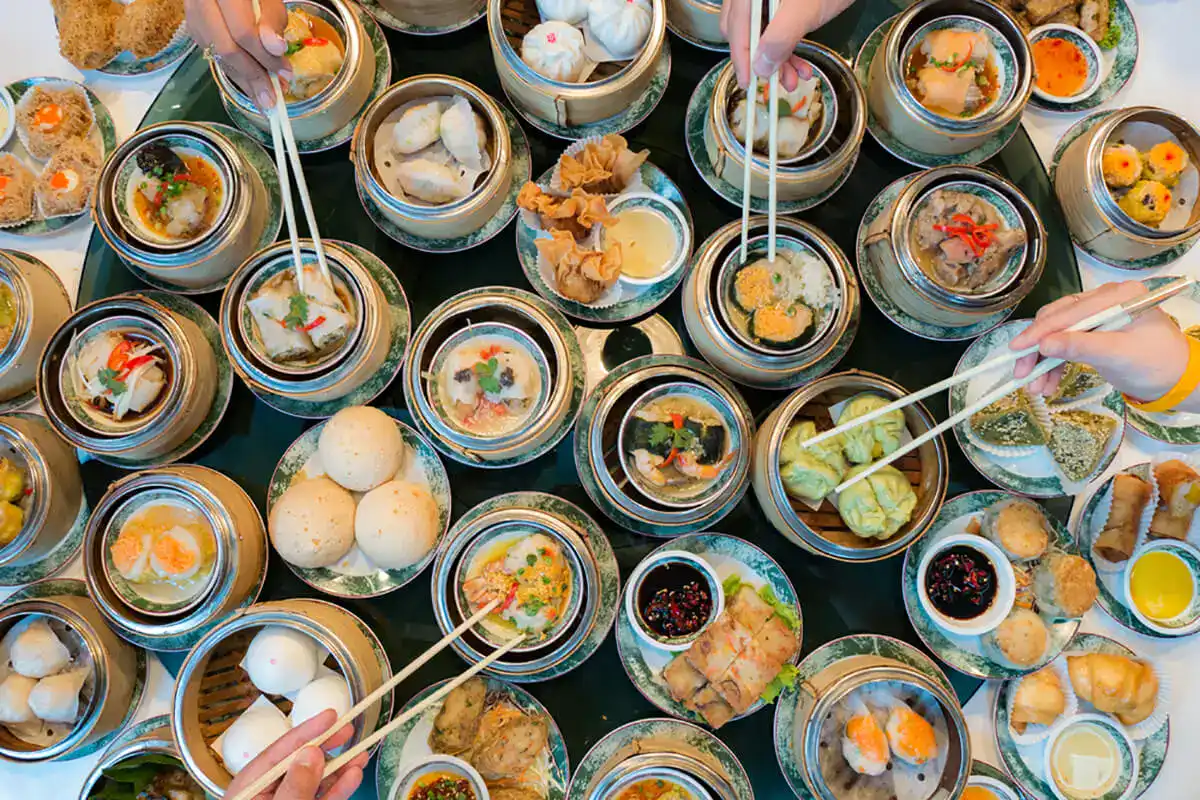
When it comes to showcasing delightful steamed buns, food presentation plays a starring role. A beautifully arranged bun not only enhances the meal experience but also invites your guests to dive in and savor every bite.
Selecting the right dish is critical—think about colors and shapes to craft a visual feast.
Little touches like garnishing can elevate your buns from ordinary to extraordinary, turning them into not just a tasty treat but also a showcase of your culinary techniques.
Throughout different regions, you’ll encounter unique twists on serving these delightful bites.
Such local customs reflect the creativity and passion infused into each dish. Sharing plates can add an interactive element to your dining experience, making every meal feel like a festive celebration of meal etiquette, food presentation, and diverse flavor profiles crafted through various culinary techniques.
How To Pair Flavors With Dim Sum?
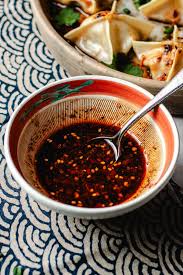
Elevating your dim sum experience is all about discovering the delightful flavor companions that can really bring each bite to life. Flavor Profiles to Explore: Start with a balance of sweet, sour, salty, and umami notes.
For example, fluffy char siu bao tastes fantastic with a drizzle of sweet chili sauce.
Think of common dim sum ingredients like shrimp, pork, and bamboo shoots; they each have their unique flavor friends waiting to mingle.
Regional Influences on Pairing: Every region in China adds its own twist to the mix. Cantonese dim sum often shines a spotlight on fresh, seasonal ingredients, while Sichuan’s bold spices can turn up the heat and pack a flavorful punch. Don’t be shy when it comes to experimenting with seasonal ingredients and traditional recipes during family gatherings to create unforgettable food experiences.
- Dim sum flavors can be enhanced by pairing with sauces like sweet chili sauce for added sweetness.
- Common dim sum ingredients such as shrimp, pork, and bamboo shoots have distinct flavor pairings that complement their taste.
- Cantonese dim sum emphasizes the use of fresh, seasonal ingredients to enhance flavor.
- Sichuan cuisine is known for its bold spices, which can intensify the flavor profile of dim sum dishes.
Cultural Heritage Reflected In Dim Sum
Every delicious bite offers a glimpse into a rich tapestry of traditions and flavors. Originating from Guangdong province, this beloved cuisine highlights the significance of community and family bonds.
Each dish is like a chapter in a larger story, showcasing regional variations that reflect unique culinary history.
For instance, those enticing rice cakes from Shanghai are more than just a treat; they celebrate the area’s heritage with their delightful texture and taste.
Sharing plates during a meal turns dining into an engaging experience, transforming each gathering into a celebration of connection. What memories do you associate with your favorite dishes, perhaps those savory dumplings or zesty dipping sauces, and how do they reflect the regional variations and culinary history that shape our dining customs?.
Family Gatherings And Sharing Plates Traditions
Picture a cozy room where laughter dances along with the delightful scents wafting from the kitchen. Gathering with family is about so much more than just enjoying a meal; it’s an opportunity to bond over delicious small plates.
These delightful culinary creations often celebrate local ingredients, showcasing vibrant flavors that spark conversation and connection.
As dishes are passed around, cherished stories come to life, weaving a tapestry of shared experiences.
This ritual cultivates not only togetherness but also makes every festive occasion memorable. Whether it’s a festive feast or a simple weekend snack culture, sharing food elevates each moment into something truly special
| Aspect of Gathering | Benefits |
|---|---|
| Small Plates | Encourages sharing and conversation |
| Local Ingredients | Showcases vibrant flavors and supports local producers |
| Storytelling | Weaves a tapestry of shared experiences |
| Festive Occasions | Makes gatherings memorable and special |
Conclusion
Gathering around a table filled with delicious dim sum is more than just a meal; it’s an experience rich in tradition and flavor. Each dish represents the essence of communal dining, inviting laughter and stories to flow alongside those delectable bites.
As you wander through vibrant food markets or attend lively food festivals, the excitement of sharing gourmet offerings with loved ones adds a special touch to the occasion.
Picture the atmosphere as friends and family dive into the array of flavors, each dumpling revealing a story of its own.
These gatherings create cherished memories, echoing long after the last piece has been savored. Every meal becomes a tapestry woven with love, culture, and delightful conversations, reminding us of the importance of coming together over great food.
🫖 Fun Fact:
“Yum cha” (饮茶) literally means “drink tea,” but in Cantonese culture, it also refers to going out for dim sum. Tea is central to the experience — and the type of tea chosen (pu-erh, jasmine, chrysanthemum) is an important part of the meal.


