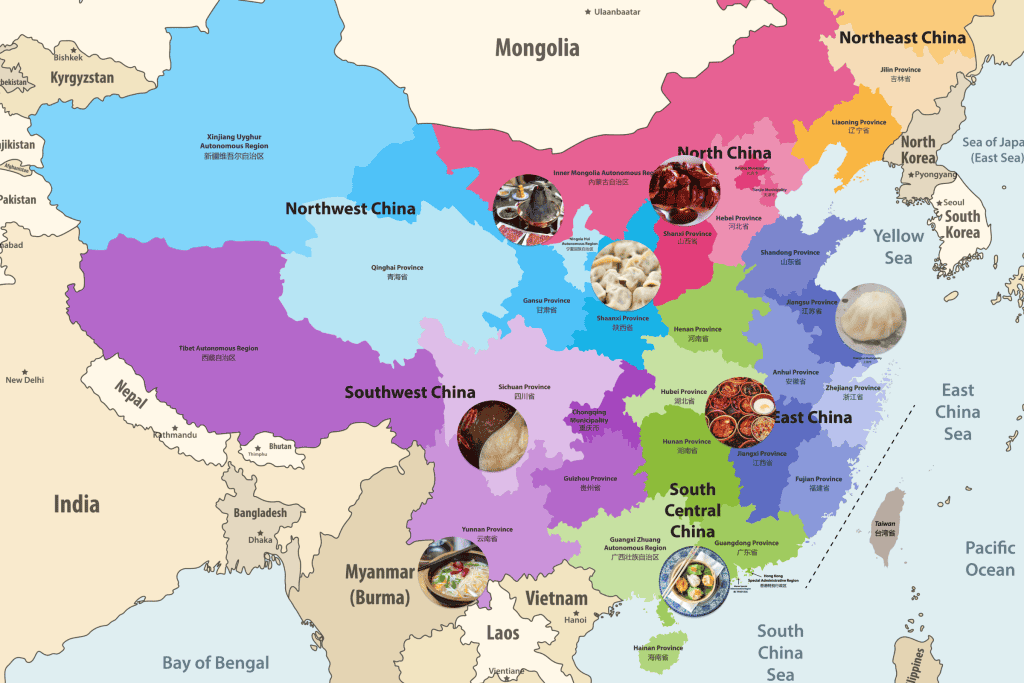
Dim sum offers a delightful glimpse into China’s diverse culinary landscape, where each region proudly presents its own unique twist. For instance, Cantonese cuisine steals the spotlight with its tempting dumplings like har gow and shao mai, crafted with care and packed with flavors.
If you wander further inland, you’ll find Sichuan dishes bursting with spice that elevate the traditional experience to a whole new level.
And let’s not overlook Shanghai, where baozi are filled with creative ingredients, reflecting the city’s vibrant culinary scene. These regional specialties not only showcase various cooking techniques but also spotlight local ingredients and traditions that contribute to the rich tapestry of cuisine, including beloved dishes like dumplings, baozi, har gow, and shao mai.
| Region | Flavor Profile | Key Ingredients | Popular Dim Sum Dishes | Cooking Methods | Distinctive Features & Notes |
|---|---|---|---|---|---|
| Cantonese (Guangzhou/Hong Kong) | Mild, savory, slightly sweet | Pork, shrimp, rice flour, wheat flour | Har gow, siu mai, char siu bao, cheung fun, egg tarts | Steaming, frying, baking, pan-frying | Most internationally known; wide variety, delicate flavors, tea house culture |
| Teochew (Chaozhou, Eastern Guangdong) | Light, fresh, savory, sometimes sour or pickled | Seafood, preserved vegetables, peanuts | Fun gor (rice dumplings), marinated duck, taro buns | Steaming, braising, pickling | Emphasis on fresh seafood & pickled flavors; simpler, rustic presentation |
| Shanghai (Jiangnan region) | Slightly sweet, rich, umami | Pork, crab, bamboo shoots, soy sauce | Xiaolongbao (soup dumplings), scallion pancakes, hairy crab buns | Steaming, pan-frying | Famous for soup-filled dumplings; delicate thin skins with juicy filling |
| Sichuan | Spicy, bold, numbing (mala) | Chili, Sichuan peppercorn, pork, beef | Spicy wontons, mala dumplings | Boiling, steaming | Less traditional “dim sum,” more spicy small dishes for snacks or street food |
| Shanghai (Jiangsu) | Sweet and savory, refined | Crab roe, pork, bamboo shoots | Crab roe dumplings, savory sticky rice buns | Steaming, frying | Sweet-savory flavor balance; use of crab roe and river delicacies |
| Fujian (Min Nan) | Light, seafood-forward, slightly sweet | Fish, shrimp, pork, taro, yam | Fish balls, oyster omelet, spring rolls | Steaming, frying | Heavy use of seafood and yam; dim sum often mixed with street snacks |
| Hunan | Spicy, robust, smoky | Chili, pork, preserved vegetables | Spicy steamed buns, chili pork dumplings | Steaming, frying | Less common dim sum culture but spicy buns and dumplings are popular |
| Beijing (Northern China) | Hearty, savory, sometimes salty | Wheat flour, lamb, beef, scallions | Stuffed buns (baozi), jiaozi, sesame balls | Steaming, boiling, baking | Thicker doughs; dumplings often with lamb or beef, hearty fillings |
Cantonese Dim Sum Culinary Traditions

Imagine stepping into a vibrant space where the air is filled with the enticing aroma of fresh ingredients. This experience perfectly captures the essence of the culinary scene that celebrates community and flavors.
Traditional venues are alive with laughter and chatter, where families gather around tables laden with small plates to share.
The atmosphere is one of warmth, as diners sip fragrant tea and delight in the variety of dim sum types offered.
Each dish tells a story, with its unique blend of sweetness and umami. For instance, xiao long bao, known for its juicy filling wrapped in a delicate skin, is a true masterpiece.
It’s all about savoring these moments together, with each bite revealing the artistry behind the dishes that make this cuisine cherished. This joyful experience is deepened when we explore the distinct regional interpretations across China, leading us next to the tantalizing varieties of xiao long bao, from the rich flavors of Sichuan to the delicate craftsmanship found in Shanghai and the delightful dim sum types of Cantonese cuisine.
What Makes Shanghai Dumplings Unique?

When it comes to exploring delightful bites, few things can compare to these little culinary wonders. Shanghai dumplings offer a delightful twist on the classic dim sum experience.
Their delicate wrappers are thinner yet surprisingly sturdy, creating the perfect bite.
This unique texture ensures that you can enjoy the delicious filling without worrying about a mess.
The juicy filling is another standout quality. Each dumpling bursts with a flavor explosion thanks to the pork and savory broth tucked inside.
This soup aspect truly sets them apart from other regional flavors, providing a comforting sensation. Whether you’re savoring them at a bustling tea house or steaming them in a bamboo steamer, Shanghai dumplings are a must-try! These small plates showcase the rich regional flavors and culinary traditions that define this vibrant city.
| Feature | Description |
|---|---|
| Delicate Wrappers | Thinner yet surprisingly sturdy, allowing for a perfect bite. |
| Juicy Filling | Flavor explosion from pork and savory broth inside each dumpling. |
| Unique Texture | Ensures enjoyment of the filling without a mess. |
| Culinary Tradition | Showcases rich regional flavors of Shanghai. |
Exploring Sichuan Spicy Dim Sum

Embarking on a flavor journey through the heart of Sichuan cuisine is like stepping into a vibrant street food market, where every bite tells a story. Bold and fiery, the dishes dance on your palate, offering a delightful blend of spices that ignite your senses.
Each item showcases the food culture of the region, from rich textures to unexpected tastes, making the experience anything but ordinary.
For a taste of authenticity, indulge in spicy wontons that burst with flavor or savor chili oil dumplings crafted for those who crave a little heat.
These savory pastries reflect the influence of street food, inviting you to share them with friends and family, turning a simple meal into a memorable gathering. As you explore these dishes, it’s clear that every bite reflects the vibrant street food culture, from the delicate rice rolls to the rich savory pastries featured on tasting menus.
Traditional Tea Houses And Dim Sum
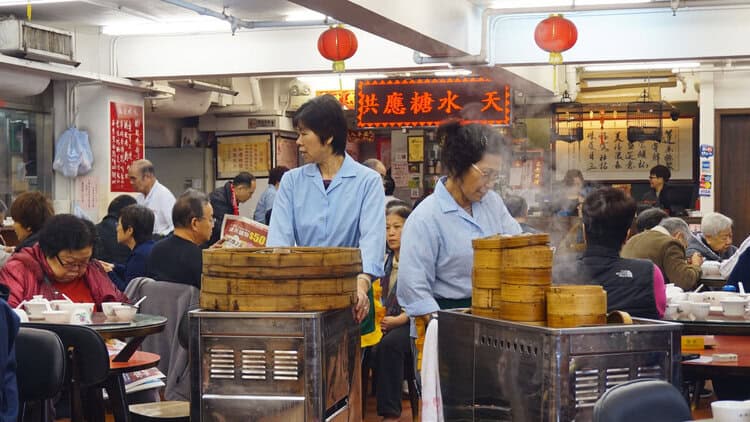
A delightful spot where cozy corners beckon you to sit back and enjoy the calm ambiance. The scent of freshly brewed tea mingles with the tantalizing aroma of sweet treats floating through the air.
Have you ever wandered into one of these charming establishments? The atmosphere really enhances the experience.
Dim sum offers more than just flavors; it’s an exciting journey for your taste buds, especially when enjoyed with a warm cup of tea.
Fun fact: dim sum originally started as a light snack for tea drinkers! You can savor a variety of dishes here, from savory pork buns to glutinous rice dumplings, each bite bursting with flavors that harmonize beautifully with your favorite brew.
As we explore the nuances of Sichuan, we discover a vibrant tapestry of flavors highlighted by sweet treats, glutinous rice, pork buns, seafood, and spicy dim sum.
Dim Sum
- Dim sum originated as a light snack for tea drinkers in China.
- It includes a variety of dishes such as savory pork buns and glutinous rice dumplings.
- Dim sum is often enjoyed with tea, enhancing the overall dining experience.
- The combination of flavors in dim sum creates a unique culinary journey for the taste buds.
The Art Of Bamboo Steamer Presentation
Creating a visually appealing dining experience can truly transform any meal into something extraordinary. When serving dim sum, the use of eye-catching bamboo steamers adds a unique flair, enhancing the overall banquet style of your table.
Arranging those delicate morsels inside the steamer not only showcases your culinary skills but also offers an easy way for guests to dive into their favorites.
This thoughtful presentation is a wonderful chance to share your heritage and the delightful stories woven into each dish.
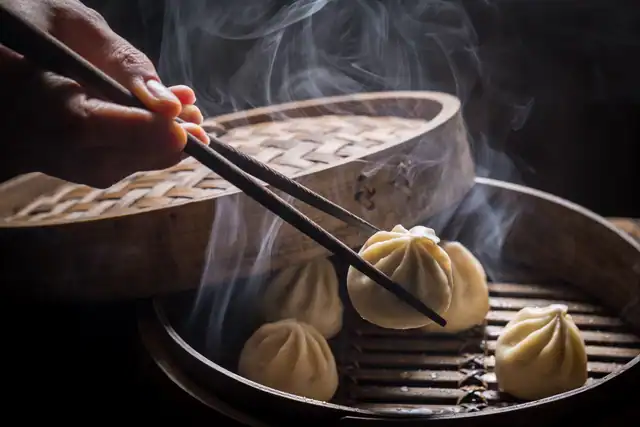
Don’t forget to include traditional elements like chopsticks and small dipping dishes to elevate the experience.
Fresh herbs or colorful garnishes can add a burst of vibrancy, making your setup even more inviting. Engaging your guests in conversation about the food pairing can turn a simple meal into a delightful exploration of fusion cuisine, heritage, and eating customs, especially in a banquet style setting.
Regional Flavors In Dim Sum Variations
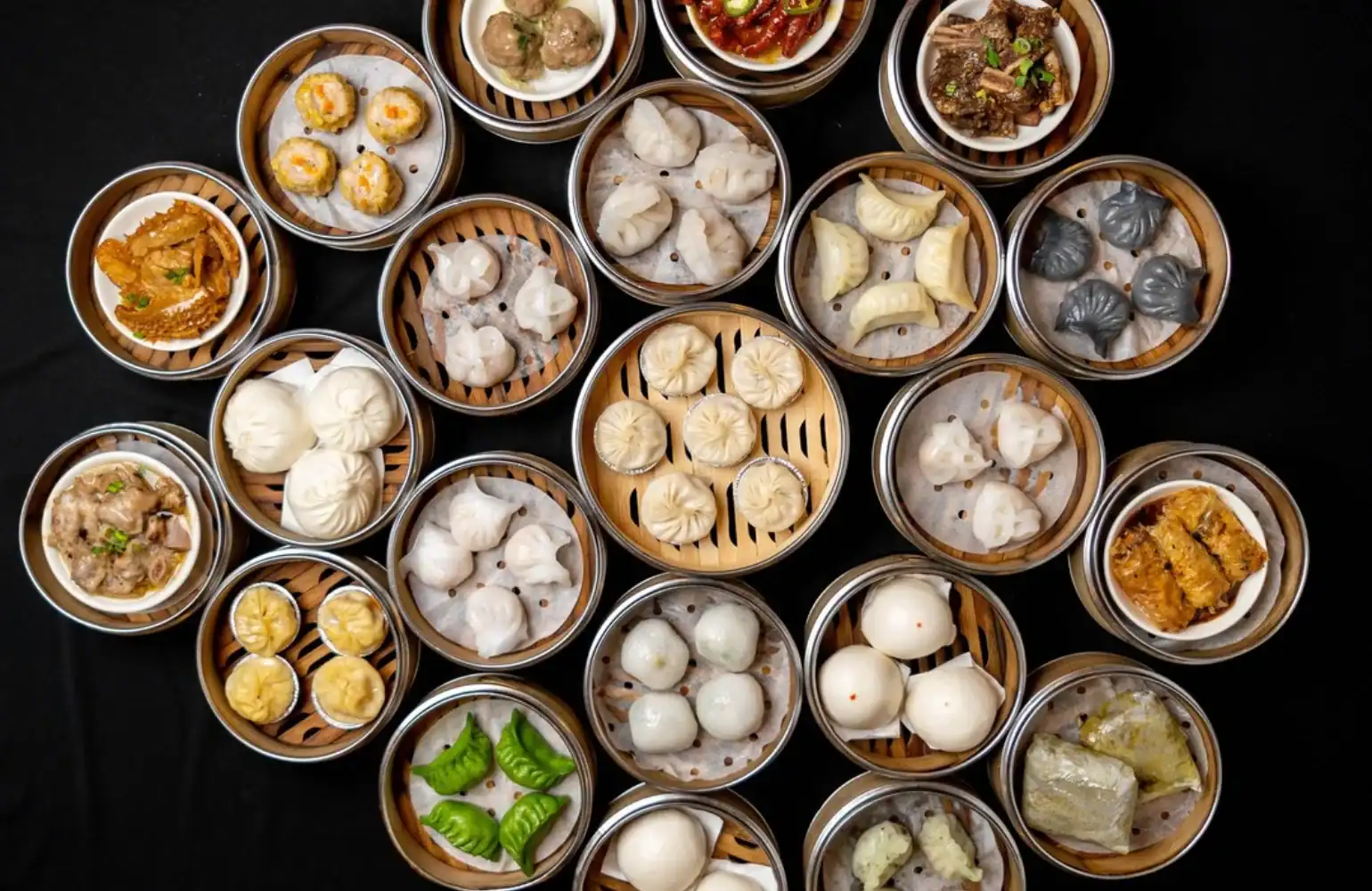
When it comes to exploring the diverse world of dim sum, every bitesized creation offers a glimpse into its origin and the unique culinary traditions behind it. Picture yourself indulging in the delicate steamed dishes that Cantonese chefs masterfully prepare, like siu mai and har gow, which showcase sweet and subtle flavors designed to melt in your mouth.
But then, there’s the exciting contrast of Sichuan offerings that are packed with spicy flavor profiles, featuring dishes like wontons drenched in vibrant, zesty sauces that kick your taste buds into high gear.
It’s like embarking on a culinary adventure with each morsel!
Another highlight that keeps food lovers buzzing is Shanghai’s famous xiaolongbao, or soup dumplings. These little treasures, bursting with bitesized, steamed dishes, fried snacks, diverse flavor profiles, and savory dipping sauces.
| Dim Sum Type | Description |
|---|---|
| Steamed Dishes | Cantonese creations like siu mai and har gow, known for their sweet and subtle flavors. |
| Sichuan Offerings | Spicy dishes such as wontons in zesty sauces that excite the palate. |
| Xiaolongbao | Shanghai’s famous soup dumplings, known for their burst of flavor and savory filling. |
Handmade Dumplings: Techniques And Tips
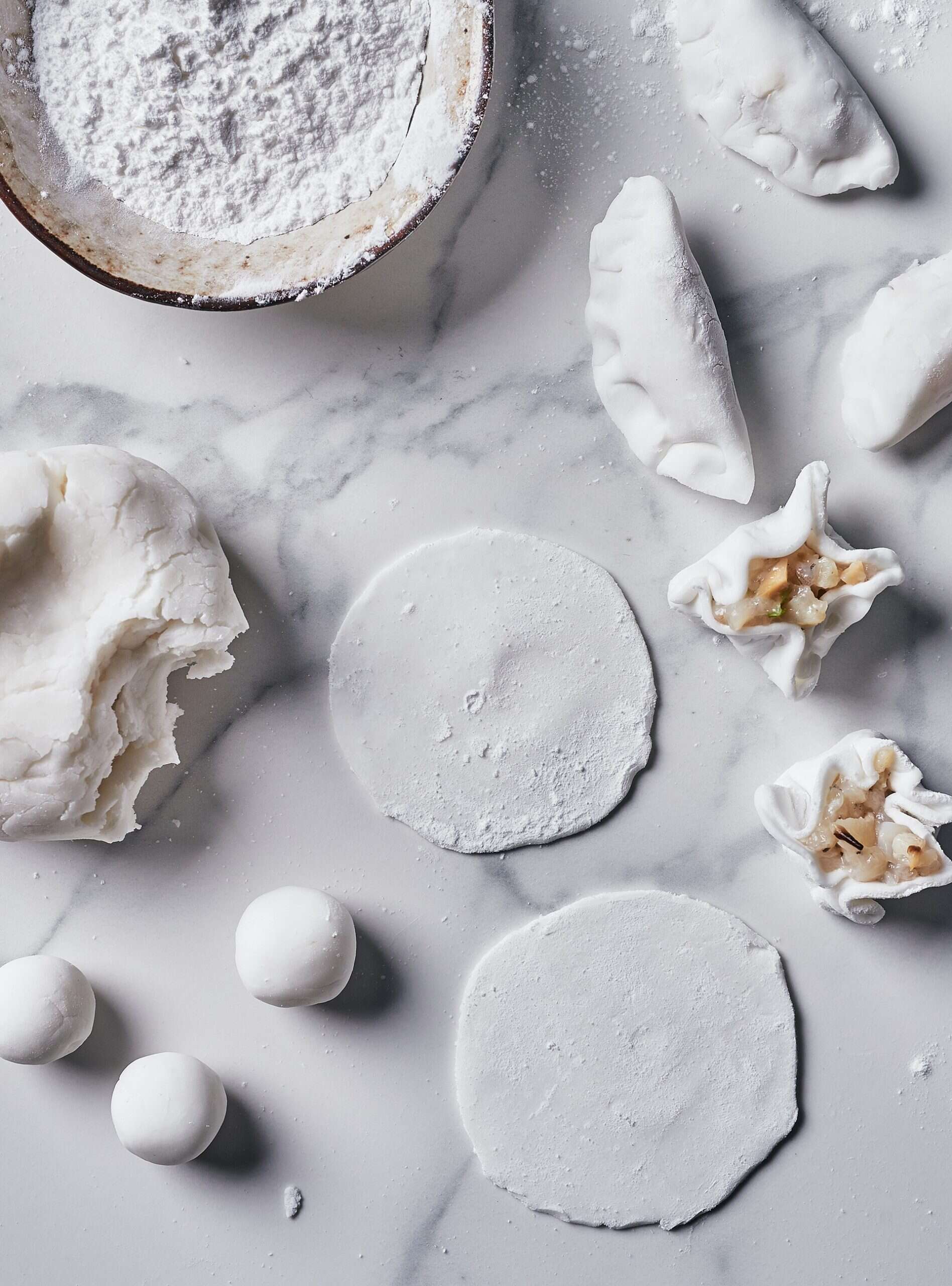
Crafting delicious parcels filled with goodness can truly elevate your culinary experience. Start off by preparing your dough – it’s all about achieving the perfect blend of flour and water.
Knead it until it’s smooth and elastic; this step lays the groundwork for those delightful bites.
Next up is the filling! Embrace the joy of using seasonal ingredients, whether you prefer savory meats or vibrant veggies.
Don’t shy away from seasoning them generously to ensure a burst of flavor with every bite.
Now let’s chat about the folding process.
Feel free to explore your own style; there are plenty of techniques out there. Pick one that feels comfortable and practice until you perfect it. Keep that enthusiasm up, and before you know it, you’ll be creating local specialties that impress through stunning presentation, seasonal ingredients, and traditional recipes, making every meal a delightful taste exploration! Happy cooking!.
How To Pair Dim Sum With Dipping Sauces

Choosing the perfect sauces can truly transform your experience with those delicious little bites. Each option brings its own unique flavor profile, elevating your favorite handmade dumplings to new heights.
For example, soy sauce provides a salty depth that complements steamed dishes exquisitely.
Chili oil delivers a spicy kick, perfect for those who enjoy a fiery touch during their communal dining escapades. How about dipping a pork bun into sweet and sour sauce for a delightful contrast?
Mixing and matching is a fantastic way to explore your snack culture while enjoying these culinary treasures, especially when shared in communal dining settings that celebrate family-style meals and the vibrant taste of urban cuisine alongside handmade dumplings.
| Sauce Type | Flavor Profile | Best Pairing |
|---|---|---|
| Soy Sauce | Salty depth | Steamed dumplings |
| Chili Oil | Spicy kick | Handmade dumplings |
| Sweet and Sour Sauce | Delightful contrast | Pork buns |
Conclusion

Wrapping up our flavorful journey, it’s evident that these small dishes bring more than just a mouth-watering experience. They showcase the culinary diversity found within various regions, transforming each meal into a delightful adventure.
Every dumpling and bun carries a unique story, shaped by local markets and the vibrant traditions that birthed them.
Exploring these adaptations allows you to delve into a realm of gourmet offerings that tantalize your taste buds.
Whether you’re enjoying them at a lively restaurant or experimenting with recipes in your kitchen, embracing the full experience makes all the difference. Cheers to your next tasting journey through the culinary diversity found in local markets and gourmet offerings, embracing the adaptations of food tourism!.


