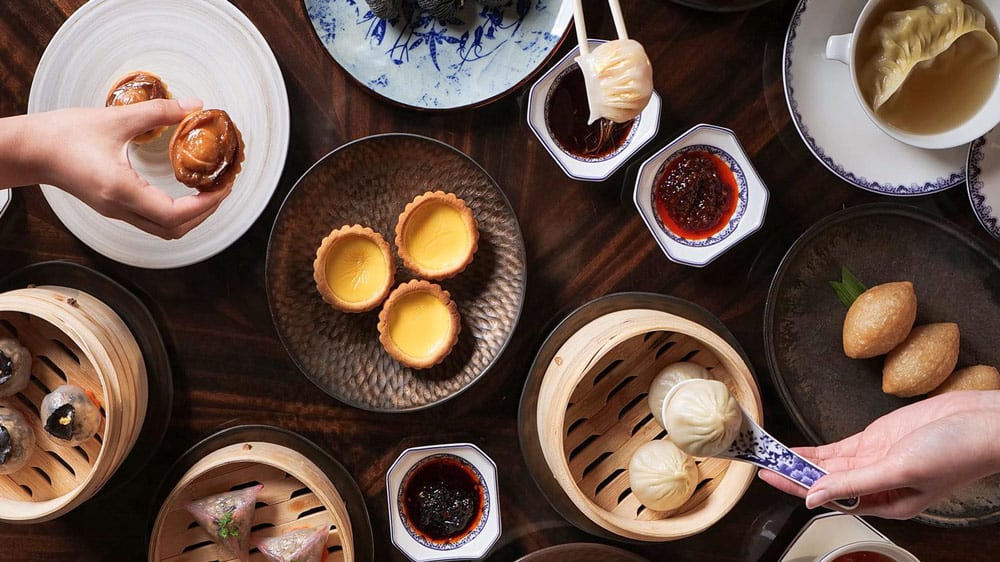
Get ready to indulge your taste buds in a thrilling culinary journey through Indonesia! The array of snacks and bites you will find here is nothing short of amazing. Take a moment to enjoy soft steamed buns, vibrant dumplings, and everything in between.
Each region adds its own flair, making this experience diverse and exciting.
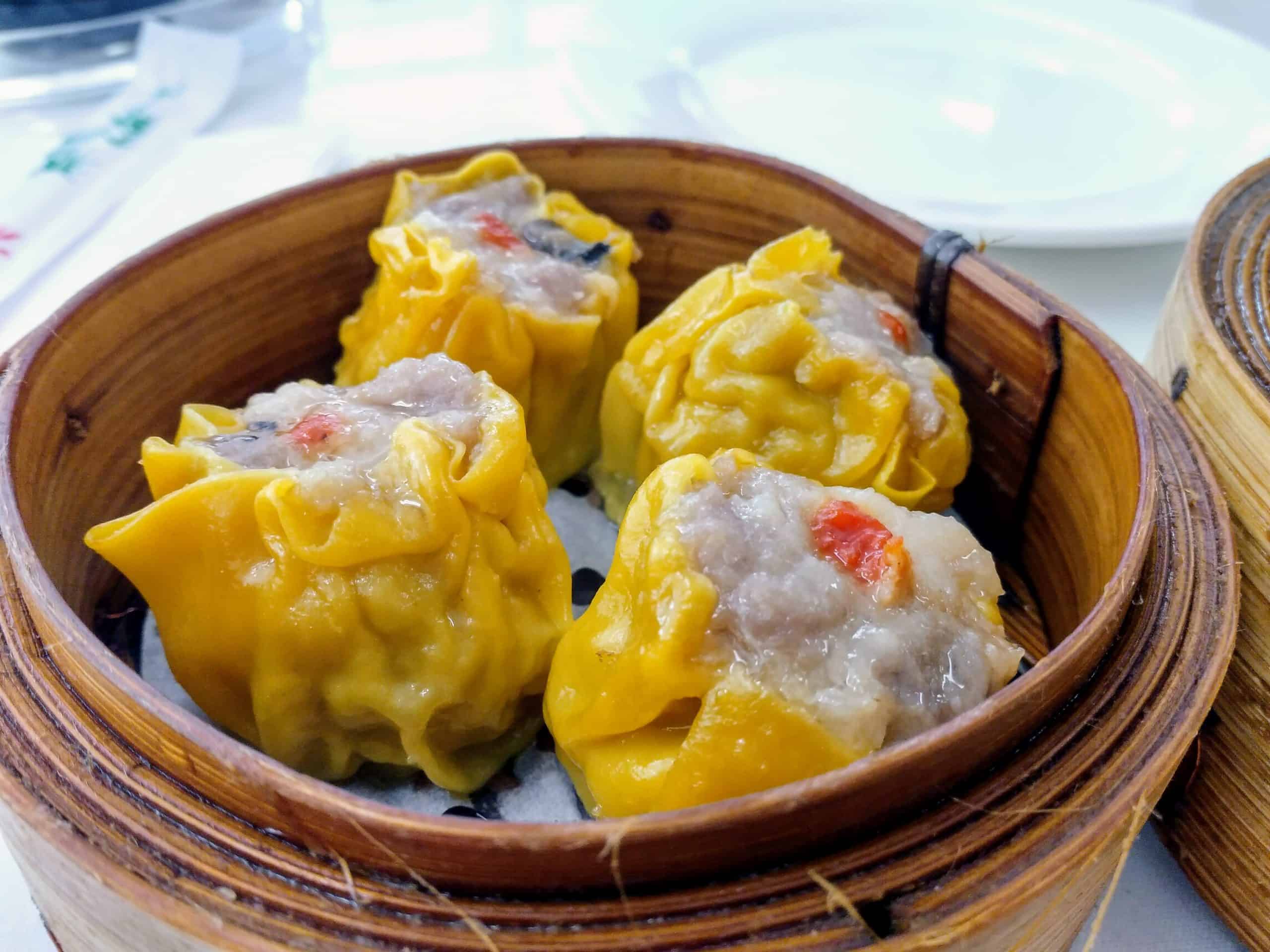
A local favorite, siomay, combines fresh ingredients with spices that dance on the palate.
You’ll notice how different cooking techniques and unique ingredients set apart each area’s specialties.
So whether you’re just starting to explore or you’re already a dim sum aficionado, there’s a world of flavor waiting for you to uncover.
🥟 Dim Sum in Indonesia – Regional Variations
| Region / City | Unique Features / Local Twist | Popular Dishes / Dim Sum Variants | Influences |
|---|---|---|---|
| Jakarta | Fusion with Betawi flavors; halal versions are common due to Muslim majority | Chicken siomay, beef bakpao, spicy fried wontons | Chinese-Indonesian, Betawi, Halal adaptation |
| Medan (North Sumatra) | Strong Hokkien influence; pork-based dim sum still widely available | Pork siomay, rice noodle rolls (cheong fun), yam cakes | Hokkien, local Batak flavors |
| Surabaya (East Java) | Sweetened sauces; often spicier than standard dim sum | Fried dim sum with sambal, tofu skin rolls, sweet chili-glazed buns | Chinese-Javanese, spicy East Javanese palate |
| Semarang (Central Java) | More steamed than fried; milder taste overall | Chicken hakau, vegetable dumplings, steamed sponge cakes | Peranakan, Javanese (less spicy) |
| Bandung (West Java) | Known for creative and colorful presentation, plus cheese fusion | Cheese-filled dumplings, siomay with mayo, matcha bao buns | Sundanese-Western fusion |
| Pontianak (West Kalimantan) | Traditional Teochew-style dim sum with rich fillings | Taro puff, pork bao, steamed cakes with fermented bean paste | Teochew, Dayak-Chinese blend |
| Batam & Bintan Islands | Closer to Singapore; very authentic Cantonese-style dim sum | Har gow, char siu bao, chicken feet, dim sum carts like in HK | Singaporean, Cantonese expat communities |
| Manado (North Sulawesi) | Heavily spiced, Christian-majority area allows pork freely | Pork siomay with rica-rica sauce, sweet corn dumplings | Minahasan, spicy chili-laden flavors |
| Palembang (South Sumatra) | Often includes fish-based fillings inspired by pempek | Fish siomay, shrimp dumplings with vinegar sauce | Chinese-Palembang fusion |
| Denpasar (Bali) | International tourist influence, often found in upscale venues | Vegetarian dim sum, seafood rolls, dim sum buffets | Global cuisine + Balinese hospitality |
| Makassar (South Sulawesi) | Uses local herbs and coconut milk in some dim sum variants | Coconut shrimp siomay, banana leaf-wrapped sticky rice | Makassarese, Sulawesi-Indo-Chinese |
🇮🇩 Key Characteristics of Indonesian Dim Sum:
-
Halal adaptations: Especially in Java and Sumatra.
-
Spicy sauces: Sambal, chili oil, or rica-rica commonly served.
-
Local starches: Taro, yam, cassava, and glutinous rice often used.
-
Fusion flavors: Cheese, sweet corn, and coconut milk are creative additions.
-
Pork vs. chicken/seafood variants: Regionally dependent on religious demographics.
Exploring Regional Specialties In Dim Sum
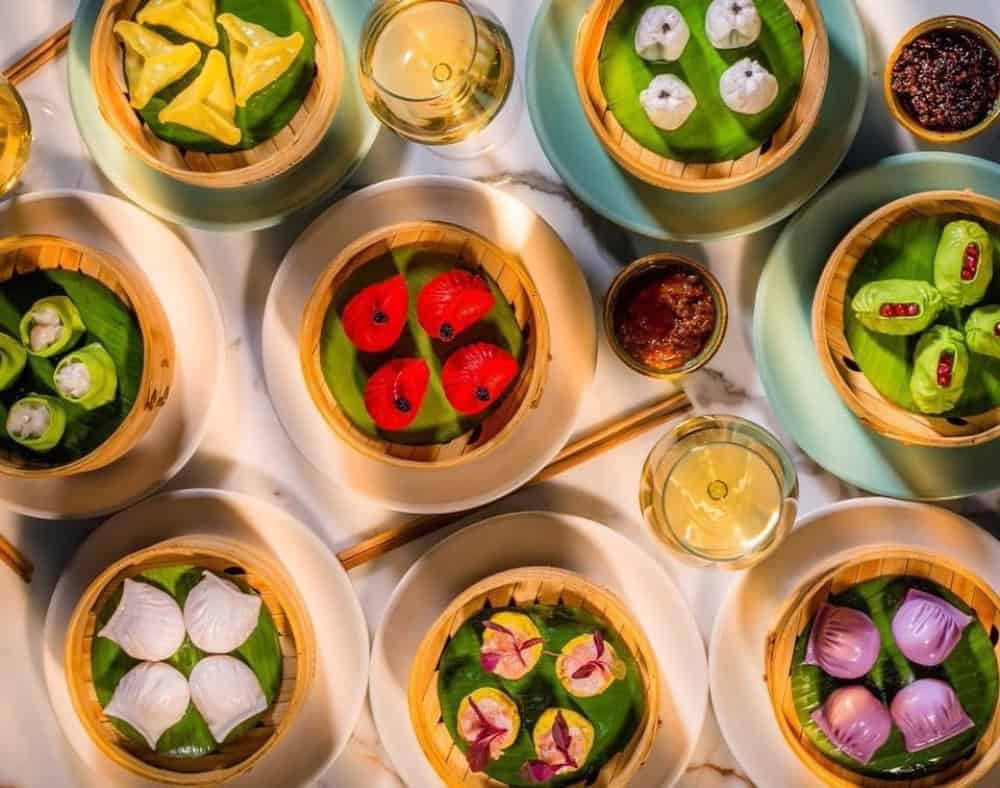
Embarking on a culinary adventure through the flavors of Indonesia is nothing short of delightful. Each delicious creation offers a unique glimpse into the local culture, showcasing how regional variations shine through in these savory dishes.
For example, if you find yourself in Jakarta, the dim sum may surprise you with its fresh seafood twists.
Meanwhile, the streets of Surabaya boast options steeped in robust spices and aromatic herbs.
The magic lies in the local ingredients, which transform these Asian snacks into something extraordinary. Chefs, skilled in their craft, employ various techniques—think bamboo steamers and traditional frying methods—to highlight the essence of each dish.
This journey through flavors naturally leads us to a standout favorite: Siomay.
What Are The Unique Flavors Of Siomay?

There’s something truly delightful about diving into the various tastes that street food has to offer. Picture this: each bite transports you through a rich tapestry of culinary traditions, showcasing regional specialties that vary wonderfully from one place to another.
Common ingredients like fish, shrimp, and vegetables shine, offering a unique take depending on where you are.
In some locations, you might stumble upon a savory blend of shrimp and pork, while others focus on vibrant vegetable combinations.
The flavor profiles? They’re as diverse as the ingredients themselves! You could enjoy them savory with a dash of umami or experience a touch of sweetness that reflects local flavors. And let’s not forget the sauces! A splash of spicy chili sauce or a tangy vinegar dip can elevate the taste, turning each bite into a celebration of regional specialties, food carts, street food, culinary traditions, and local flavors.
The Art Of Preparing Hakau Dumplings

Creating these delightful dumplings at home is a rewarding experience that brings the taste of tradition right to your kitchen. Filled with tender shrimp dumplings and wrapped in a delicate, translucent dough, they offer a flavor explosion that’s hard to resist.
Originally hailing from Guangdong, these treats have captured hearts and taste buds around the globe.
Ingredients You’ll Need
For an authentic experience, gather shrimp, wheat starch, and a sprinkle of tapioca flour—these are crucial for achieving that perfect texture. Swing by your local Asian market, where you can find fresh ingredients, along with some chili oil to kick up the heat a notch!
Techniques for Perfecting Your Hakau
Begin by crafting the dough, and don’t forget to pick up some sesame balls, shrimp dumplings, meatballs, and baozi to complement your meal.
Popular Eateries For Traditional Dim Sum
If you’re on the hunt for a delightful dining experience, exploring the world of small plates can be quite the treat. Imagine sinking your teeth into a plate of steaming wontons, where each bite is packed with flavor that dances on your palate.
These lively eateries are often buzzing with energy, as friends and families share a variety of dishes, from fluffy rice cakes to savory gyoza.
The charm of these places lies not just in the food but also in the atmosphere—a vibrant space filled with laughter and chatter.
Don’t miss out on those dipping sauces; the right soy sauce can elevate your meal to new heights. Enjoying authentic dim sum isn’t just about the food; it’s a feast best shared with good company, so rally your friends and indulge in a variety of delectable wontons, gyoza, and rice cakes, all complemented by flavorful soy sauce and a selection of dipping sauces.
| Dish Type | Flavor Profile | Ideal Accompaniment |
|---|---|---|
| Wontons | Flavorful and Savory | Dipping sauces |
| Rice Cakes | Fluffy and Light | Soy Sauce |
| Gyoza | Savory and Crispy | Variety of Dipping Sauces |
How To Enjoy Tea Service With Dim Sum?
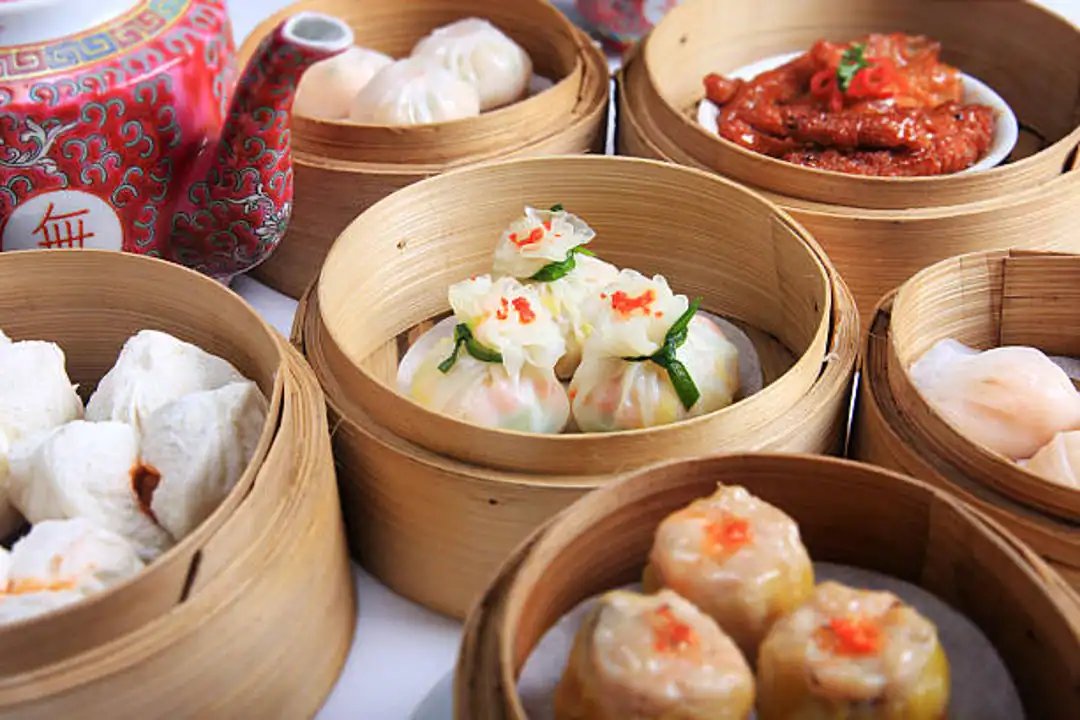
Picture yourself nestled in a cozy corner, the delightful scent of freshly steamed dumplings wafting around you. This experience is all about savoring flavors, and choosing the right brew can take it to the next level.
For lighter dim sum, a delicate green tea pairs beautifully, while a bold oolong complements heartier dishes.
Food culture truly thrives on these pairings, making every sip a part of the culinary exploration.
Now, let’s dive into your dim sum selections.
From fluffy bao buns to crispy spring rolls, each dish brings its own flair to the table. Think about what flavors excite your taste buds and try to match them with your tea of choice. Adding a splash of black bean sauce or a dash of chili paste can elevate your dishes, showcasing the vibrant essence of fusion cuisine that reflects diverse food cultures and encourages culinary exploration.
Savory Dishes: The Role Of Bakpao

There’s something truly special about savory pastries that transport you to another place with each bite. Bakpao, those soft steamed buns, are a prime example of this delightful experience, deeply rooted in the culinary traditions of Southeast Asia.
These tasty bites come filled with a variety of ingredients, offering an exciting explosion of flavors that cater to every palate.
Tracing their origins to Chinese cuisine, bakpao has made its way into Indonesian and other regional delicacies, showcasing local tastes and fresh ingredients in every version. Often found alongside small plates in the vibrant world of dim sum, bakpao enhances your meal by adding a wonderful contrast to rich noodle dishes and crispy rolls, making it the perfect companion to various bites and savory pastries.
Bakpao
- Bakpao originated from Chinese cuisine and has been embraced by various Southeast Asian countries.
- These steamed buns can be filled with a wide range of ingredients, reflecting local flavors and culinary traditions.
- Bakpao is commonly served with dim sum, enhancing the dining experience by complementing rich noodle dishes and crispy rolls.
- They are a versatile snack, appealing to diverse palates with their variety of fillings and textures.
Translating Culinary Traditions Into Dim Sum
Exploring the world of dim sum is like embarking on an adventure through a tapestry of flavors. Each bite offers a glimpse into the rich cultural heritage, made vibrant by local ingredients.
For example, seafood variations might surprise your taste buds while delving into Indonesian twists or unexpected vegetarian options.
Imagine the delightful fusion of spices and cooking methods, each dumpling telling a unique story from its origins.
Popular eateries embrace these diverse interpretations, inviting diners to celebrate their roots and experience culinary traditions in every mouthful. Transitioning from these delicious creations, let’s uncover local favorites among street food, where each dish is yet another testament to the vibrant culinary landscape
Discovering Local Favorites Among Street Food
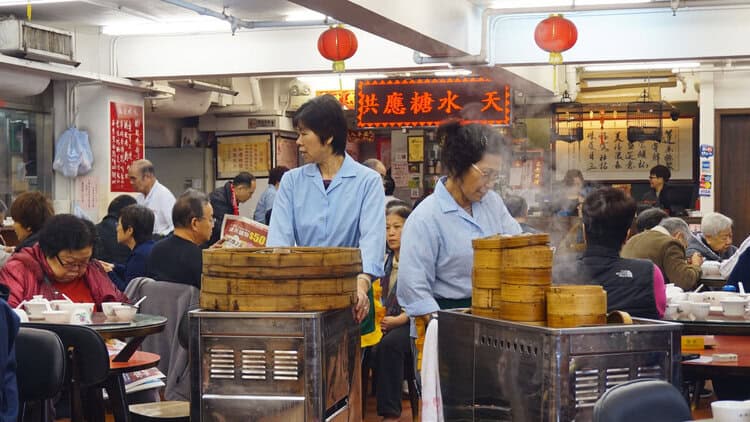
There’s something magical about exploring a city through its food. Wandering the bustling streets, you might stumble upon a cozy stall that serves up delicious bites, creating the perfect setting for communal dining.
Each dish is like a peek into the local culture, showcasing traditional recipes that reflect the community’s history and values.
As you savor unique appetizers, it’s hard not to feel that vibrant pulse of the area, where strangers become friends over shared plates.
The artful food presentation often sparks curiosity, drawing you in to learn more about those time-honored traditions. So, have you discovered a meal that made you feel a little more connected to where you are, perhaps through the experience of family-style dining, traditional recipes shared amongst friends, or the warmth of communal dining and beautifully presented appetizers?.
Communal Dining and Food Exploration
- Sharing meals fosters social connections and enhances the dining experience, turning strangers into friends.
- Traditional recipes often reflect the cultural heritage and history of a community, providing insight into local values.
- Artful food presentation can enhance curiosity and appreciation for the culinary arts, encouraging exploration of local traditions.
- Family-style dining encourages communal sharing, making meals more enjoyable and memorable through collective experiences.
Conclusion
Stepping back from our culinary journey, it’s evident that exploring dim sum in Indonesia reveals a feast of flavor profiles that truly excite the palate. Each region showcases its own handmade delicacies, rich with local ingredients and culinary techniques that elevate these dishes.
Be sure to dive into local eateries where you can experience these delightful treats firsthand.
You might be pleasantly surprised by the spicy cuisine and how it varies from one locale to another.
So, what will your taste buds unveil on this dim sum adventure, where handmade delicacies crafted with unique ingredients and intricate culinary techniques dance on your palate, promising bold flavor profiles and hints of spicy cuisine? Let the journey unfold, and savor every moment!.


