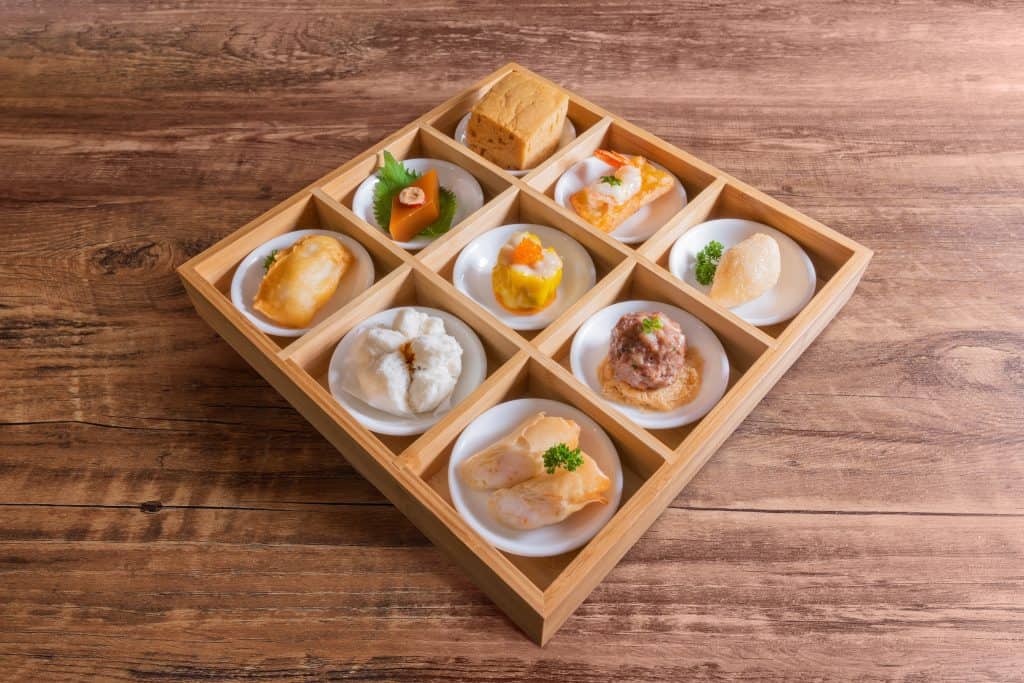
Visiting Macau is like stepping into a vibrant culinary adventure where each bite tells a story. The delightful world of these little treasures transcends mere sustenance; it’s woven into the daily rhythm of life.
Deeply rooted in Cantonese cuisine, this tradition offers a glimpse into the region’s rich culinary heritage, inviting both locals and travelers to indulge in its flavors.
With an array of dishes ranging from succulent steamed dumplings to flaky pastries, every morsel is a burst of flavor.
A bamboo steamer plays a pivotal role, ensuring these delicacies are served fresh and moist. The dining experience goes beyond just food, creating an atmosphere that celebrates Cantonese cuisine, tea culture, culinary heritage, and the allure of street food served in traditional bamboo steamers.
| Category | Details / Description |
|---|---|
| Cultural Influence | Primarily Cantonese with notable Portuguese colonial and global culinary fusion |
| Typical Venues | Traditional Cantonese tea houses, high-end hotel dim sum buffets, local cafés (cha chaan teng-style) |
| Meal Timing | Morning to early afternoon (“yum cha” culture), popular on weekends for family gatherings |
| Popular Dim Sum Dishes | – Har Gow (shrimp dumplings) – Siu Mai (pork dumplings) – Char Siu Bao (BBQ pork buns) – Cheung Fun (rice rolls) |
| Macanese Twists | – Portuguese egg tarts (served as dessert dim sum) – Buns with curry fillings – Serradura pudding |
| Dessert Dim Sum | – Egg tarts (pastéis de nata) – Coconut milk jelly – Almond soup with tofu |
| Fusion Creations | – Portuguese chouriço siu mai – Seafood dumplings with peri-peri sauce |
| Tea Pairings | – Pu-erh tea (classic) – Jasmine and chrysanthemum teas – Occasionally, milk tea |
| Dipping Sauces | Soy sauce, XO sauce, chili oil, Portuguese-style garlic piri-piri oil (in some fusions) |
| Portion Style | Small plates for sharing; 2–4 pieces per item; bamboo steamer service remains standard |
| Presentation Style | Traditional bamboo steamers; ceramic plates; modern venues may use elevated plating aesthetics |
| Modern Adaptations | Served in hotel buffets, integrated with Portuguese brunch culture, often paired with wine |
| Vegetarian Options | Available: tofu skin rolls, mushroom dumplings, lotus buns |
| Notable Venues | – Long Wa Tea House (historic) – The 8 (Michelin-starred) – various hotel buffets (e.g., MGM, Lisboa) |
| Local Dining Etiquette | Share dishes family-style, pour tea for others, dim sum is a social experience often accompanied by storytelling |
| Street Food Availability | Limited; most dim sum is served indoors, but egg tarts and buns may be found in street bakeries |
Culinary Heritage Of Dim Sum
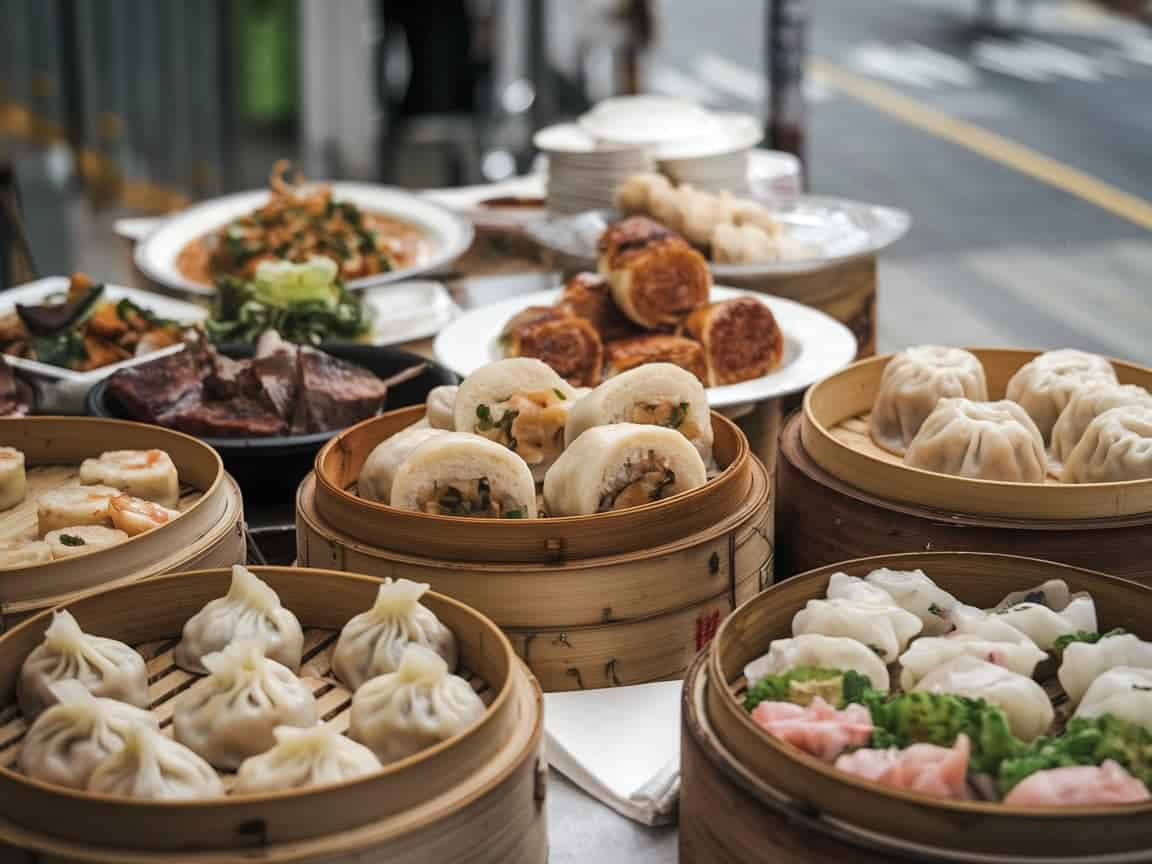
Exploring the world of these delightful small plates feels like an adventure worth savoring. They beautifully reflect the vibrant traditions woven into the fabric of Chinese culture.
Originating in the tea houses of Southern China, this culinary art form blossomed, becoming a symbol of togetherness and joy.
Particularly in Macau, the local gastronomy shines through, making dishes like pork buns and shrimp dumplings distinct with unique local flavors.
Each bite embodies skillful techniques—whether steaming or frying—that have been passed down through generations. Enjoying these tasty treats often transforms into a festive gathering with family and friends, turning a simple meal into a cultural festivals rich celebration. Enjoying pork buns, shrimp dumplings, and rice noodle rolls at cultural festivals showcases the vibrant essence of Macau gastronomy.
What Are Macaus Iconic Recipes?
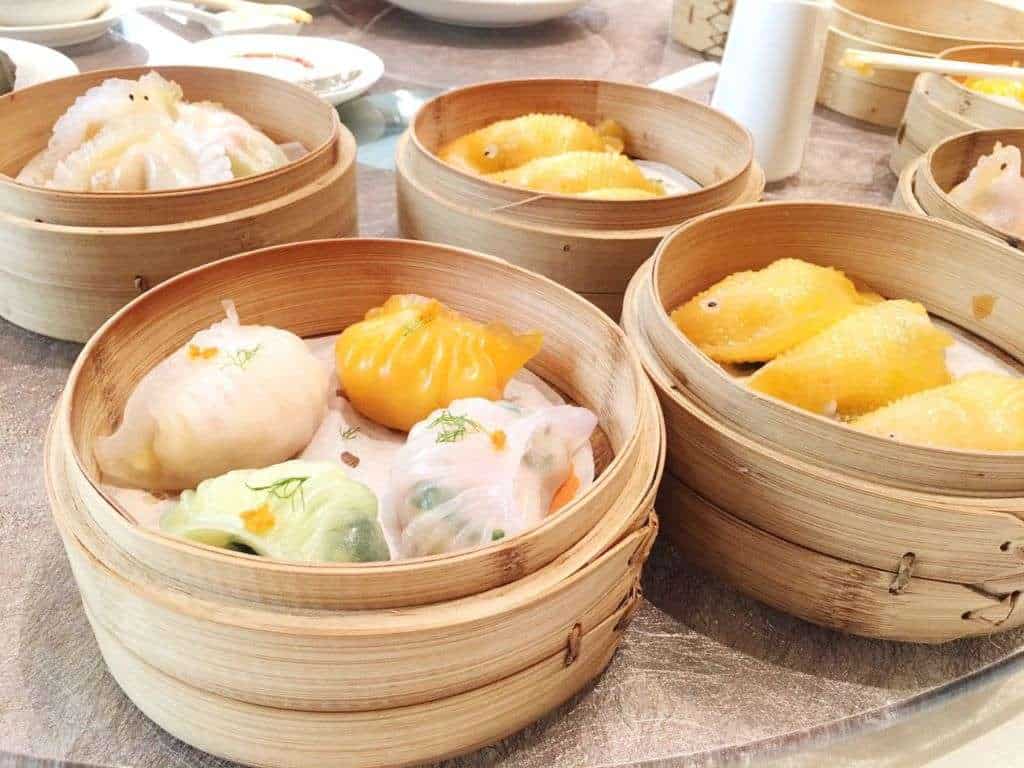
There’s something truly special about diving into the culinary scene of Macau, where each dish brings a flavor-packed story to the table. Among the delightful local delicacies, the Pork Chop Bun stands out as a savory dish brimming with character.
Imagine a juicy, marinated pork chop nestled within a crispy bun—it’s no wonder this treat captures the essence of Macau’s vibrant culture! And for those with a sweet tooth, the Portuguese Egg Tart is a must-try.
This irresistible creation pairs a flaky crust with a creamy custard filling that simply melts in your mouth. You can explore these tempting treats in lively food markets or charming eateries, each offering a chance to savor not just the flavors but the rich culinary tapestry of savory dishes, sweet treats, and local delicacies that define unforgettable dining experiences.
- The Pork Chop Bun is a popular street food in Macau, often enjoyed by locals and tourists alike.
- Portuguese Egg Tarts originated from Macau, influenced by the region’s colonial history.
- Macau’s food markets are vibrant hubs where visitors can experience a variety of local flavors and dishes.
- The culinary scene in Macau reflects a blend of Chinese and Portuguese influences, creating unique dining experiences.
Exploring Tea Culture With Dim Sum
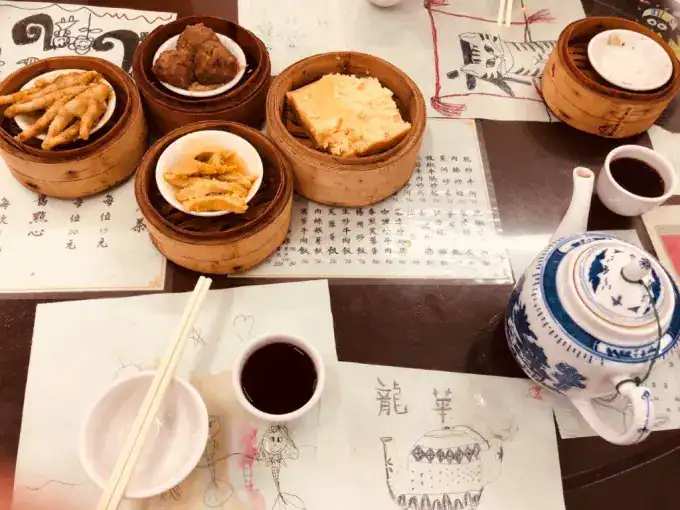
When you gather around a table filled with vibrant small dishes, it’s clear that this dining experience is about more than just food. There’s a sense of joy that comes from sharing delightful bites, especially during family gatherings.
As each dish is brought out from charming food carts, the atmosphere buzzes with excitement and anticipation.
Sipping on a warm cup while savoring the taste of each morsel amplifies the flavors, making every bite a little adventure.
This beautiful ritual of sharing showcases the rich blend of regional flavors, each enhancing the other in perfect harmony. The act of enjoying tea alongside these treats fosters connections, turning meals into cherished moments. It’s more than food; it’s about celebrating culinary traditions, creating stories with every sip and every dish, leading us gracefully toward food carts bustling at family gatherings, where regional flavors unite in the joy of social dining.
Savory Dishes: Understanding Pork Buns
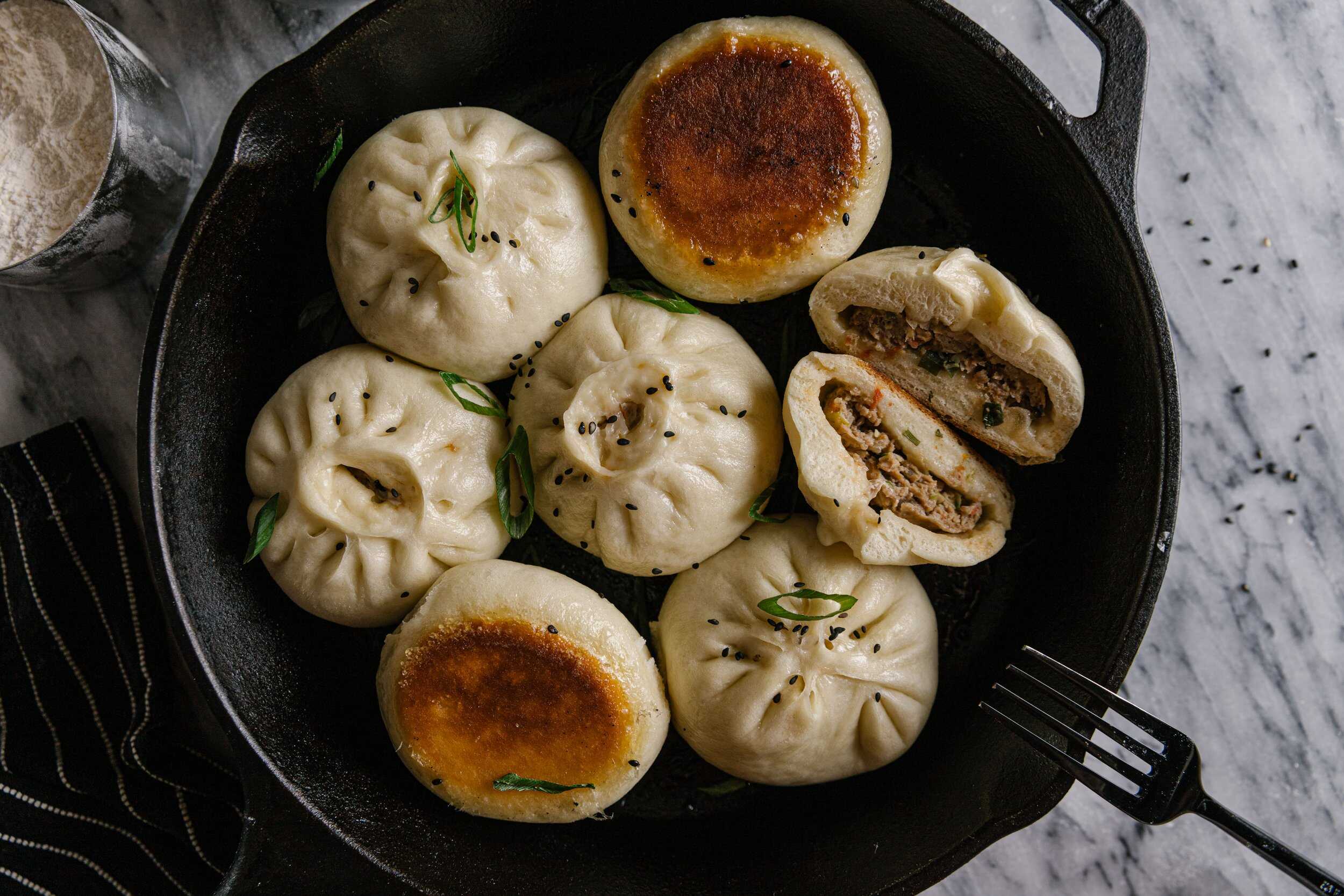
Dim sum is a culinary adventure, and among the delightful offerings, these little buns steal the spotlight. Bursting with juicy pork filling and enveloped in a soft, fluffy exterior, they create a harmony of flavors that’s simply irresistible.
Each bite transports you through a gourmet experience, showcasing how steamed creations can play a significant role in tasting menus and elevate your meal to new heights.
What Makes These Buns Unique?
-
- The tender pork filling blends perfectly with that soft, pillowy exterior, creating a comfort food sensation that pairs beautifully with small plates.
- Whether steamed or baked, each cooking style offers a unique take, enhancing your enjoyment when dining in small plates, tasting menus, and gourmet experiences at traditional eateries while observing proper restaurant etiquette.
Dim Sum Buns
-
-
- The pork filling is often marinated with a blend of spices, enhancing its flavor profile.
- Steamed buns retain moisture, resulting in a tender texture that contrasts beautifully with the filling.
- Dim sum is traditionally served in small portions, encouraging sharing and a communal dining experience.
- These buns can be found in various regional styles, each offering a different taste and preparation method.
-
The Art Of Bamboo Steamer Cooking
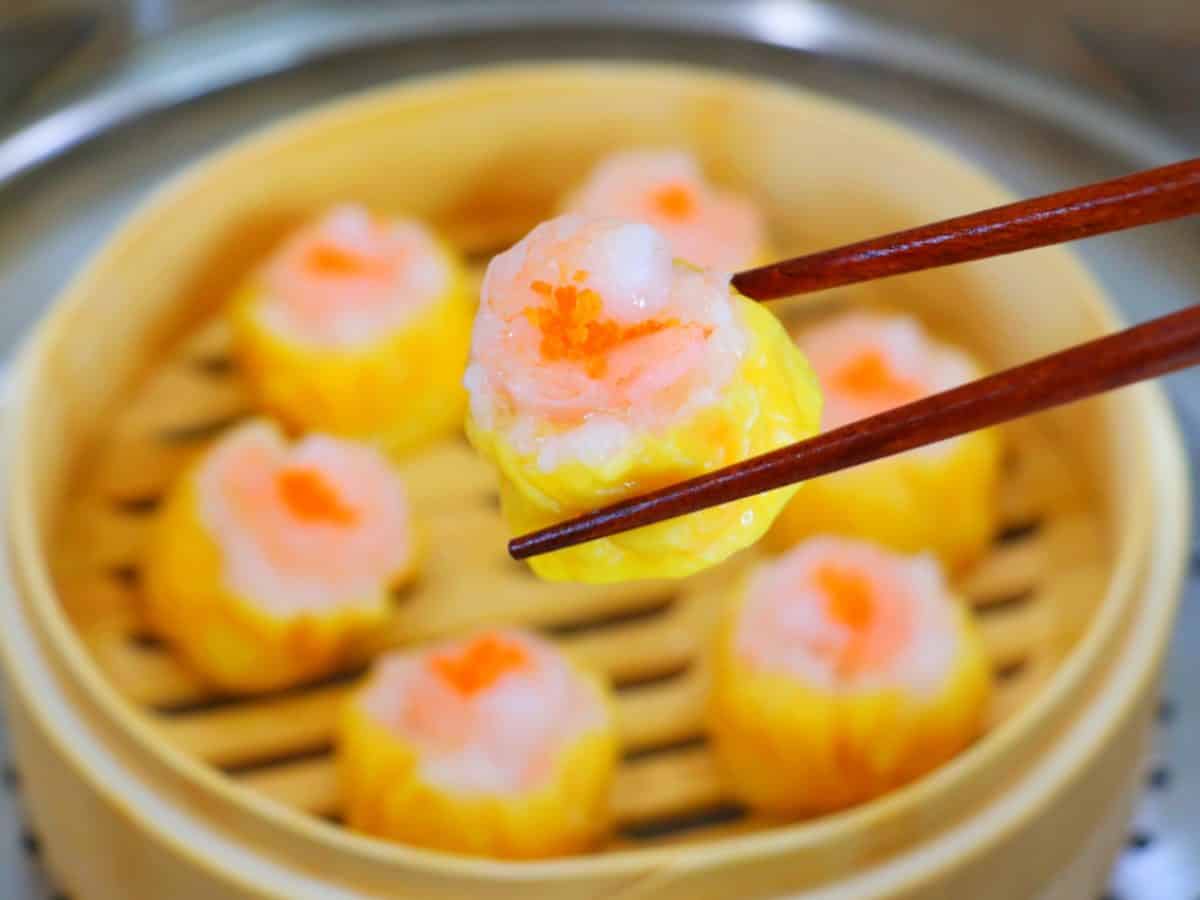
Exploring the world of steaming opens up a vibrant culinary adventure. This method of cooking is all about harnessing gentle heat, which keeps food moist and bursting with flavor exploration.
Using a traditional bamboo tool adds an cultural immersion experience, reflecting the rich tapestry of Asian culinary traditions.
Plus, it brings an earthy charm into your kitchen that’s hard to beat.
When selecting a bamboo cooker, take into account the size and shape that fits your culinary history needs.
Opting for a multi-tiered version allows for cooking several dishes simultaneously, making it perfect for food tours. Proper maintenance is simple—just give it a quick wash and let it air dry to keep it in great condition. Choosing the right steamer enhances the experience of food tours, cultural immersion, fusion cuisine, flavor exploration, and culinary history.
How To Enjoy Street Food Dim Sum?
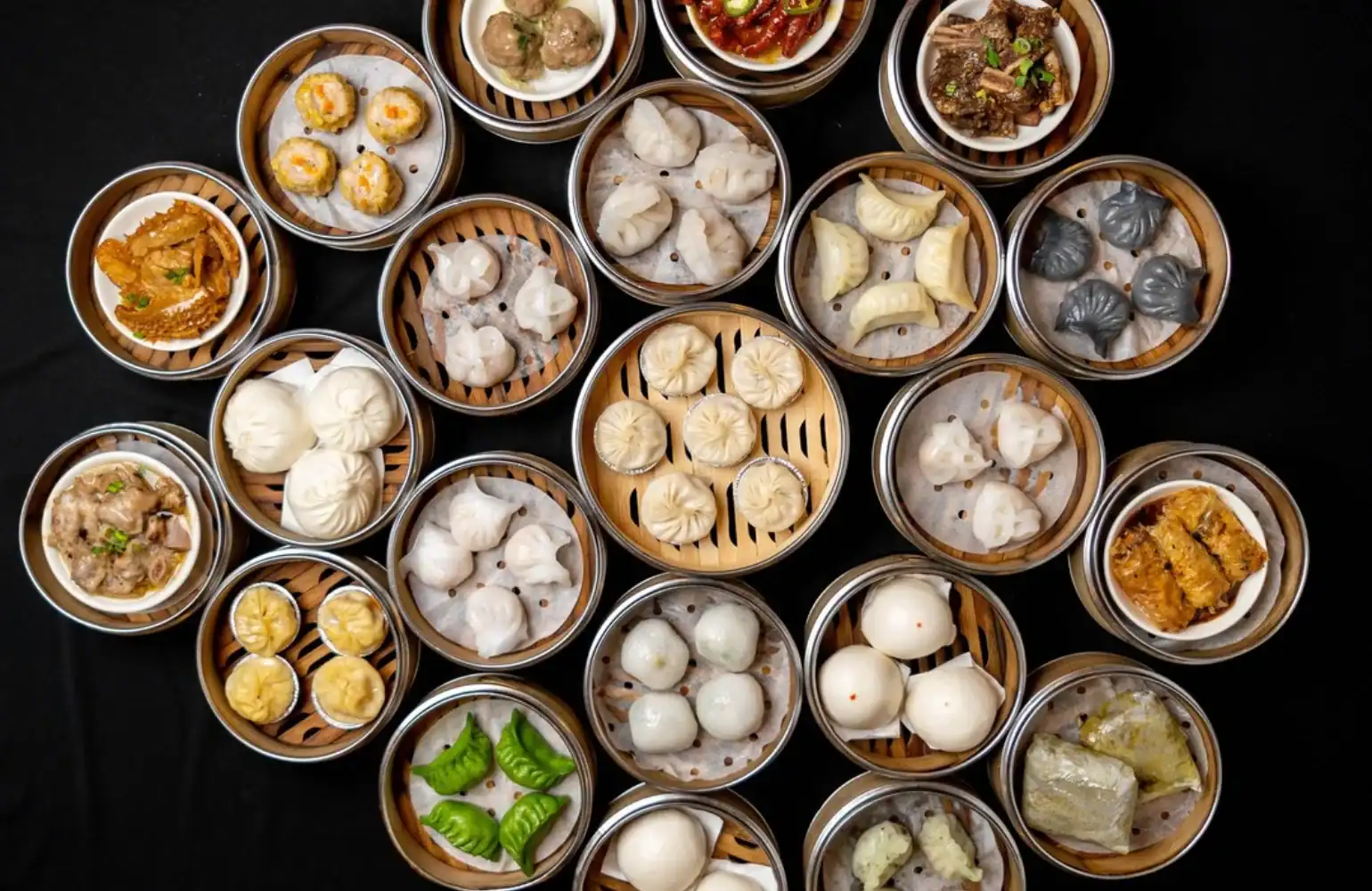
Imagine biting into a delightful treat filled with an explosion of flavors and textures. Street food is a world of culinary wonder, and when you encounter these delicious little parcels, it’s like stepping into a vibrant, bustling market.
Handcrafted dishes filled with creativity are what make this experience so special.
When you spot a stall that’s attracting a crowd, you’re onto something good; it’s a sure sign of freshness and popularity.
Take a moment to appreciate the food presentation—those vibrant colors and enticing arrangements tell a story of passion and skill. Ensure the stall meets your cleanliness standards; you want your meal made with care.
Once you’ve made your choice of iconic recipes, think about pairing them with a refreshing drink to elevate that delightful experience. Every bite is an adventure waiting to showcase the chef’s specialties, where handcrafted dishes and iconic recipes come together for an unforgettable evening dining experience.
Street Food
-
-
- Street food offers a diverse range of flavors and culinary traditions from around the world.
- Popular street food stalls often have long lines, indicating freshness and high demand.
- Food presentation plays a crucial role in attracting customers and enhancing the dining experience.
- Pairing street food with refreshing beverages can elevate the overall enjoyment of the meal.
-
Cultural Significance Of Food Markets
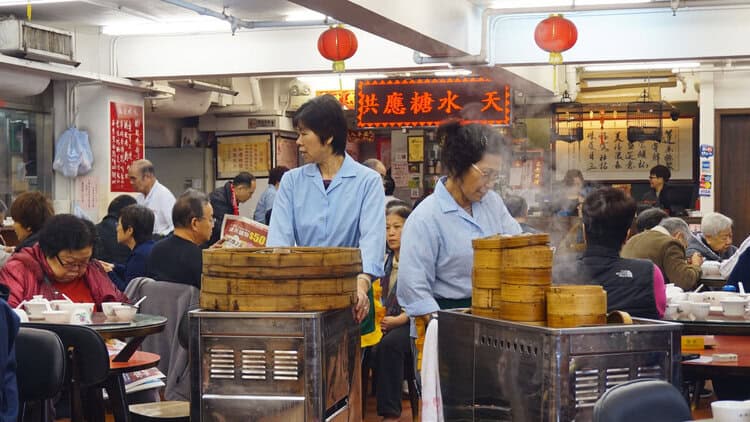
Imagine wandering through a bustling marketplace, where each corner bursts with enticing aromas and colorful displays. Here, stalls offer a rich tapestry of flavor profiles, from fresh seafood glistening under the sun to vibrant vegetarian options that catch your eye.
These lively spaces are so much more than just places to shop; they’re community gathering spots where stories are exchanged and laughter fills the air.
Locals come together, sharing steaming hot pots and the latest gossip, all while soaking in the unique culinary events that celebrate their heritage.
Each vendor showcases diverse culinary traditions, turning these markets into living museums of local practices and flavors. It’s a delightful reminder of how food can weave connections among people, nurturing friendships and supporting regional artisans. Now, diners can enjoy an array of hot pots, seafood, and vegetarian options that highlight diverse flavor profiles and are often featured in exciting culinary events.
Family Gatherings And Sharing Plates

There’s something special about coming together to share culinary delights that really brings the family vibe to life. When loved ones gather, the atmosphere buzzes with excitement as everyone reaches out for their favorite dishes.
These dining rituals not only spark connection but also create space for stories to unfold, blending nostalgia with delicious flavors.
Think about the menu highlights that make each family meal memorable.
Whether it’s a cherished traditional recipe passed down through generations or a new twist on an old favorite, each dish adds its own layer to the experience. Incorporating a range of flavors and textures keeps everyone engaged and thrilled to dig in.
Sharing plates transforms mealtime into a joyful event, emphasizing the importance of building bonds that will be cherished forever.
Conclusion
Sharing meals is more than just about the food itself; it’s about weaving together the stories and traditions that come with each dish. The joy of enjoying heritage dishes makes every gathering special, especially when family recipes are at play.
These culinary experiences remind us of the local ingredients sourced from our communities and how they play a role in our lives.
Each plate served sparks conversations and laughter, creating memories that last a lifetime.
As we come together to savor these dishes, we celebrate the connections that food fosters, reminding us that our gatherings are enriched by the flavors of our culture. Let’s strive to keep these wonderful traditions alive, allowing future generations to discover the same delight and warmth that comes from sharing around the table, celebrating family recipes, sharing plates filled with culinary experiences, and cherishing local ingredients that bring heritage dishes to life.


