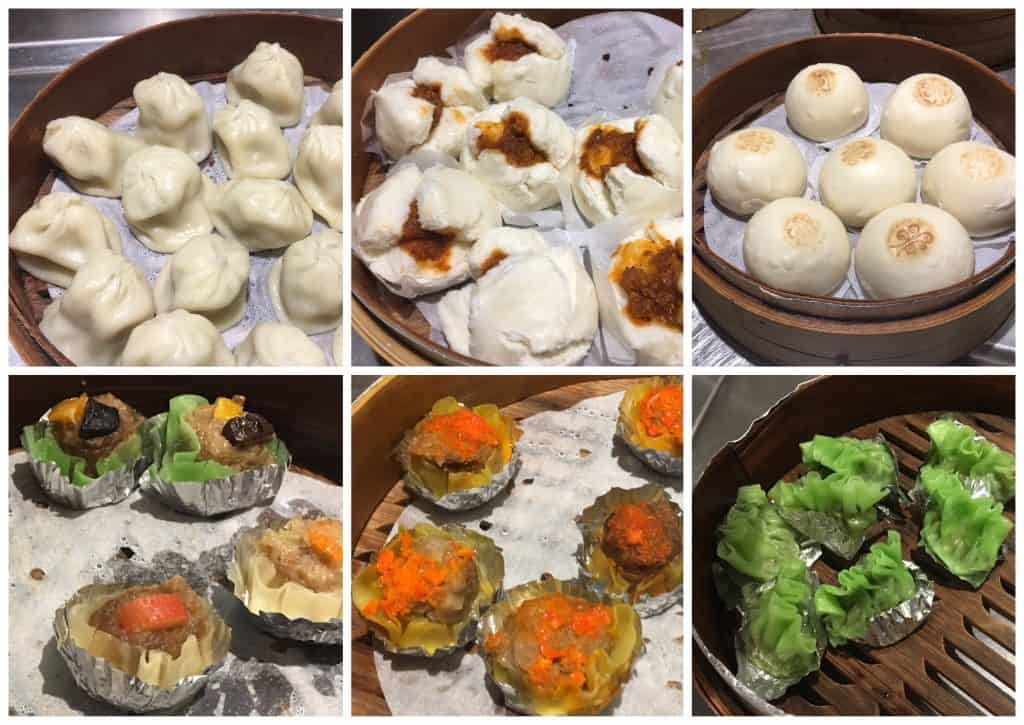
Dim sum offers a delightful journey through flavors, and the distinctions between the two styles are truly captivating. When you think of Taiwanese cuisine, imagine the soft, fluffy steamed buns that can be stuffed with either savory or sweet fillings.
Each baozi presents a unique taste adventure, making them a favorite at any gathering.
Conversely, the charm of Chinese cuisine lies in its diverse dumplings, like the deliciously delicate xiao long bao and the juicy har gow.
These dumplings showcase not only a variety of fillings but also distinct textures that keep every bite interesting. While both cuisines share steaming as a common cooking method, they offer a delightful variety of dishes such as steamed buns, dumplings, baozi, xiao long bao, and har gow.
| Category | Taiwanese Dim Sum | Mainland Chinese Dim Sum (Cantonese + Regional) |
|---|---|---|
| Cultural Influence | Mix of Fujian, Teochew, Japanese, and local Taiwanese traditions | Dominated by Cantonese, plus Hakka, Hunan, Sichuan, Teochew, and Shanghainese styles |
| Common Proteins | Pork, chicken, seafood, sometimes beef; vegetarian options popular | Pork, shrimp, duck, occasionally beef or offal |
| Taste Profile | Light, balanced, often sweet-savory with soy, garlic, and rice wine | Savory-forward; more umami, sometimes sweet or spicy depending on the region |
| Texture Preferences | Soft and tender (baozi, meatballs), with occasional chewiness (radish cakes) | Wide range—crunchy spring rolls, chewy glutinous rice, silky dumpling wrappers |
| Signature Dishes | – Lu Rou Fan Buns (滷肉包) – Taro Meatballs (芋頭丸) – Crystal Dumplings (水晶餃) – Ba-wan (肉圓) | – Har Gow (虾饺) – Siu Mai (烧卖) – Char Siu Bao (叉烧包) – Chicken Feet (凤爪) |
| Dumpling Types | Clear-skinned dumplings, sticky rice-based dumplings (mochi style) | Wheat or starch wrappers; delicate folds, e.g., har gow, siu mai, xiao long bao |
| Use of Pickled Veg | Common—pickled mustard greens, bamboo shoots, and garlic chili | Less common in dim sum; more in side dishes or soups |
| Bun Styles | Often filled with braised pork belly, taro, or red bean paste | Char siu bao, custard bao, steamed milk buns |
| Dim Sum Settings | Small street-side vendors, breakfast shops, and night markets | Traditional tea houses (Yum Cha), restaurants, banquet halls |
| Serving Traditions | Eaten any time of day, often as street food or part of a bento | Typically a social brunch or lunch (Yum Cha) with tea and family/friends |
| Famous Snacks Crossover | Taiwanese dim sum overlaps with popular street snacks and night market fare | Dim sum is more formalized and traditional in its presentation and context |
| Vegetarian Options | Widely available due to Buddhist influences (tofu, mushrooms, veggie bao) | Present, but less emphasized unless in Buddhist or health-focused venues |
| Innovation & Fusion | Frequent fusions with Japanese and Western ingredients (e.g., cheese, matcha) | More traditional; modern updates in high-end Cantonese dining |
| Sauces / Condiments | Soy paste, sweet chili sauce, garlic vinegar, Taiwanese sausage sauce | XO sauce, soy sauce, mustard, hoisin, chili oil |
| Popular Beverages | Soy milk, bubble tea, black tea | Pu-erh tea, jasmine tea, chrysanthemum tea |
Steamed Buns In Taiwanese Cuisine
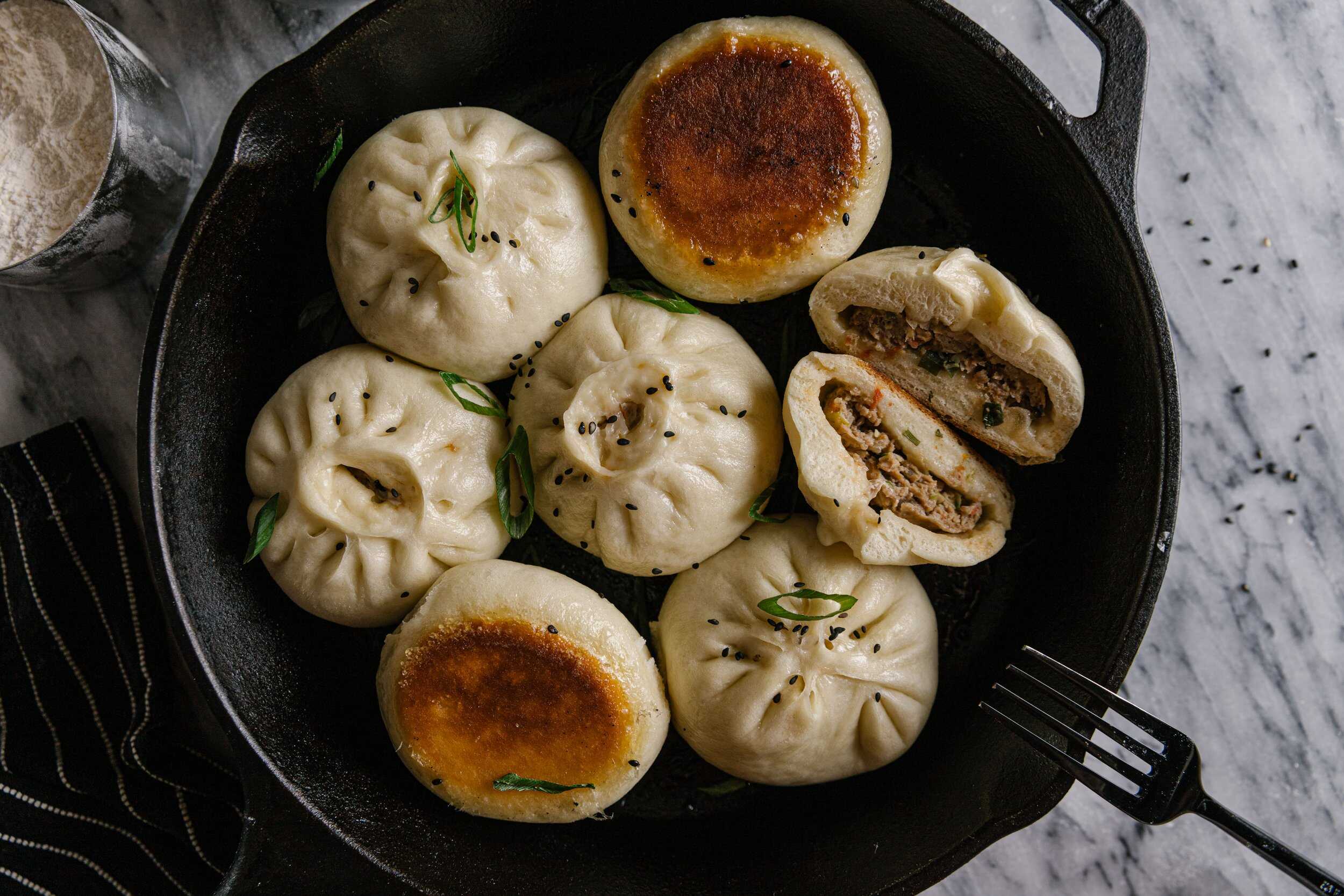
There’s something special about those soft, pillowy treats found in Taiwan’s vibrant food scene. Often nestled in cozy tea houses, these delightful bites can range from the traditional baozi to the simple yet satisfying mantou.
Imagine taking a bite and discovering a treasure within—think braised pork or sweet red bean, each morsel steeped in tradition.
While you might see dim sum carts overflowing with variety in Cantonese cuisine, Taiwanese offerings celebrate the beauty of simplicity and pure flavors.
Whether they grace a festive table or serve as a casual snack, these buns have captured many hearts, making them a beloved staple.
Shifting gears from the world of steamed delights, let’s take a closer look at how Taiwanese dim sum stands apart from its Cantonese cuisine counterparts, emphasizing unique flavors and dishes like shumai served in tea houses and the vibrant dim sum cart culture.
What Are The Best Dumplings Varieties?
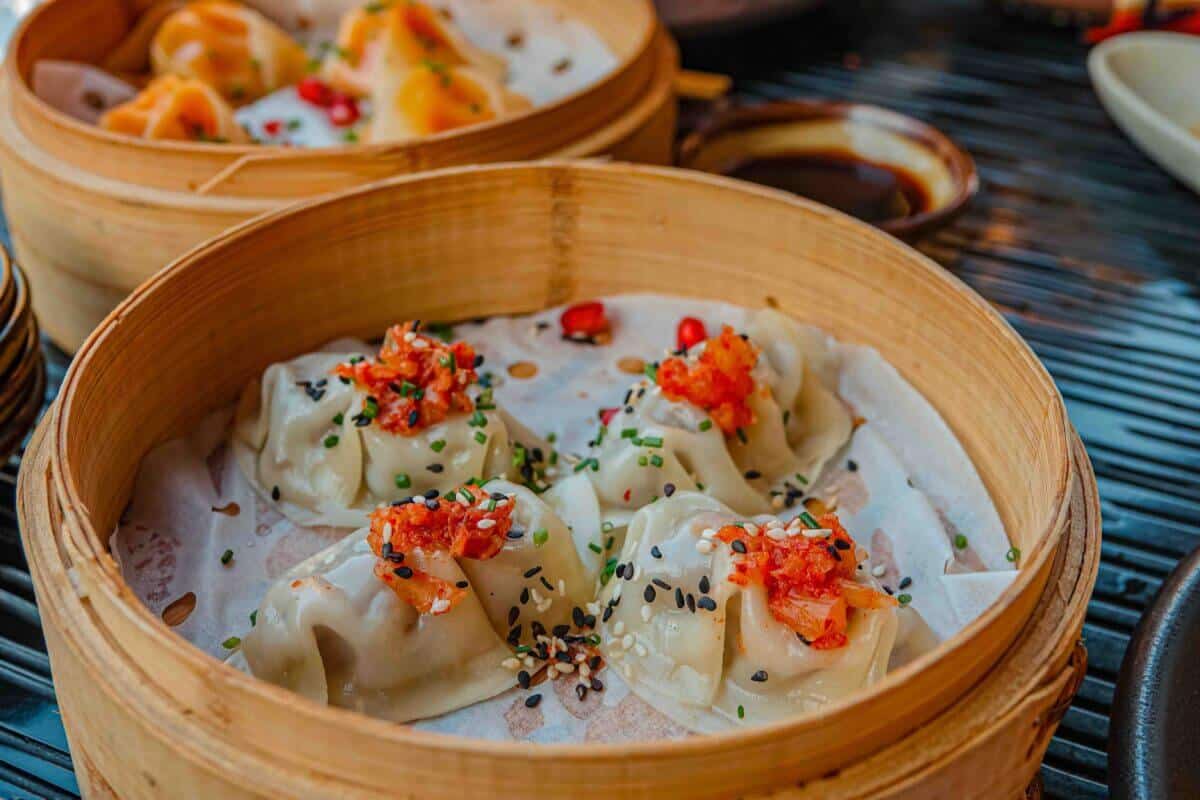
There’s something truly delightful about exploring the diverse world of dumplings, where every bite tells a story and offers a taste of culture. Let’s dive into some of the must-try varieties you won’t want to miss! Water dumplings are hugely popular, often filled with juicy pork dumplings and crisp vegetables, creating a mouthwatering experience with every bite.
Potstickers are a dream come true for texture lovers; they boast crispy bottoms while remaining soft on top.
Moving to a different culinary corner, gyoza showcases a Japanese flair with amazing fillings, typically enjoyed with a savory soy dipping sauce. And we can’t overlook the regional specialties, like ba wan, known for their unique textures that will tantalize your taste buds alongside pork dumplings, rice noodle rolls, gyoza, and wontons.
| Dumpling Type | Main Ingredients | Texture | Serving Style |
|---|---|---|---|
| Water Dumplings | Pork, Vegetables | Juicy | Boiled |
| Potstickers | Varied Fillings | Crispy Bottom, Soft Top | Pan-fried |
| Gyoza | Japanese Fillings | Soft | Served with Soy Sauce |
| Ba Wan | Pork, Unique Textures | Varied | Steamed or Fried |
Exploring Baozi In Chinese Dim Sum
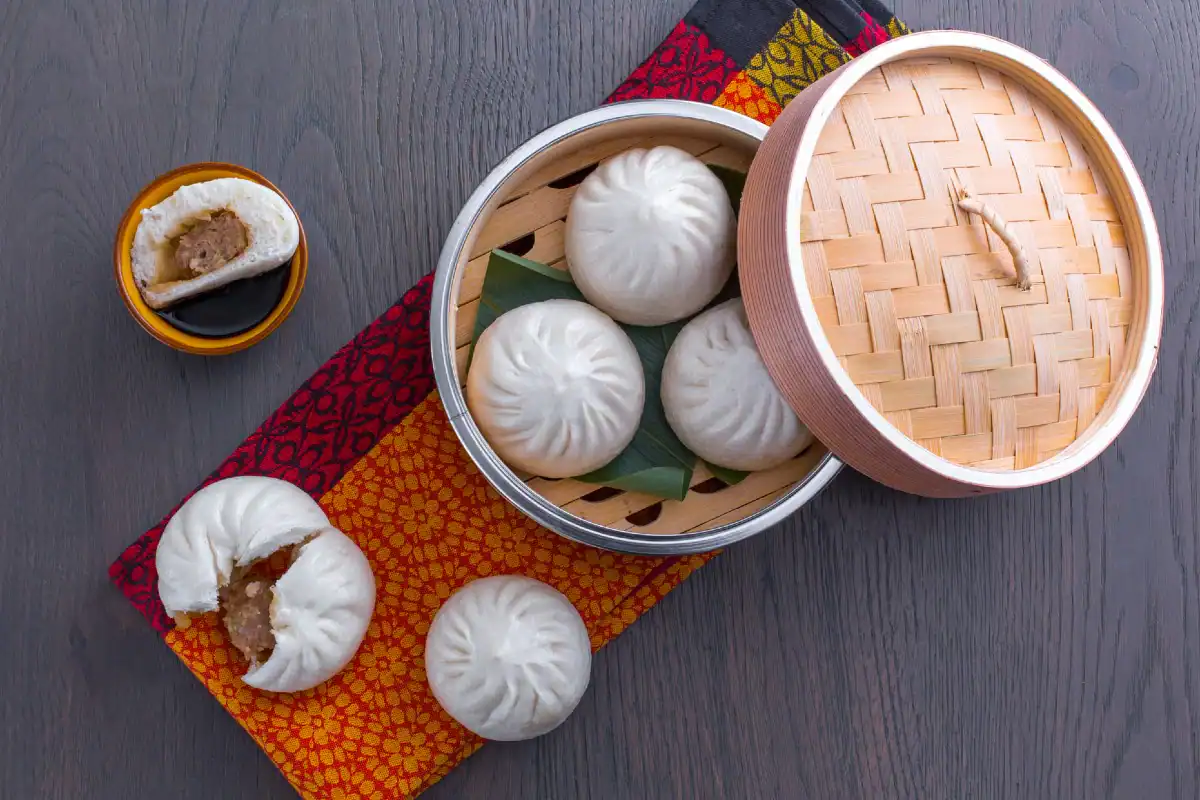
Steamed buns filled with a delightful array of ingredients are a must-try for anyone diving into the world of Chinese dim sum. These fluffy treats often surprise with savory meats or crisp vegetables hidden beneath their tender exterior.
Pairing them with a zesty dipping sauce, like chili oil, elevates their flavor profile, making each bite even more enjoyable.
You’ll find enticing fillings ranging from succulent pork to sweet red bean paste, perfect for satisfying any craving.
These tasty morsels can be enjoyed solo or as part of a vibrant dim sum feast, perhaps alongside crunchy green onion pancakes for a well-rounded meal.
Traveling across different regions, these buns showcase an impressive variety of fillings and styles, each reflecting local ingredients and culinary traditions. With such diversity, your meal can be elevated with a variety of dipping sauces like chili oil, soy sauce, and sriracha, perfectly paired with green onion pancakes.
Differences In Xiao Long Bao Preparation
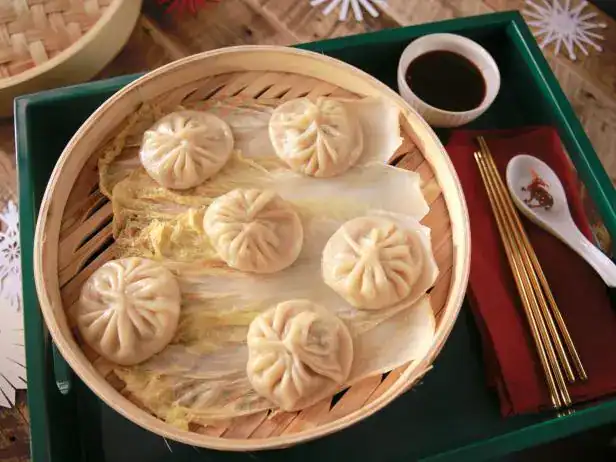
When it comes to delicious dumplings, the variety platter of preparations truly showcases the unique flavors of each region. For instance, in Shanghai, the dumplings typically burst with juicy pork and a savory broth, whereas in Taiwan, a delightful twist often includes a hint of crab.
These regional specialties are all about the secret techniques of folding and steaming, giving each version its own charm.
The choice of ingredients, whether it’s the rich pork or the sweet crab, plays a significant role in your dumpling experience. And let’s not forget the joy of enjoying these tiny treasures fresh from a bamboo steamer, paired perfectly with a steaming cup of hot tea, as we savor the vibrant flavors of street food and delight in the variety platter of small plates!.
- Shanghai dumplings are known for their juicy pork filling and savory broth.
- Taiwanese dumplings often feature a delightful hint of crab, showcasing regional variations.
- The techniques of folding and steaming dumplings contribute significantly to their unique charm.
- Enjoying dumplings fresh from a bamboo steamer enhances the overall culinary experience.
The Art Of Har Gow Folding

There’s something truly magical about crafting perfect dumplings. The delicate wrappers and savory snacks come together to create bites of joy, especially when it comes to dim sum.
Mastering the folding techniques can take your culinary skills to the next level, giving you the chance to impress friends and family with your culinary culture knowledge.
Not only does the fold affect the dumpling’s appearance, but it also plays a key role in keeping that scrumptious filling where it belongs.
Let’s explore some easy methods to help you fold like a pro and enjoy the fun of meal sharing!
Folding Techniques
Start by rolling out the dough to a thin and even thickness. A thicker wrapper can lead to a richer experience of savoring the culinary culture and regional flavors that enhance food history and meal sharing.
Shumai: A Cultural Treasure
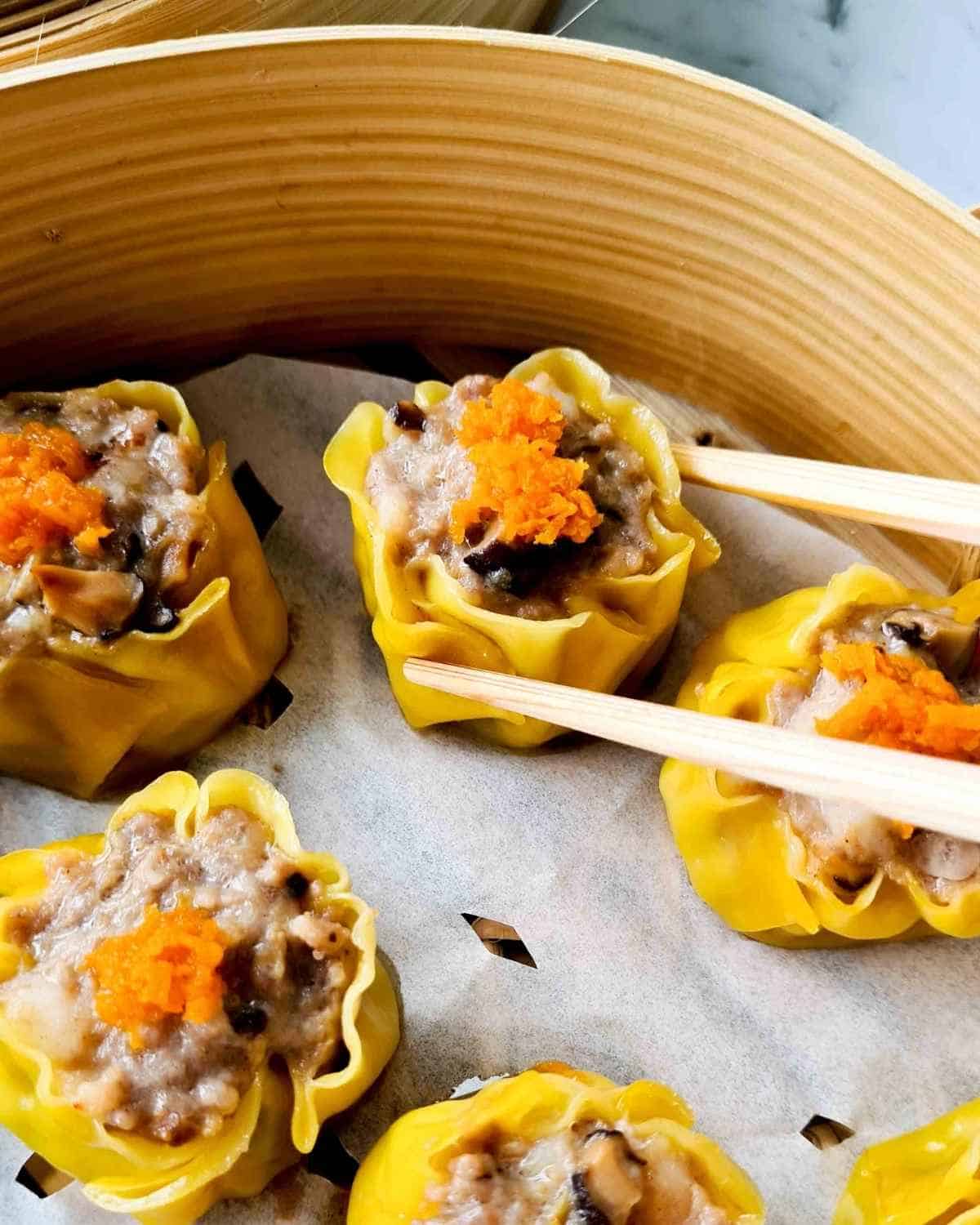
Imagine wandering through a bustling night market, the air filled with enticing aromas and laughter. Among the various delights, one stands out: a delightful dumpling often filled with shrimp or pork.
This culinary gem is more than just food; it embodies a rich blend of flavors and traditions that resonate within Taiwanese gastronomy.
Traditionally enjoyed during banquet meals or casual gatherings, each bite offers a taste of the vibrant culture that surrounds it.
Families flock to food stalls, cherishing the familiar dishes that create a sense of community. With its delicate wrapper and savory filling, this dish is a cherished experience, connecting food lovers to the heart of Taiwan’s culinary heritage. As we explore the art of crafting these delicious bites, let’s transition smoothly into the enchanting world of dining, where we can savor the communal joy of family-style dining, the festive atmosphere of banquet meals, and the vibrant energy of night markets filled with diverse food stalls, all celebrating the richness of gastronomy.
Taiwanese Dumplings
- Dumplings are a staple in Taiwanese cuisine, often enjoyed during special occasions and family gatherings.
- Night markets in Taiwan feature a variety of food stalls, showcasing local delicacies and creating a vibrant community atmosphere.
- The delicate wrapper and savory fillings of dumplings reflect the rich culinary traditions and flavors of Taiwan.
- Family-style dining fosters a sense of togetherness, making meals a communal experience that enhances cultural connections.
Dining In A Tea House Experience
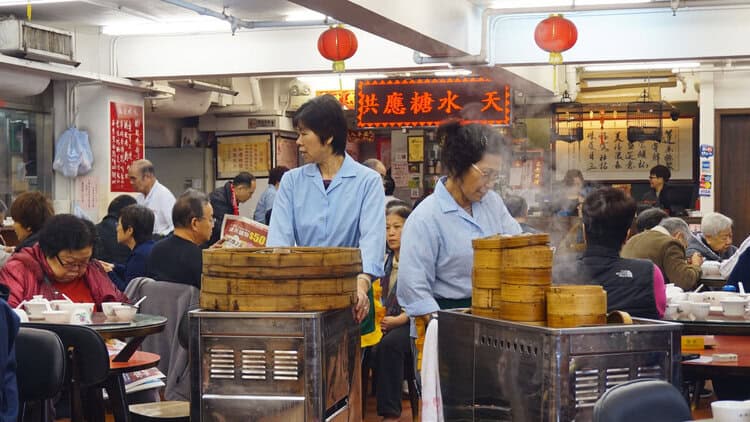
You walk into a snug little spot filled with the comforting aroma of freshly brewed tea, which immediately sets a relaxed mood. The ambiance feels warm and welcoming, inviting you to unwind.
The menu is a treasure trove of authentic recipes, offering a delightful array of teas and bite-sized servings that promise to tickle your taste buds.
As you absorb the charming décor, laughter and lively conversation blend harmoniously, turning every meal into a celebratory occasion.
Each dish, paired thoughtfully with the right tea, showcases a delightful texture contrast that adds an extra layer of enjoyment to your dining experience.
Speaking of flavor, let’s dive into the heart of these culinary gems starting with shumai, a cultural treasure that embodies the spirit of dim sum. These little bitesized servings offer authentic recipes that showcase delicate flavors, exciting texture contrast, and perfect food pairing.
How To Master The Dim Sum Cart Tradition?

Picture yourself in a vibrant dining room, where the enticing aroma of warm dumplings wafts through the air, inviting you to indulge. Diving into the cart experience is where the fun begins! When that lively cart rolls by, you’ll encounter an array of dishes crafted with fresh ingredients, just waiting to be sampled.
Embrace the delightful variety on offer, and take your sweet time in choosing your favorites.
Feel free to engage with the server; they’re eager to share their culinary traditions and insights about the cooking techniques behind your picks.
This interaction can truly elevate your dining adventure!
Good communication enhances the experience, so let your server know what flavors excite your taste buds or if you have any dietary needs. They’re there to help you discover dishes that highlight fresh ingredients, innovative cooking techniques, unique flavor profiles, aromatic herbs, and rich culinary traditions.
- Dining experiences featuring fresh ingredients enhance flavor and appeal.
- Engaging with servers can provide insights into culinary traditions and cooking techniques.
- Variety in food options encourages exploration and personal preference in dining.
- Good communication with staff can lead to personalized recommendations based on dietary needs.
Conclusion
As we come to the end of our dim sum adventure, it’s the perfect time to reflect on the vibrant flavors we’ve explored together. This culinary treasure trove invites us to dive into fusion cuisine, showcasing the varied styles and unique ingredients that make each bite a memorable palate experience.
Each dish holds a story, and it’s exciting to think about sharing those moments over a bubbling steamer of dumplings with friends.
As we wrap up our exploration, consider the delightful memories made during those late-night dining escapades or cozy brunch specials.
Before you head out, consider exploring the fusion cuisine options that highlight unique flavors, indulge in late-night dining experiences, or treat yourself to brunch specials that will elevate your food tourism adventures, ensuring a memorable palate experience.


