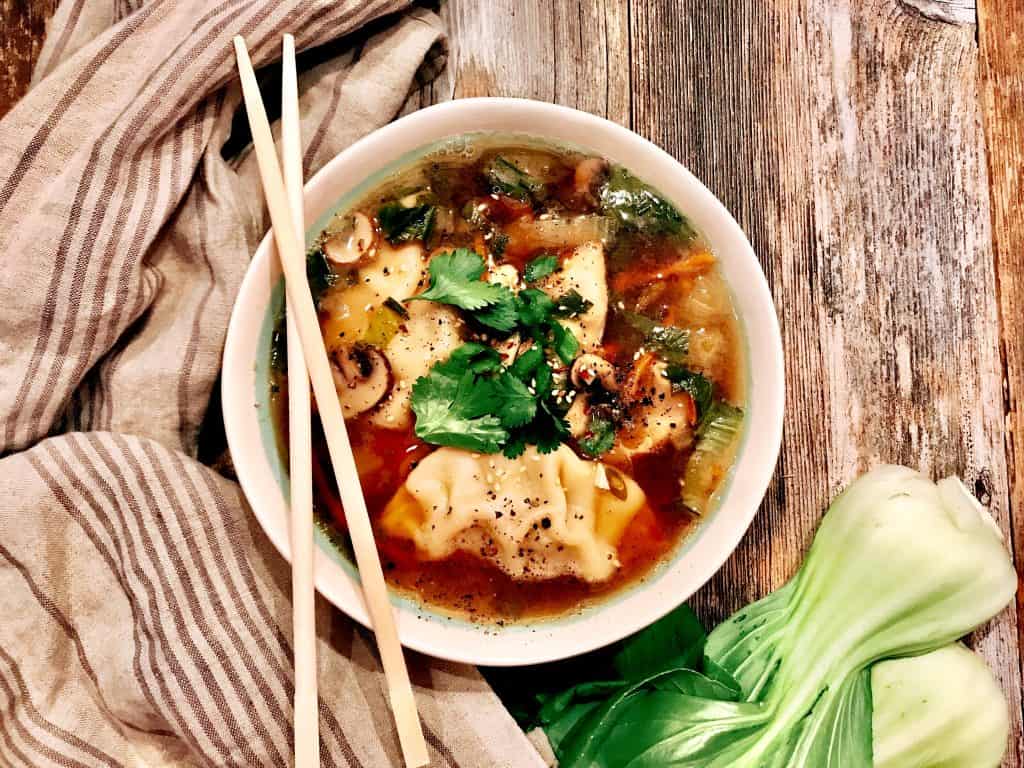
There’s something special about savoring a warm bowl of goodness that can instantly brighten your day. Soups not only comfort the soul but also bring out the best in dishes like steamed dumplings, enhancing your culinary journey.
The thrill of experimenting with different flavors is what makes cooking such a delight.
Each recipe has its unique flair, whether it’s the rich depth of wonton soup or the light and refreshing taste of a delicate soup broth.
Let’s jump into some simple and enjoyable recipes that will surely wow your family and friends, all while making the cooking process delightful, including delectable steamed dumplings served in a flavorful soup broth, perfect for creating a comforting wonton soup that showcases the best of Chinese cuisine, all easily made with bamboo steamers.
| Soup Name | Main Ingredients | Flavor Profile | Preparation Notes |
|---|---|---|---|
| Shrimp Wonton Soup (雲吞湯) | Shrimp, ground pork, wonton wrappers, ginger, scallions, chicken broth | Light, umami, mildly gingery | Wontons are folded into small triangles and boiled; broth seasoned with soy sauce |
| Siu Mai Broth Soup | Siu mai dumplings, napa cabbage, mushroom stock, garlic oil | Savory, deep, mildly sweet | Uses leftover siu mai with vegetable-rich broth; great for leftover reinvention |
| Egg Drop Soup with Tofu | Eggs, silken tofu, chicken stock, white pepper, scallions | Silky, peppery, comforting | Pour beaten egg slowly while stirring to create “egg flowers” |
| Pork & Century Egg Congee (皮蛋瘦肉粥) | Rice, pork slices, century egg, ginger, scallions | Creamy, earthy, lightly salty | Rice slow-cooked into porridge texture; often eaten as dim sum breakfast |
| Watercress and Pork Soup (西洋菜湯) | Watercress, pork bones or ribs, red dates, goji berries | Herbal, savory-sweet | Slow simmered for 2+ hours; traditional Cantonese soup |
| Lotus Root & Peanut Soup (蓮藕花生湯) | Lotus root, raw peanuts, pork ribs, dried octopus (optional) | Nutty, earthy, slightly sweet | Lotus root adds crunch; often served in double-boiled form |
| Fish Maw & Crab Meat Soup (魚肚蟹肉羹) | Fish maw, crab meat, chicken stock, egg white, cornstarch | Rich, gelatinous, delicate | Premium soup often served in upscale dim sum restaurants |
| Hot & Sour Soup (酸辣湯) | Tofu, wood ear mushroom, bamboo shoots, vinegar, white pepper, egg | Spicy, tangy, thick | Classic Sichuan-influenced soup with thickened consistency |
| Seaweed & Egg Soup | Dried seaweed, egg, sesame oil, chicken or pork broth | Briny, simple, light | Very quick to prepare; often served as an appetizer |
| Winter Melon & Dried Scallop Soup | Winter melon, dried scallops, mushroom, stock | Subtle, savory, elegant | Mild and cooling soup popular during dim sum in warmer months |
Understanding Soup Broth Techniques

Creating a stunning base for your meals is a delightful journey. With the right approach, the process of making your soup can be both enjoyable and rewarding, especially when you’re working with savory fillings or a cozy bowl of rice noodles.
Stock and broth are often confused: stock leans toward a richer taste due to its bone ingredients, while broth takes a lighter route, typically crafted from meat or vegetables.
When you’re layering flavors, don’t skip over those herbal ingredients like onions, garlic, and ginger—they add a beautiful depth to your mix.
And here’s a little tip: patience pays off when simmering your creation. A well-made broth has the power to elevate any dining experience, effortlessly tying together all the rich flavors typical of savory fillings, rice noodles, herbal ingredients, spicy dipping sauce, and Cantonese specialties.
How To Make Authentic Wonton Soup?
There’s something truly special about a steaming bowl of homemade goodness waiting for you, inviting you to take a sip. This classic dish stands out among delicious broth-based dishes, offering a unique experience that warms the soul.
Start by gathering your fresh wonton wrappers and a delectable filling.
Ground pork or shrimp, seasoned with soy sauce, ginger, and green onions, creates a mouthwatering combination.
When it comes to filling techniques, be careful not to overstuff those wrappers; a little goes a long way! Once your dumplings are sealed up, it’s time to decide how to cook them. Whether you decide to boil or steam your creations, timing is everything to get that perfect texture. Your efforts will surely be rewarded with a delightful bowl of soup dumplings, showcasing the rich culinary traditions and filling techniques that make broth-based dishes and dim sum varieties so unforgettable.
Soup Dumplings
- Soup dumplings originated from Jiangsu province in China and are a popular dim sum dish.
- The filling for soup dumplings often includes a mixture of meat, gelatin, and seasonings which create a flavorful broth when cooked.
- Proper sealing techniques are essential to prevent the broth from leaking out during cooking.
- Cooking methods such as steaming or boiling are commonly used to achieve the desired texture and flavor.
Shrimp Wonton Soup (雲吞湯) Recipe
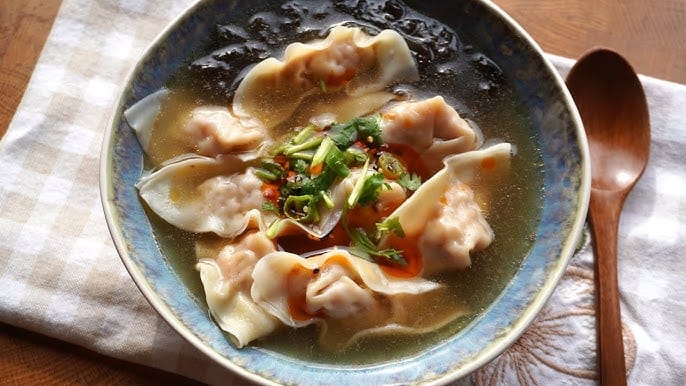
Here’s a classic and complete Shrimp Wonton Soup (雲吞湯) recipe, perfect for homemade dim sum enthusiasts:
🕒 Prep Time: 30 minutes
🕒 Cook Time: 10 minutes
🍜 Servings: 4
🔹 Part 1: Ingredients
▸ For the Wontons:
-
200g raw shrimp (peeled, deveined, chopped)
-
100g ground pork (with some fat for flavor)
-
1 tbsp light soy sauce
-
1 tsp sesame oil
-
1 tsp Shaoxing wine (optional)
-
½ tsp sugar
-
½ tsp salt
-
1 tsp cornstarch
-
1 tbsp finely chopped scallions
-
½ tsp grated ginger
-
20–25 square wonton wrappers
▸ For the Broth:
-
4 cups chicken stock (low sodium)
-
2–3 slices ginger
-
1 tsp light soy sauce
-
½ tsp sesame oil
-
Salt to taste
-
White pepper to taste
▸ For Garnish:
-
Chopped scallions
-
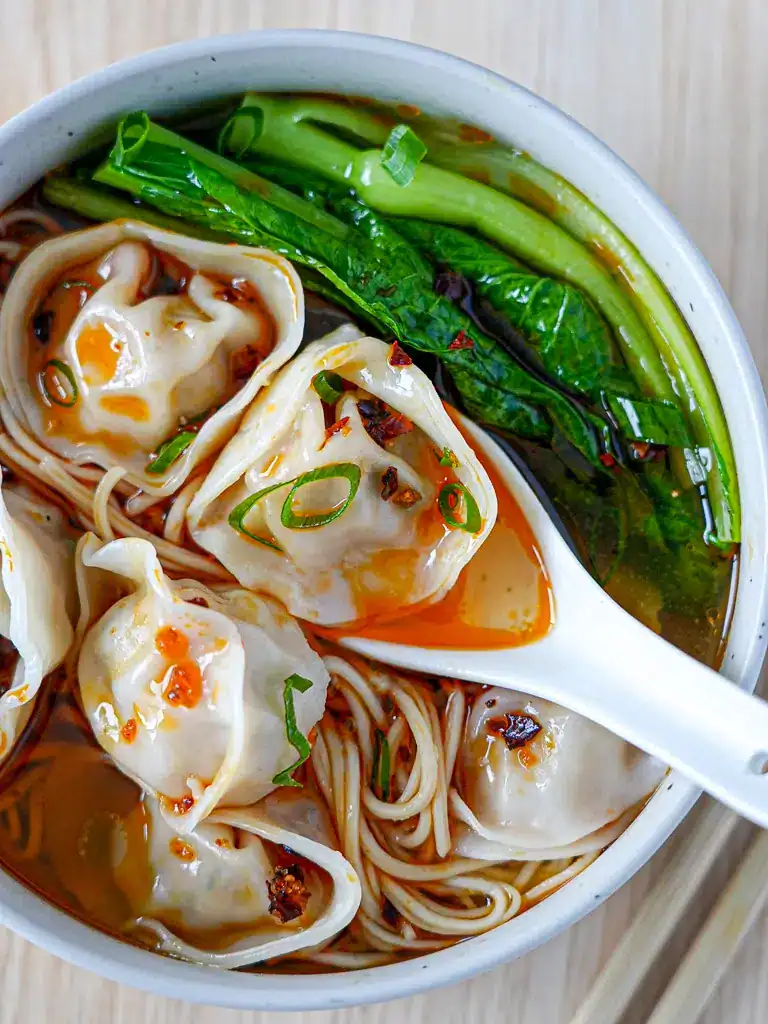
Blanched bok choy or choy sum (optional)
-
Drops of chili oil (optional)
Part 2: Instructions
Step 1: Prepare Wonton Filling
Mix shrimp, pork, soy sauce, sesame oil, Shaoxing wine, sugar, salt, cornstarch, scallions, and ginger in a bowl until sticky and well combined.
Step 2: Wrap the Wontons
Place 1 tsp of filling in the center of a wrapper. Wet the edges, fold into a triangle, then bring two corners together and seal. (Keep wrappers and wontons covered with a damp towel to prevent drying out.)
Step 3: Make the Broth
In a pot, bring chicken stock to a boil. Add ginger slices and simmer gently for 5 minutes. Add soy sauce, sesame oil, salt, and white pepper. Keep warm.
Step 4: Cook the Wontons
Bring a separate pot of water to a boil. Gently drop in wontons, stir to prevent sticking. When they float, cook for an additional 2–3 minutes until translucent and cooked through. Strain.
Step 5: Assemble and Serve
Place 4–6 wontons in each bowl. Pour hot broth over the top. Garnish with scallions, bok choy, or a splash of chili oil.
📝 Tips:
-
You can freeze extra uncooked wontons on a tray and store them in a zip-top bag for future use.
-
Don’t boil wontons directly in broth—they may cloud it.
-
For a richer broth, add a few dried shrimp or simmer with pork bones.
Siu Mai Broth Soup Recipe
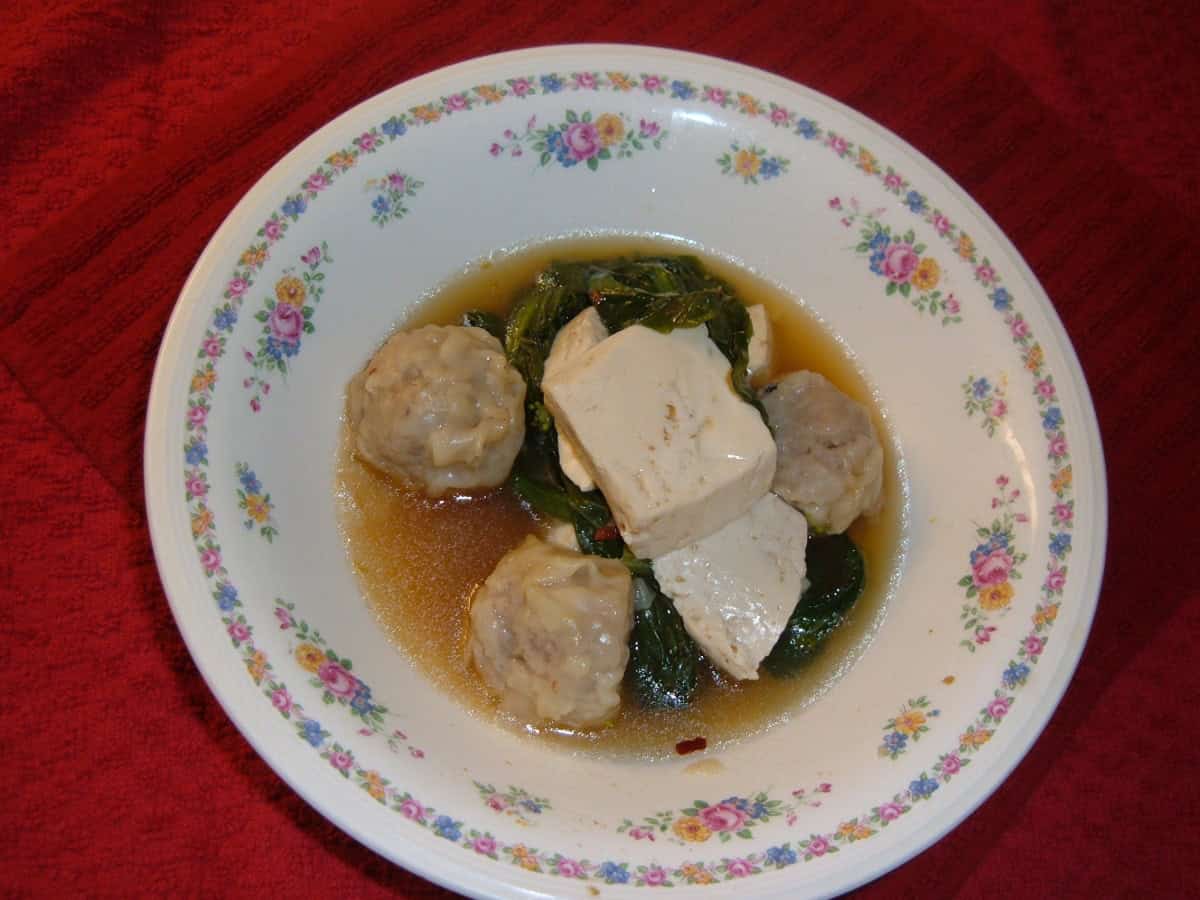
Here’s a delicious and resourceful Siu Mai Broth Soup recipe — a creative way to turn leftover or freshly made siu mai dumplings into a comforting bowl of soup perfect for dim sum lovers.
🕒 Prep Time: 10 minutes
🕒 Cook Time: 15–20 minutes
🍜 Servings: 2–3
🔹 Part 1: Ingredients
▸ For the Soup Base:
-
4–6 cooked or raw siu mai (homemade or store-bought)
-
4 cups chicken or pork broth (low-sodium preferred)
-
1 cup napa cabbage (shredded)
-
½ cup shiitake mushrooms (fresh or soaked dried, sliced)
-
1 small carrot (julienned or thinly sliced)
-
2 slices ginger
-
1 tbsp light soy sauce
-
1 tsp sesame oil
-
White pepper, to taste
-
Salt, to taste
▸ Optional Add-ins:
-
A few slices of soft tofu
-
Chopped scallions for garnish
-
A dash of chili oil or fried garlic oil
🔹 Part 2: Instructions
Step 1: Prepare the Soup Base
In a pot, bring the chicken or pork broth to a gentle boil. Add ginger slices and let it simmer for 3–5 minutes to infuse.
Step 2: Add Vegetables
Add napa cabbage, mushrooms, and carrots to the pot. Simmer until vegetables are soft (about 5–7 minutes).
Step 3: Add Siu Mai
If using raw siu mai: gently add them into the simmering soup and cook for 7–10 minutes until fully cooked through.
If using pre-cooked siu mai: add them in and simmer for 2–3 minutes to heat through.
Step 4: Season the Soup
Add soy sauce, sesame oil, white pepper, and salt to taste. Adjust seasoning as needed.
Step 5: Serve
Ladle soup into bowls, making sure each bowl gets 2–3 siu mai. Garnish with chopped scallions, optional tofu cubes, or chili oil if desired.
📝 Tips:
-
This is a great way to repurpose leftover siu mai into a meal.
-
Using mushroom-based broth makes it vegetarian-friendly if using veggie siu mai.
-
Add a spoonful of cooked rice or glass noodles to turn it into a one-bowl meal.
Exploring Dim Sum Varieties At Home
There’s nothing quite like experiencing a feast that brings people together through flavor and shared moments. With roots in Chinese culinary traditions, this delightful culinary adventure is perfect for meal sharing.
Imagine the nostalgic aroma wafting from freshly steamed dumplings and the crispy goodness of scallion pancakes.
Every bite is an opportunity to explore distinct flavor profiles, whether you’re savoring Shao Mai, Har Gow, or even trying your hand at stuffed peppers for a fun twist.
Plus, if you’re catering to different tastes, you’ll find a variety of vegetarian options that everyone can enjoy. meal sharing experience by exploring diverse flavor profiles that cater to everyone’s tastes, whether that’s with hearty meat-based soups or delightful vegetarian options like scallion pancakes.
Crafting Savory Fillings For Dumplings
Making mouthwatering fillings is a delightful journey that anyone can enjoy. Dive into the world of flavors with traditional choices like pork or shrimp dumplings, and don’t shy away from mixing in some modern twists.
Achieving balance is key; you’ll want distinct flavors that dance together in harmony.
A splash of homemade stock can elevate your mixture, bringing a new depth to each bite.
Fresh herbs and spices also add a fragrant kick—imagine the warmth of garlic sauce or the zing of chili oil enhancing your creation. It’s all about experimenting until you hit that perfect combination of shrimp dumplings in homemade stock, drizzled with chili oil, a splash of black vinegar, and a hint of garlic sauce that makes your taste buds sing!.
Mouthwatering Fillings
- Traditional fillings like pork and shrimp dumplings are popular choices in many cuisines.
- Using homemade stock enhances the flavor profile and depth of the fillings.
- Fresh herbs and spices, such as garlic and chili oil, can elevate the taste and aroma of the dish.
- Experimentation is key to finding the perfect flavor combinations that appeal to your palate.
Utilizing Bamboo Steamers For Perfect Dumplings
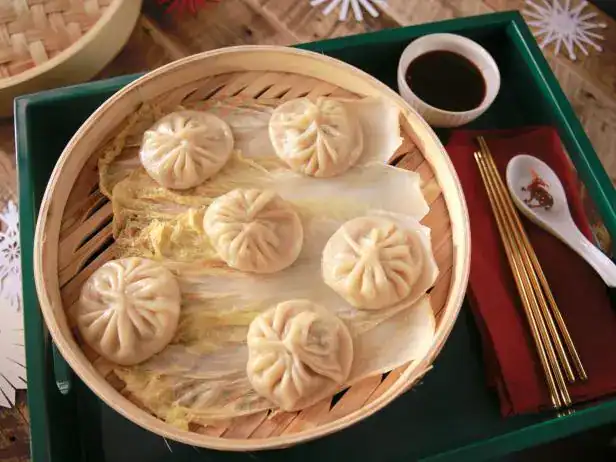
There’s something special about using bamboo steamers when cooking that takes dumplings to a whole new level. These unique cooking methods allow steam to circulate freely, keeping your savory broths moist and ensuring that each bite is tender and delightful.
Plus, the natural bamboo adds a hint of flavor, making every dumpling a treat.
Layer your dumplings thoughtfully to make the most of the space; overcrowding can lead to uneven cooking.
Pay attention to the steaming time too! Typically, dumplings need about 10 to 15 minutes to cook through, depending on their size. Incorporating fragrant herbs into your filling can elevate the taste even further. Trust me, the results will impress you with the unique flavors of rice flour, savory broths, regional dishes, diverse cooking methods, and fragrant herbs.
Discovering Flavor Profiles In Chinese Cuisine
Exploring the culinary landscape of China offers a delightful adventure with every bite. The five core flavors—sweet, sour, salty, bitter, and umami—play a significant role in crafting memorable meals.
Each region brings its unique spin, infusing diverse ingredients into their dishes, making the food culture incredibly rich.
For example, Sichuan cuisine is famous for its bold spices, while Cantonese style showcases delicate textures and fresh offerings.
Ingredients like soy sauce and garlic serve as building blocks, layering flavors beautifully.
Techniques such as stir-frying and steaming are essential to enhancing taste and aroma, creating a unique dining experience. Taking time to explore these flavor combinations can elevate your culinary journey. Feel free to explore the delicate textures of our food culture, savoring each dining experience that celebrates our cherished family recipes and the vibrant essence of street food.
Chinese Culinary Culture
- Chinese cuisine is known for its five core flavors: sweet, sour, salty, bitter, and umami.
- Sichuan cuisine is recognized for its bold spices and heat, while Cantonese cuisine emphasizes fresh ingredients and delicate textures.
- Common ingredients like soy sauce and garlic are fundamental in layering flavors in Chinese dishes.
- Cooking techniques such as stir-frying and steaming are pivotal in enhancing the taste and aroma of the food.
Creating Homemade Stock For Comforting Meals
There’s something truly comforting about the rich, warm flavors that come from a pot of simmering goodness. Homemade stock serves as a foundation for countless meals, adding a layer of umami flavors that really makes your dishes shine.
Using fresh ingredients brings an unmatched quality to your cooking, setting your creations apart from the typical store-bought varieties.
To create a delightful stock, start with high-quality meats and a variety of fresh vegetables.
Aromatics such as onions and garlic are key players, adding brightness to the mix.
And don’t forget to toss in some herbs and spices; even a small amount can turn your stock into an enchanting elixir that brings your dishes to life. Making stock is a breeze! Chop your chosen ingredients and let them simmer gently using classic culinary techniques to enhance the umami flavors, perfect for light meals, appetizer courses, or festive foods.
Vegetarian Options For Dim Sum Soup Lovers
Have you ever thought about how delicious vegetarian soup garnishes can be? You’re in for a treat! These comforting meals not only warm you up but also introduce a delightful array of Asian flavors to your palate. Start with a rich and flavorful broth; hearty ingredients like mushrooms and seaweed can create a splendid depth of flavor.
When it comes to filling your dim sum, think about using tasty options such as tofu and fresh vegetables.
Don’t overlook different cooking techniques, like steaming, to keep your ingredients vibrant and full of life. With a bit of creativity in your noodle soups, your culinary exploration will be both satisfying and fun, as you experiment with various soup garnishes and Asian flavors to create comforting meals!.
| Broth Ingredients | Filling Options | Cooking Techniques |
|---|---|---|
| Mushrooms | Tofu | Steaming |
| Seaweed | Fresh vegetables | Boiling |
| Rich flavors | Dim sum | Sautéing |
Conclusion
Dim sum soups are a delightful way to explore a rich tapestry of flavors and warmth. With each bowl, you’re not just enjoying a meal prep option; you’re embracing a slice of cultural heritage.
Each ladleful envelops seasonal ingredients that bring comfort and joy, inviting you to dive deeper into your culinary creativity.
Don’t shy away from altering these recipes—add your own twist with flavors and techniques that resonate with you.
The true essence of this experience lies in sharing these bowls with family and friends, crafting memories that linger long after the last drop. So, gather your loved ones around the table and relish in a unique fusion cuisine experience that’s sure to delight, celebrating the beauty of home cooking with seasonal ingredients that honor diverse cultural heritage through thoughtful meal prep.


