
Imagine having those delightful homemade dumplings ready to enjoy anytime you want, eliminating the need to whip them up from scratch on every single occasion. The art of freezing dim sum is not just a clever trick; it’s a game-changer for all the meal prep enthusiasts out there.
To preserve that fresh taste we all adore, it’s important to freeze your dumplings properly.
Start off with airtight containers or sturdy freezer bags to ward off any pesky freezer burn.
Portion control really comes into play—packing smaller servings makes those reheating techniques so much easier. Don’t forget to label each bag with dates to ensure your meal prep for freezing dim sum and homemade dumplings is organized, making reheating techniques and steaming method a breeze.
Freezing Dim Sum: Best Practices
Preparing them ahead of time can simplify satisfying those future hunger pangs. Here are some best practices for preserving your delightful creations.
Preparation is Key:
Always let your dim sum types cool completely before freezing.
This step is important to prevent ice crystals from affecting texture.
Lay them out on a parchment-lined tray and flash freeze for about an hour. This way, different dim sum types won’t stick together.
Storage Tips:
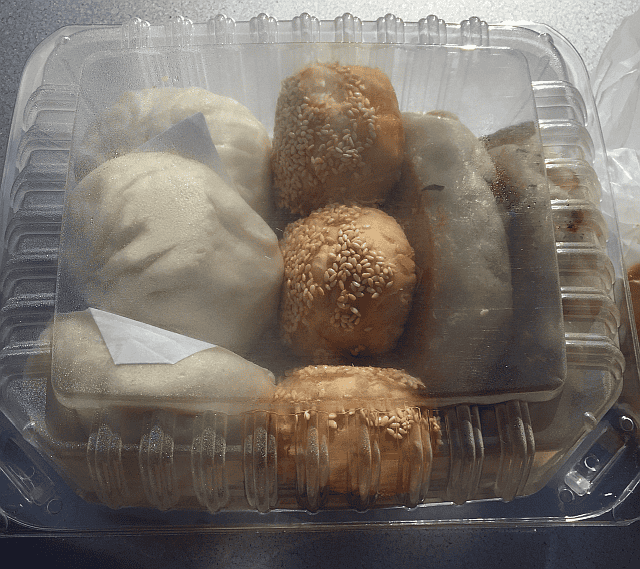
Opt for airtight containers or freezer bags for effective food storage. Don’t forget to remove excess air to avoid freezer burn.
Make sure to label your containers with the date. You’ll be glad you did when it’s time to enjoy your perfectly stored frozen appetizers, whether they’re dim sum types or other delicious bites, with quick and easy microwave reheating.
How To Use Steaming Method For Reheating?
If you want to revive your favorite bitesized snacks, there’s no better technique than steaming! This method is perfect for keeping that wonderful texture intact, making your dim sum feel fresh again.
What You’ll Need: Gather a steamer setup—think bamboo steamer or a pot with a steam rack, along with some water to get things bubbling.
Step-by-Step Guide: Begin by filling your steamer with water and bringing it to a boil.
Next, arrange your dumpling recipes in the steamer, being careful not to overcrowd them.
Cover up and steam for about 5-10 minutes. Always check if they’re heated through; if not, let them hang out a little longer to ensure the flavors meld perfectly, especially in delicious Asian cuisine, including your favorite vacuum-sealed dumpling recipes for bite-sized snacks.
Meal Prep Tips For Homemade Dumplings
Making delicious dumplings at home starts with a little bit of organization. Prepping your filling in bulk and storing it in airtight storage containers can really kick things off.
This not only saves you time but also boosts flavor retention, making every bite worthwhile.

After that, whip up a large batch of dough and stash it in the freezer for quick meals down the line.
When you’re ready to enjoy some homemade delicacies, package your dumplings carefully to avoid sticking together during meal preservation. Don’t forget to label each batch so you can easily recall what’s inside.
Keeping things straightforward and tasty is the name of the game!
Getting creative with different fillings can add an exciting twist to your dumpling nights. Your kitchen is the perfect place for storage containers that enhance meal preservation, enable quick meals, ensure flavor retention, and help you create homemade delicacies.
Exploring Different Dim Sum Types
When it comes to sharing a meal with friends and family, few experiences can match the magic of these delightful, bite-sized dishes. Each offering showcases a unique aspect of Chinese culinary traditions, weaving rich flavors and textures into every moment.
The shared dining experience fosters laughter and conversation, making it all the more special.

Among the favorites, you’ll find Siomai and Har Gow, packed with bold flavors that excite the taste buds.
And don’t overlook the sweet and savory Char Siu Bao—it’s a must-try for anyone eager to explore these treats! Whether your palate craves the silky rice rolls of Cheung Fun or something a bit more adventurous, there’s a type for everyone.
Batch cooking these items can improve your dim sum preparation, enhance food safety, and provide effective reheating strategies while incorporating helpful culinary tips.
Dim Sum
- Dim sum originated in Southern China and has become a popular dining tradition worldwide.
- Sharing dim sum encourages social interaction, enhancing the overall dining experience.
- Batch cooking dim sum can save time and improve food safety by ensuring proper storage and reheating.
- Each dim sum dish offers a unique blend of flavors and textures, appealing to a wide range of palates.
Effective Food Storage For Frozen Appetizers
Keeping those delicious bites at their best is easier than you might think. When it comes to storing savory snacks, a few tricks can help maintain their flavors and textures.
Choosing the Right Packaging:
-
- Airtight containers or freezer bags work wonders in preventing freezer burn.
- Don’t forget to label everything with the date; it’s a simple way to keep tabs on freshness. storage.
What Are Best Reheating Techniques?
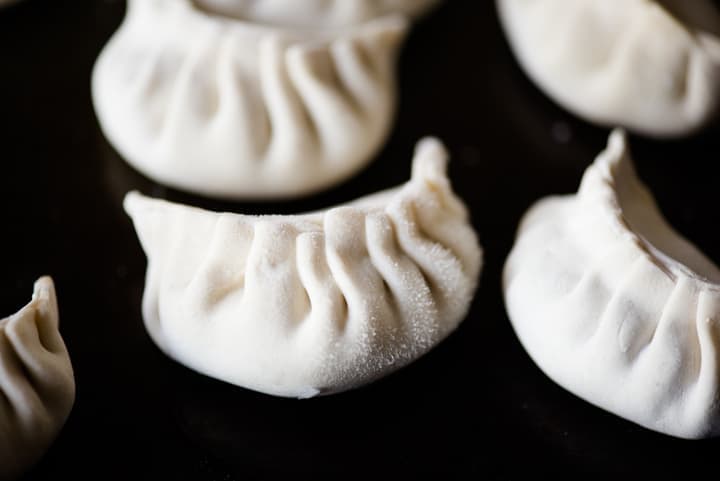
Reviving your favorite dim sum can truly feel magical when you know the right way to do it. It’s all about maintaining that delightful food texture while unlocking those familiar, mouthwatering flavors.
-
- This method retains steam and softness just like the dim sum you’d get from the kitchen, highlighting the importance of food labeling, portion control, thawing techniques, fresh ingredients, and food texture.
Culinary Tips For Flavor Retention
Keeping your dishes delicious is all about a few handy tricks. Embracing the science behind food freshness can make a world of difference, especially when it comes to preserving those vibrant tastes you love.
Freezing can alter the quality of your meals, but with the right preparation, you can lock in the goodness.
Cooling your dishes before freezing is key; it helps prevent moisture buildup and protects against unwanted freezer burn.
Let’s talk about storage solutions, shall we? Picking the right containers is just as important for flavor enhancement.
Make sure your food is sealed tightly to keep all those rich flavors where they belong. When you organize your meals in the freezer, think about their arrangement; it can greatly affect how well your food retains its delightful taste. Now, when considering factors like dipping sauces, food freshness, cooking time, meal convenience, and flavor enhancement, it’s clear that each element plays a crucial role in creating a satisfying dining experience.
Smart Food Labeling For Meal Preservation
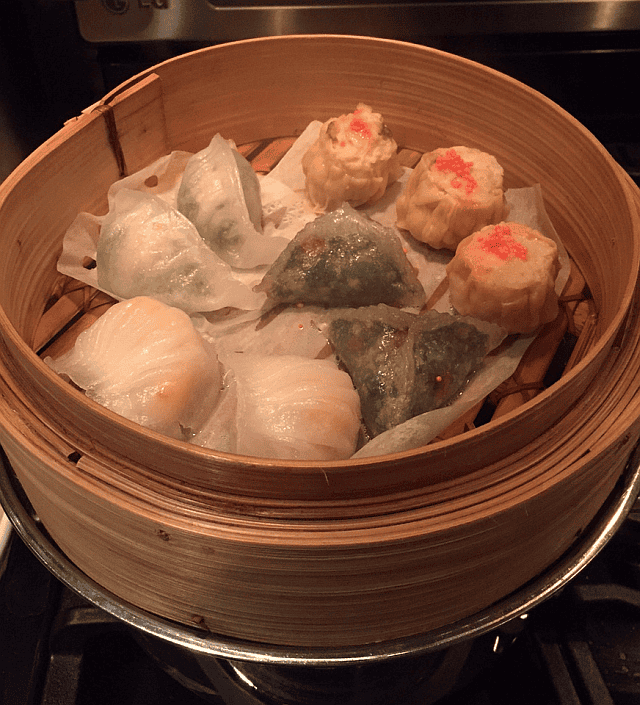
Keeping track of your meals can elevate your cooking game and preserve the flavors you love. For instance, marking the date on your gourmet dim sum helps maintain food quality while minimizing waste.
Clearly labeling when you made a dish lets you savor it at its freshest.
Plus, you can prioritize meals that need to be enjoyed sooner.
Adding simple descriptions makes it super easy to choose what to eat when hunger strikes. You might even enjoy a little kitchen hack with color coding; it turns meal selection into a fun game!
To keep those labels intact and ensure your culinary creations stay at their best, go for waterproof markers or use label pouches. Organizing everything in your freezer not only looks tidy but also plays a big role in preserving food quality, especially when it comes to gourmet dim sum, by helping maintain taste and following proper reheating guidelines.
Meal Tracking and Food Quality
- Labeling food with dates can reduce waste by ensuring meals are consumed at their peak freshness.
- Organized freezers help maintain food quality and prevent freezer burn, which can alter taste.
- Using waterproof markers or label pouches ensures that meal information remains clear and intact.
- Color coding can make meal selection more enjoyable and encourage creativity in the kitchen.
Conclusion
Keeping your homemade dim sum tasting fabulous is simpler than it seems. Proper storage plays a big role in maintaining those delicious flavors.
Using airtight containers can really help limit air exposure, which can affect your dim sum’s taste.
When it comes to reheating, consider steaming instead of relying on microwave cooking; it’s a fantastic way to achieve that restaurant-style dim sum texture.
This method locks in moisture, so it feels like you just made it fresh. Plus, if you’re thinking long-term, freezing your dim sum is often a better choice than refrigeration because it helps preserve quality.
With these handy culinary techniques in place, every time you dig in, it’ll feel like you’re enjoying a little piece of heaven right at your table


