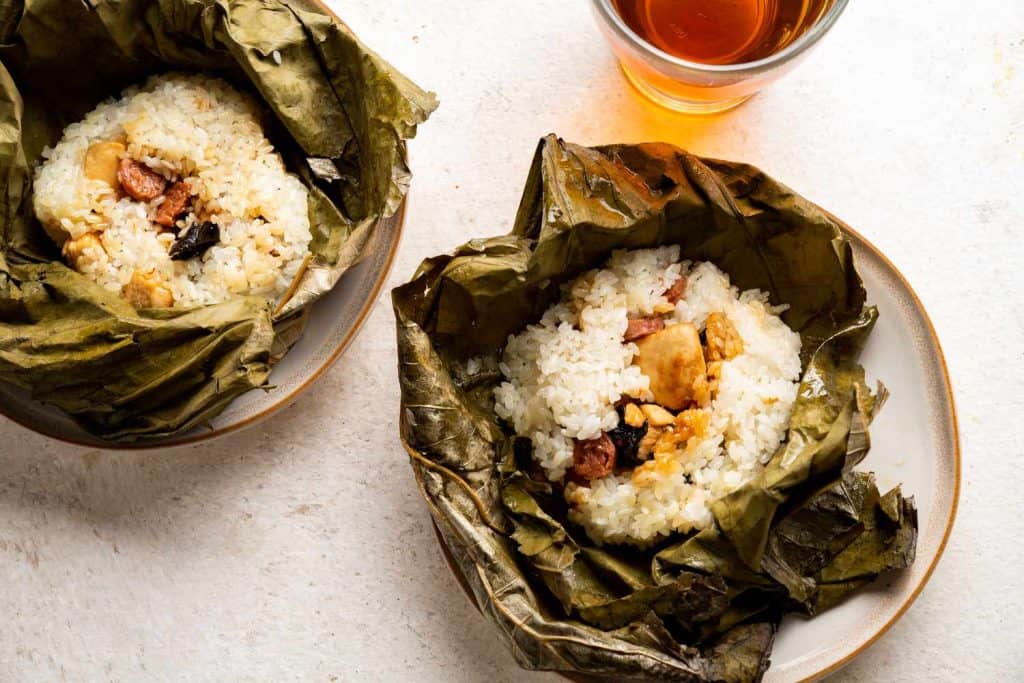
If you’re looking to spice up your next meal, you’ve stumbled upon a gem from Chinese cuisine! This delightful dish brings together the wonderful flavors of sticky rice and tender chicken, all wrapped snugly in banana leaves. It’s like a warm hug for your taste buds.
To kick things off, gather some high-quality sticky rice to give your dish that perfect chewy texture.
Marinating your chicken beforehand adds a burst of flavor that really elevates the experience. Don’t skimp on the seasonings either; they’re the secret to making this steamed dish of sticky rice and chicken shine in your dim sum spread.
Choosing The Right Sticky Rice
Finding the perfect variety of rice can truly elevate your lo mai gai game. You’ll want to seek out a type that has that wonderful sticky quality, and nothing quite matches the charm of glutinous rice.
This rice variety is fantastic because it will hold your tasty filling together beautifully, especially when you decide to wrap everything in banana leaves or serve it in a bamboo steamer.
Among the options, short-grain varieties shine with the best texture for your dish.
Soaking your rice before cooking is also a great step, as it enhances that delightful stickiness. Don’t hesitate to explore different brands; you might discover flavors that really excite your palate, making every bite of your lo mai gai a memorable experience.
What Ingredients For Traditional Lo Mai Gai
Let’s dive into the ingredients that make this traditional recipe shine. Each component plays a role in bringing those classic Asian flavors to life, creating a savory snack you won’t soon forget.
- Sticky Rice: The star of the dish! Be sure to grab glutinous rice; it’s key for that perfect chewy texture that everyone loves.
- Chicken: Tender pieces of marinated chicken add a savory richness. A hint of seafood brings in an umami-packed twist, making this recipe a delicious blend of Asian flavors that offers a savory snack rooted in traditional culinary techniques.
Traditional Asian Recipes
- Glutinous rice is essential for achieving the desired chewy texture in many Asian dishes.
- Marinating chicken enhances its flavor and tenderness, making it a popular choice in Asian cuisine.
- Umami, often described as the fifth taste, is a key element in Asian cooking, often derived from seafood or fermented ingredients.
- Traditional culinary techniques are crucial in preserving the authentic flavors and textures of Asian recipes.
Preparing Banana Leaves For Wrapping
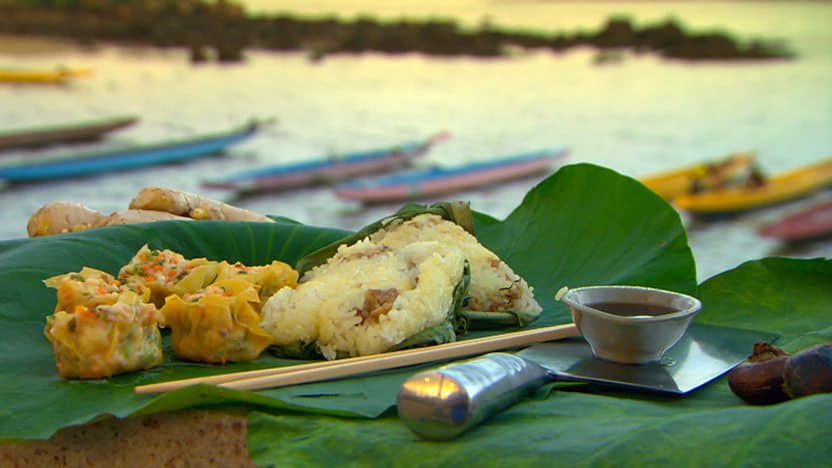
Getting those beautiful leaves ready for your culinary creation opens up a world of flavor and presentation possibilities. Using these fragrant leaves not only enhances your dish’s taste but also adds a stunning visual element to your table.
Selecting the right size of leaves is important.
You’ll want to choose large, fresh leaves that can comfortably hold your filling without any risk of tearing.
Vibrant green leaves will elevate the food presentation, giving your dish a fresh and enticing appeal.
Now, let’s dive into the preparation process.
Gently clean each leaf to remove any dirt. To make them more pliable, steam or blanch them briefly.
This simple step helps to avoid tearing when wrapping and ensures that your dim sum turns out beautifully. When it comes to wrapping marinated ingredients in a fragrant bamboo basket for food presentation, the choice of a dipping sauce can elevate the dish to new heights.
How To Marinate Chicken Correctly
Getting that savory depth in your dish can truly make a difference. A little time spent soaking your chicken in a flavorful mix transforms it into something special.
Start by selecting your favorite ingredients, mixing together savory, sweet, and umami flavors.
Achieving balance is key—aim for a nice touch of saltiness, acidity, and sweetness to make your taste buds sing.
For marinating, grab a resealable bag or a glass container to ensure everything is coated evenly. Pop it in the fridge and let it work its magic for a few hours; around 2-4 hours is perfect for those juicy chicken thighs. The preparation is straightforward and incredibly rewarding, especially when you think about how it enhances your rice dumpling or any wrapped dish through careful selection of ingredients and cooking method.
| Marinade Ingredients | Marinating Time | Cooking Method Benefits |
|---|---|---|
| Savory, sweet, and umami flavors | 2-4 hours in the fridge | Enhances flavor in dishes like rice dumplings |
| Saltiness, acidity, and sweetness balance | Even coating in a resealable bag or glass container | Transforms chicken into something special |
Understanding The Cooking Method For Steamed Dish
There’s something truly delightful about cooking with steam. It not only keeps your ingredients tender but also allows their natural flavors to shine through, just like in classic dishes such as lo mai gai.
To embark on your steaming adventure, you’ll want to gather a few handy tools.
A bamboo steamer or a metal steaming rack can work wonders, and don’t forget to line it with parchment paper to keep everything from sticking.

Preparation is where the magic begins! Start by rinsing your rice until the water runs clear, which helps create that perfect texture.
Wrapping your savory filling tightly not only enhances the flavor profile but also adds to a beautiful presentation that will impress anyone. Plus, think of the cultural heritage that comes alive through the tender, savory filling and garnishing that enhance the flavor profile of each dish.
Tips For Flavorful Filling In Lo Mai Gai
Are you excited to elevate your lo mai gai with a burst of flavor infusion? The secret lies in the filling, where a little creativity can make all the difference. Just a handful of quality ingredients can transform this beloved street food into something extraordinary.
Choose Quality Ingredients: Fresh, high-quality meats and vegetables are a must.
Opt for lean chicken or pork, and don’t forget about mushrooms or shrimp—they add a delightful depth to this popular snack food.
Use Flavorful Marinades: Marinating your proteins is a game-changer. A mix of soy sauce, sesame oil, and a hint of sugar works wonders. Let those ingredients mingle, creating a delightful fusion of flavors that elevates your snack food into a vibrant street food experience, perfect for communal dining or effortless meal prep.
Elevating Lo Mai Gai
- Using fresh ingredients can enhance the nutritional value and flavor profile of the dish.
- Marinades not only add flavor but also help tenderize proteins, making them more enjoyable to eat.
- Incorporating a variety of ingredients, such as mushrooms or shrimp, can create a more complex and satisfying taste experience.
- Communal dining encourages sharing and enhances the overall enjoyment of the meal.
Ideal Presentation Style For Serving
Creating a stunning display for your lo mai gai can truly elevate your dining experience, so consider the texture and colors of your ingredients to make the dish more inviting. Start by incorporating fresh, vibrant components that work harmoniously together.
The contrast between the sticky rice and savory fillings stands out beautifully, making everything more appetizing.

For an authentic touch, using bamboo leaves for food wrapping will not only beautify the plate but also infuse rich flavors.
Presenting your lo mai gai on traditional dishware can really immerse your guests in the culture, showcasing the regional specialties of this beloved dish. As you transition from focusing on flavor to presentation, remember that how you serve can connect your diners to the stories behind each aromatic dish assembly, showcasing regional specialties, the texture of food wrapping, and the artistry involved.
Exploring Cultural Heritage Of Dim Sum
There’s a world of stories wrapped in each savory treat, waiting to be discovered. Rooted in Cantonese tea culture, this culinary tradition has blossomed into an endearing global favorite.
Family gatherings often center around these delightful morsels, creating a warm atmosphere of connection and sharing.
With every bite, from fluffy buns to finely crafted dumplings, we get a taste of history and culture.
Seasoning plays a significant role, with soy sauce often enhancing the flavors just right. During festive occasions, these authentic dishes take center stage, weaving memories that link generations together.
Let’s explore how the artistry behind these creations shapes this remarkable culinary experience.
Cantonese Culinary Tradition
- Cantonese tea culture dates back centuries, influencing various culinary practices.
- Family gatherings centered around food foster connection and strengthen relationships.
- Seasoning, particularly soy sauce, is crucial in enhancing the flavors of traditional dishes.
- Festive occasions often showcase authentic dishes, creating lasting memories across generations.
Conclusion
Life’s little pleasures often come wrapped in flavors and experiences. As we reflect on our culinary journey, it’s clear how important high-quality ingredients such as scallions and shiitake mushrooms can transform a simple meal.
These fresh elements not only boost the taste but also elevate your presentation style, making every dish a feast for the eyes.
Whether you’re leaning towards a protein source or a vibrant vegetarian option, the magic lies in embracing the process. show off your skills with a variety of fillings like scallions, shiitake mushrooms, and a protein source, ensuring there’s a delicious vegetarian option and a stunning presentation style for everyone to enjoy.


