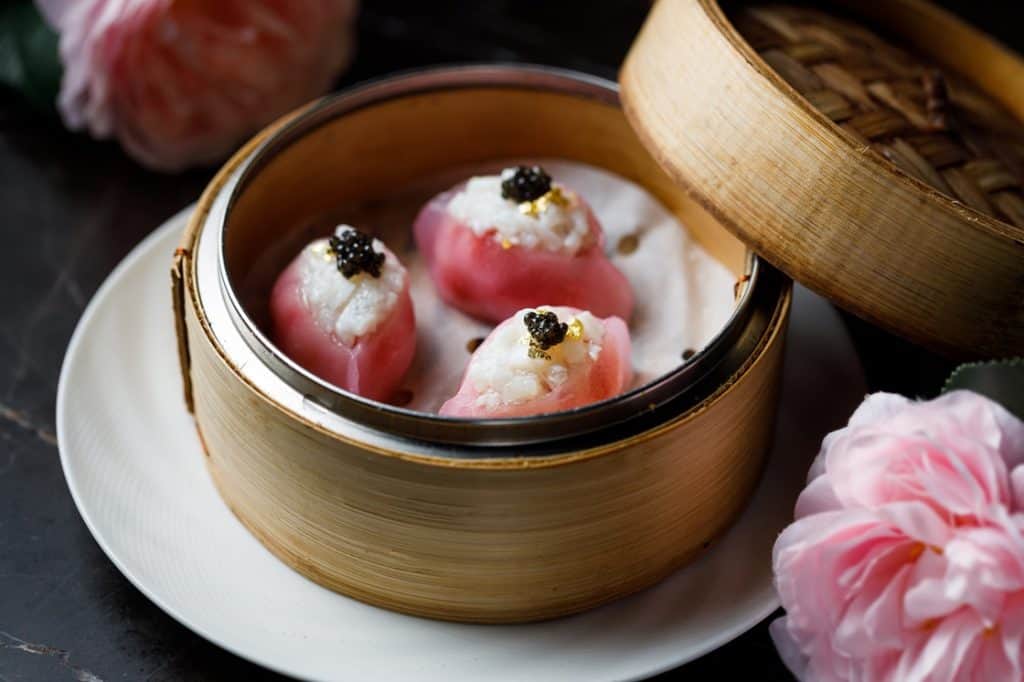
Exploring the delightful world of dumplings reveals rich variations influenced by their origins. The culinary scene in Hong Kong is renowned for its stunning variety, featuring items like har gow and delicate steamed buns, served in vibrant, bustling settings that invite you in.
On the other hand, Guangzhou sticks to its roots with an emphasis on time-honored Cantonese cuisine, offering a true taste of tradition.
Each region showcases its unique spin on these beloved dishes, promising an experience that’s distinct yet equally satisfying. For instance, the presentation in Hong Kong leans towards artistic and innovative, while Guangzhou shines a light on deep flavors and simple Cantonese cuisine, featuring steamed buns, dumplings, siu mai, and har gow.
| Aspect | Hong Kong Dim Sum | Guangzhou Dim Sum |
|---|---|---|
| Cultural Setting | Urban, fast-paced dining culture with global influences | Traditional, relaxed tea culture (yum cha) |
| Dining Times | All-day dim sum (breakfast, lunch, dinner, late-night) | Primarily morning to early afternoon (classic yum cha hours) |
| Menu Variety | Extensive menus, often modern and seasonal | Focused menus rooted in tradition |
| Presentation Style | Elegant plating, smaller portions, refined visuals | Rustic and hearty, larger portions |
| Popular Dishes | Liu Sha Bao, XO turnip cake, truffle siu mai, baked BBQ pork buns | Har gow, classic siu mai, lotus leaf sticky rice, steamed char siu bao |
| Flavor Profile | Subtle with refined layers, less oily, sometimes sweet-savory combos | Richer, heavier, more umami, with generous use of lard |
| Use of Ingredients | More experimental: foie gras, caviar, scallops, abalone | Local staples: shrimp, pork, taro, salted egg, chicken feet |
| Fusion Influence | High – includes Japanese, French, and Western infusions | Low – adheres closely to Cantonese heritage |
| Dessert Options | Creative: egg custard tarts with mille-feuille, mango rolls | Traditional: sesame balls, red bean buns, steamed egg custard |
| Tea Culture | Often modernized or replaced with other drinks like milk tea | Strong adherence to tea pairings (Pu-erh, Chrysanthemum, Tieguanyin) |
| Restaurant Ambience | High-end venues, Instagrammable interiors, luxury teahouses | Classic dim sum halls, banquet-style tables, elderly clientele |
| Speed of Service | A la carte, quick service, modernized ordering (QR codes, tablets) | Traditional trolley service or menu checkmarks |
| Price Range | Higher due to city costs and ingredient choices | Generally more affordable and portion-heavy |
| Portion Sizes | Smaller, bite-sized elegance | Larger, designed for family-style sharing |
| Export/Global Appeal | Highly influential globally – benchmark for modern dim sum | Less internationally represented but authentic |
Culinary Tradition Of Dim Sum
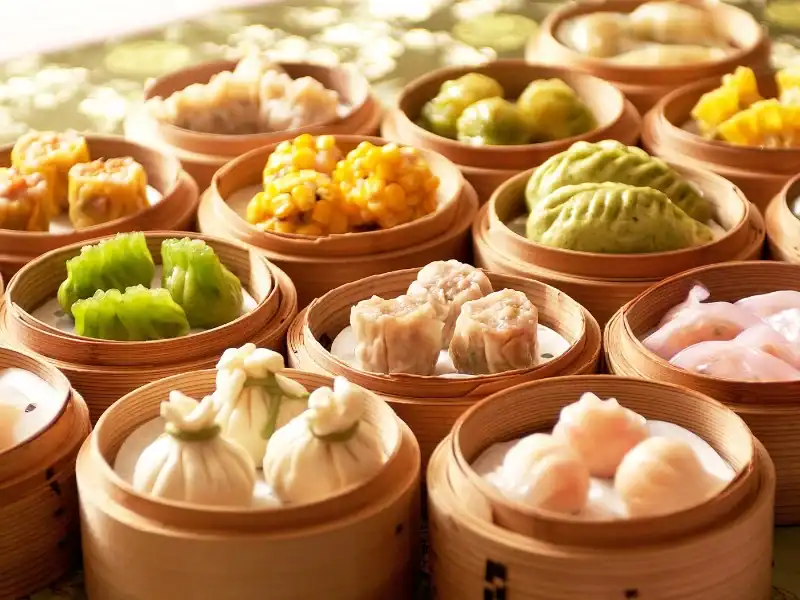
When you think of delightful bites, it’s hard not to appreciate the rich history behind this culinary experience. Originating in tea houses, the heart of these gatherings is the tea service, which sets the stage for sharing good food and great company.
Over time, this tradition blossomed into an inviting spread of flavors and textures, featuring favorites like xiaolongbao bursting with savory broth, and fluffy char siu buns.
Different regions put their own spin on these dishes, giving each visit a fresh perspective.
Sitting down for a meal is more than just satisfying your appetite; it’s an immersion into a cultural ritual, fostering connections and celebrating community. And don’t skip the rice rolls—they’re a must-try! Enjoying these comforting bao, along with the delightful xiaolongbao, savory char siu, and refreshing tea service, will make for an unforgettable meal.
What Makes Steamed Buns Unique
There’s something undeniably special about those fluffy delights that grace our plates, especially when we dive into the world of dim sum. Each bite is a soft, pillowy treat that simply melts in your mouth, especially if you choose a filling like juicy pork dumplings or crisp vegetables.
The rich variety of flavors tucked away inside these creations showcases the culinary diversity found in different regions.
You might come across a delicious shrimp dumpling filling or something bolder, depending on your culinary adventure.
These treasures often take center stage during family gatherings, symbolizing togetherness and the joy of celebration. When served from dim sum carts, they create a communal experience that invites everyone to share and savor together, enhancing the joy of the meal. As we explore the flavors of congee, dim sum carts, bamboo steamer shrimp dumplings, and pork dumplings, we embark on a culinary journey that delights the senses.
| Dim Sum Variety | Common Fillings |
|---|---|
| Pork Dumplings | Juicy pork filling |
| Shrimp Dumplings | Delicious shrimp filling |
| Vegetable Dumplings | Crisp vegetable filling |
| Cooking Method | Bamboo steamer |
Exploring Flavor Profiles Of Dumplings
Who doesn’t love a good bite that brings a world of flavors to your plate? These little pockets of joy serve as an incredible opportunity to explore culinary traditions. Take chive dumplings, for example—they’re filled with that irresistible savory punch that can whisk you away to bustling markets.
Venturing into other regions, you’ll stumble upon sesame balls, which elegantly combine sweet and nutty elements, making them a delightful treat.
The beauty of each type lies in its fillings, often crafted from local ingredients, turning every bite into a mini cultural adventure.
And let’s talk about that soy sauce—just a splash can really amplify those rich and intricate flavors, enhancing your dining experience like nothing else.
Shifting gears from dumplings to steamed buns, it’s fascinating how each type of dim sum, like fried dough, sesame balls, chive dumplings, sticky rice, and soy sauce, brings its own unique flavors and textures to the table.

The Art Of Tea Service In Hong Kong
Stepping into a tea house in Hong Kong is like entering a cozy, aromatic sanctuary. The whole experience is steeped in the culinary tradition of this vibrant city.
From the moment you’re greeted with a warm towel, you can feel the care woven into every ritual.
A quick splash of hot water in the teapot not only prepares the leaves but also honors their quality.
As you settle in, the regional variations of tea available start to draw you in, with Oolong and Pu-erh often stealing the spotlight. Sipping your tea is an adventure that complements the delightful dim sum, creating a seamless harmony of flavors and textures that enhance the overall food culture here.
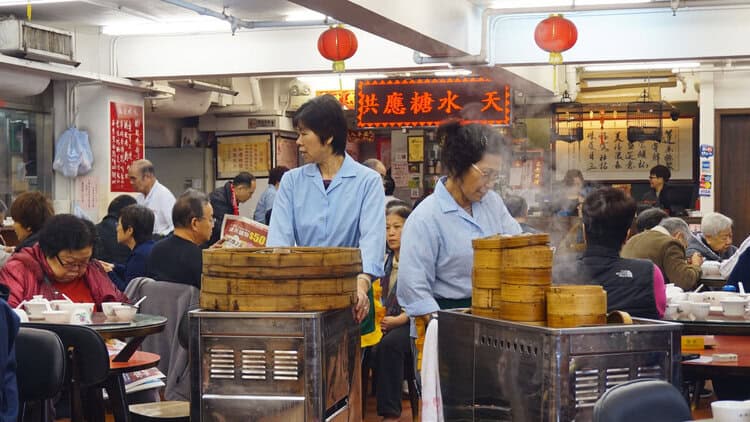
It’s a beautiful connection that invites you to savor each moment, especially as you enjoy a vinegar dip at a tea house, celebrating the rich culinary tradition and regional variations that define our diverse food culture.
| Experience Element | Description |
|---|---|
| Warm Welcome | Guests are greeted with a warm towel, enhancing the cozy atmosphere. |
| Tea Preparation | Hot water is splashed in the teapot to prepare the leaves and honor their quality. |
| Popular Teas | Oolong and Pu-erh are highlighted as regional favorites. |
| Food Pairing | Tea complements delightful dim sum, creating a harmonious dining experience. |
Har Gow Vs Xiaolongbao Taste Test
Dim sum is a delightful journey, especially when two small plates stand out like stars in a culinary heritage galaxy. Each dumpling brings its own flair, reflecting the rich culinary heritage of Chinese cuisine.
Har gow dazzles with its translucent, pleated skin, cradling a fresh shrimp filling that’s a joy to savor.
On the flip side, xiaolongbao reveals a savory surprise—a rich, broth-filled interior that bursts with bold flavor profiles.
This taste test not only aims to uncover their visual appeal but also delves into the preparation techniques that elevate each dumpling’s charm. Have you had the chance to indulge in these delightful treats? Let’s see which one captures your taste buds!
Texture plays a significant role here, too. Har street food often showcases small plates that celebrate culinary heritage while providing a rich dining experience filled with diverse flavor profiles.
Understanding Regional Variations In Dim Sum
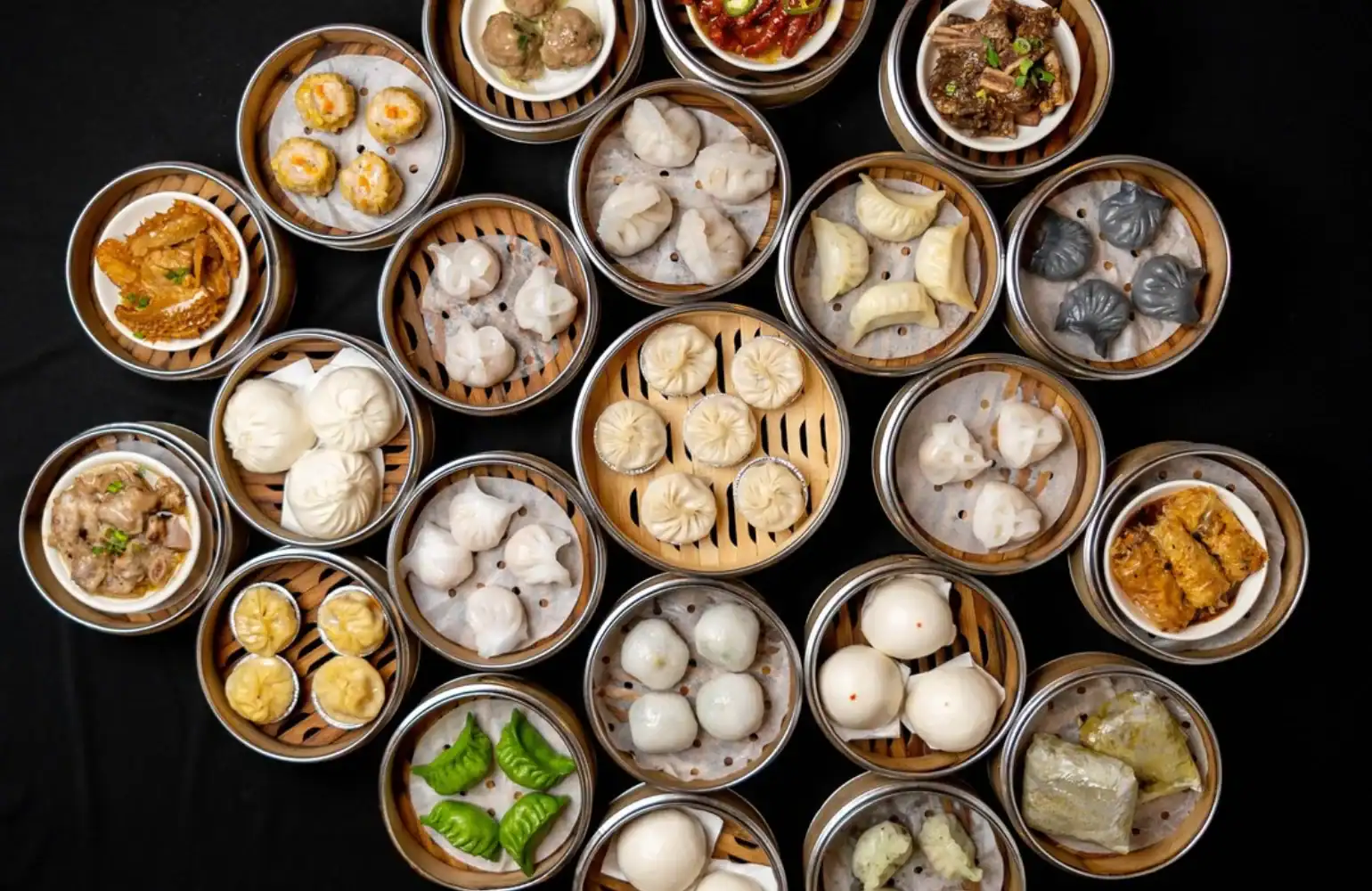
When it comes to this flavorful delicacy, every region has its own special take, turning each dish into a unique experience. For instance, if you’re indulging in a meal in Hong Kong, expect a delightful array of steamed options filled with unique fillings that surprise your palate.
Head over to Guangdong, and you’ll be greeted with crispy textures and rich, savory flavors that truly showcase local culinary techniques.
Now, let’s not forget Shanghai, where dumplings take a sweeter spin, enchanting food tourists seeking something different.
Each bite tells a story of culture and tradition, making your gastronomic journey all the more exciting.
| Region | Unique Features |
|---|---|
| Hong Kong | Delightful array of steamed options with unique fillings |
| Guangdong | Crispy textures and rich, savory flavors showcasing local culinary techniques |
| Shanghai | Dumplings with a sweeter spin, appealing to food tourists |
Food Culture Surrounding Dim Sum Carts

You step into a lively restaurant, the air filled with the delicious aroma of steaming dumplings and noodles. Those colorful carts rolling by aren’t just a method of serving; they embody a vibrant aspect of restaurant culture.
Each cart is like a treasure chest, highlighting local specialties packed with flavor combinations that tease your taste buds.
The visual appeal is captivating—the mix of textures and colors creates an irresistible invitation to dig in.
Food critics often rave about the freshness and craftsmanship behind each dish, transforming a simple meal into a delightful culinary experience. So, when you spot those carts next time, remember they offer more than just food; they foster connections among people, celebrating authentic cuisine in its most joyous form.
Explore the vibrant restaurant culture that celebrates local specialties, innovative flavor combinations, and the discerning opinions of food critics, all while honoring the essence of authentic cuisine.
Casual Dining Vs Gourmet Dining Experiences
Choosing where to dine can really set the tone for your meal. If you’re in the mood for a relaxed atmosphere, you might find yourself savoring some delicious handmade noodles with friends or family.
It’s the kind of setting where you can kick back and enjoy tasty dishes without stressing over the check.
Now, if you’re craving a memorable culinary experience, you may look towards gourmet options that offer an artistic flair in presentation and the best ingredients.

Picture yourself indulging in a tasting menu, where every dish is a masterpiece designed to surprise your palate with culinary innovation. a cozy dinner featuring traditional recipes or celebrating a special occasion at an upscale restaurant? Either way, each dining experience has its own unique charm, whether it’s the delightful surprise of a tasting menu, the vibrant atmosphere of food festivals, or the comfort of handmade noodles crafted with culinary innovation.
Dining Experiences
- Relaxed dining atmospheres promote social interaction and enjoyment, enhancing the overall meal experience.
- Gourmet dining often features tasting menus that showcase culinary innovation and creativity, appealing to food enthusiasts.
- Traditional recipes provide comfort and nostalgia, making them popular choices for cozy dinners and special occasions.
- Food festivals create vibrant atmospheres that celebrate diverse cuisines and foster community engagement.
Conclusion
Exploring the world of dim sum can be an exhilarating adventure for your taste buds. Each dish you try reflects a tapestry of cultural influences, making every bite an opportunity for flavor exploration.
No matter where you are, from the lively streets of Guangdong to the trendy dim sum eateries in San Francisco, there’s always a story behind your meal.
While savoring these culinary delights, it’s intriguing to consider how dining etiquette can enhance your experience.
Understanding a few local customs can truly elevate your enjoyment, whether it’s how to properly enjoy your tea or choosing the right dish to complement your palate preferences. So, why not take a taste test and step outside your comfort zone? You might be surprised at what new favorites await you on your journey of flavor exploration, where dining etiquette meets diverse palate preferences and gourmet dining experiences.


