
Imagine indulging in a delightful culinary experience where each bite surprises your taste buds. Now, blend those comforting sensations with the artistry of Japanese cuisine! When you explore the unique world of dim sum, you’re not just tasting familiar dishes; you’re diving into a fusion that’s both exciting and mouthwatering.
The combination of flavors, from savory gyoza to perfectly crafted baozi, offers a fun adventure for your palate.
Modern dim sum menus are a feast for the senses, featuring innovative takes like shumai filled with unexpected ingredients or tempura-inspired toppings. These dishes often incorporate traditional Japanese elements such as sushi, baozi, gyoza, shumai, mochi, and tempura.
| Category | Japanese Influence / Style | How It Connects to Traditional Dim Sum |
|---|---|---|
| Cultural Entry Point | Via Chinese immigrants, Yokohama Chinatown, and fusion cuisine in modern izakayas | Rooted in Cantonese dim sum, adapted for Japanese palates and ingredients |
| Commonly Found In | Chinatown restaurants, izakayas, bento shops, convenience stores (konbini) | Dim sum traditionally found in tea houses and Chinese restaurants |
| Popular Dishes | – Gyoza (pan-fried dumplings) – Nikuman (steamed buns) – Harumaki (spring rolls) | – Jiaozi/Siu Mai – Baozi – Chun Juan (春卷) |
| Gyoza vs Dim Sum | Gyoza has thinner wrappers, more garlic, often pan-fried | Dim sum dumplings like har gow/siu mai are typically steamed and more delicate |
| Nikuman vs Baozi | Nikuman filled with pork and onion, sometimes curry or cheese; found in convenience stores | Baozi often have BBQ pork, lotus paste, or savory fillings |
| Seasoning Style | Soy sauce, mirin, sake, miso, ginger, garlic | Oyster sauce, soy sauce, sesame oil, Shaoxing wine |
| Presentation | Clean, minimal plating; bento boxes; served as side dish | Bamboo steamers, small plates, shared over tea |
| Vegetarian Options | Common in bento and izakaya (e.g., mushroom gyoza, tofu-filled nikuman) | Dim sum also offers veggie bao, taro dumplings, and tofu skin rolls |
| Dipping Sauces | Soy sauce with rice vinegar and chili oil; sometimes ponzu | Soy-vinegar blend, XO sauce, hoisin, mustard |
| Texture Preferences | Chewy or crispy (e.g., gyoza has crispy base); balanced with soft fillings | Wide range—gelatinous (har gow), chewy (cheung fun), crispy (spring rolls) |
| Japanese Original Creations | – Curry Nikuman – Pizza Gyoza – Matcha Custard Buns | These are modern, convenience-style variations inspired by traditional dim sum |
| Dining Context | Side dish, bar snack (izakaya), or warm treat from konbini | Social brunch/lunch (Yum Cha) with tea |
| Fusion Examples | – Dim sum with miso soup – Sushi-style siu mai – Wasabi gyoza | Rare in traditional dim sum settings |
| Japanese-Chinese Cuisine | Chūka ryōri (中華料理) – Japanese-style Chinese food (adapted flavors, simplified prep) | Based on authentic Chinese regional cuisines |
| Notable Chains | 551 Horai (famous for Nikuman), Gyoza no Ohsho (Japanese-Chinese food chain) | Tim Ho Wan, Din Tai Fung, Maxim’s (in traditional dim sum circles) |
Exploring Dim Sum And Sushi
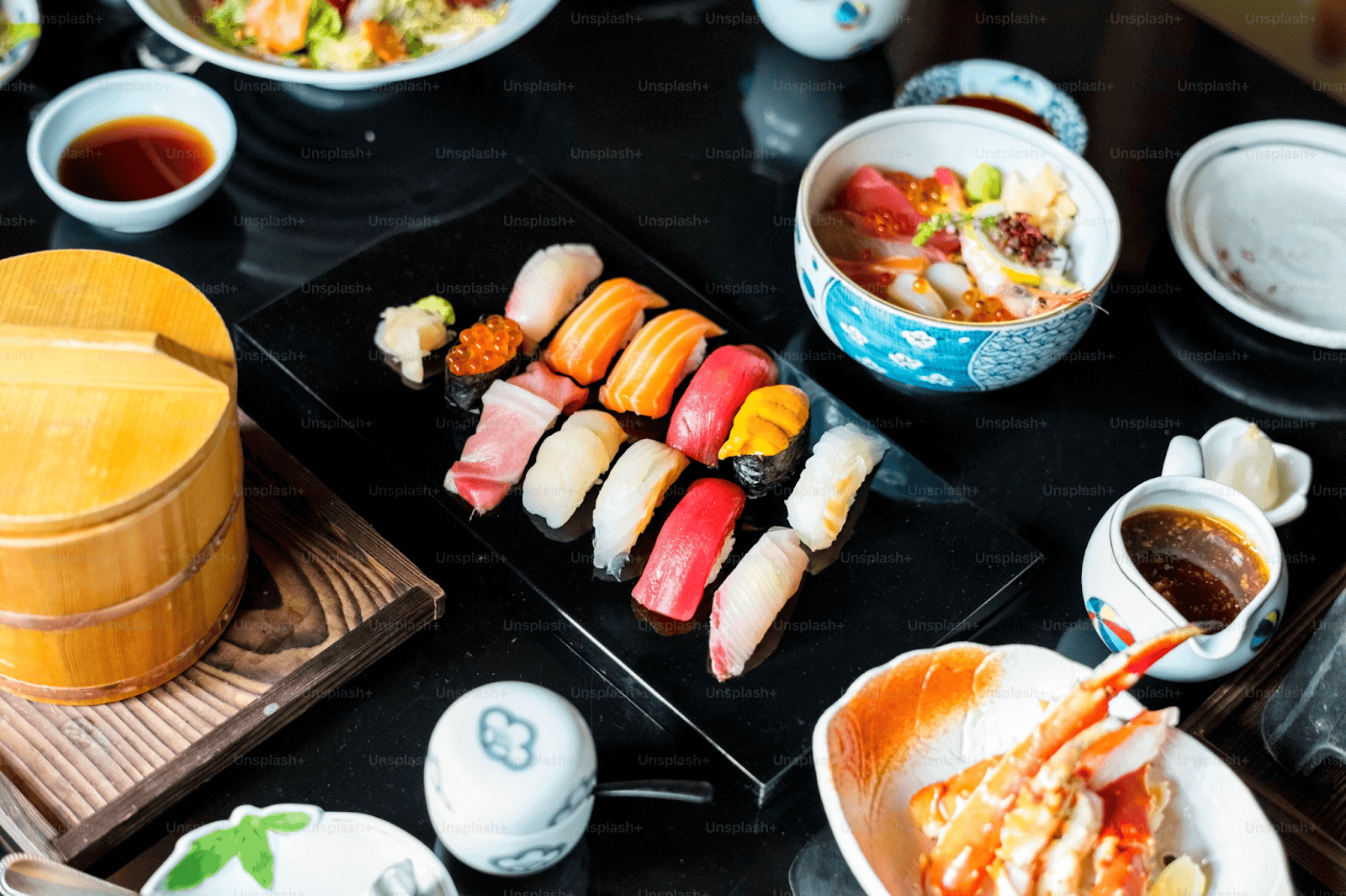
You’re gathered around a table filled with an array of delicious bites, each one more tempting than the last. The vibrant world of small plates invites you and your companions to delve into a culinary adventure.
Think about the joy of sharing dumplings, each one bursting with flavor, as laughter fills the air.
Meanwhile, the artistry of sushi presents fresh ingredients, skillfully rolled into neat, satisfying pieces.
It’s fascinating how these two culinary traditions celebrate food differently. The communal spirit of small dishes brings everyone together, while the meticulous craft of sushi often offers a moment of personal appreciation.
Whether you crave a plate of yakitori grilled to perfection or a refreshing side of edamame for that satisfying crunch, there’s always something new to explore. As we transition from the delightful harmony of Japanese influences in ramen, yakitori, kanom jeen, edamame, dim sum, and izakaya, we embrace a vibrant tapestry of culinary experiences that celebrate the rich diversity of Asian cuisine.
The Role Of Gyoza In Japanese Cuisine
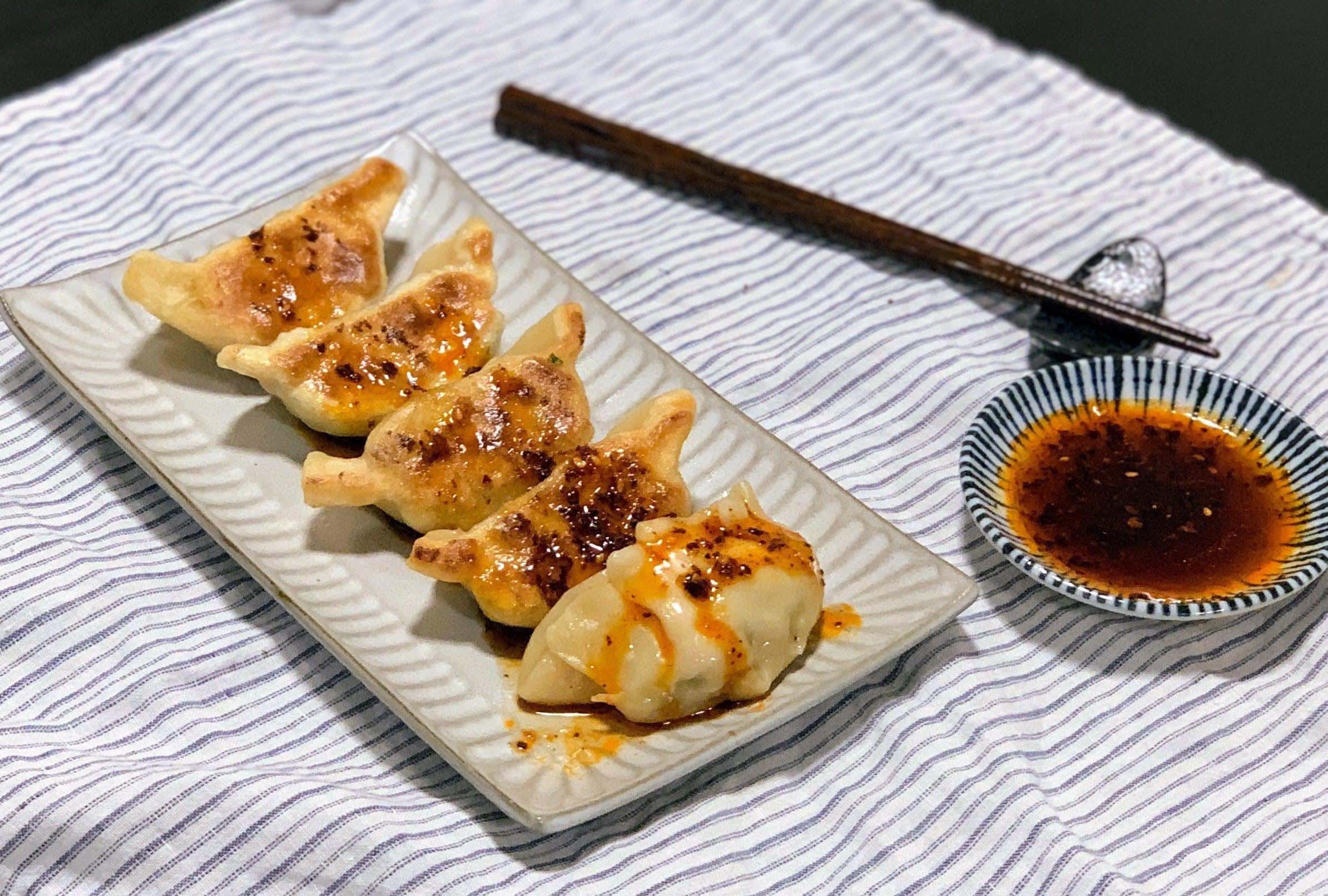
When it comes to Japanese meals, few dishes bring people together quite like these delightful pockets of flavor. Originating from Chinese jiaozi, they have been lovingly adapted with unique tastes and styles.
You’ll often find them gracing dinner tables during family gatherings or festive occasions, where they add a cozy touch to bento boxes and kaiseki experiences.
Typically paired with a soy dipping sauce, they make a perfect match alongside sushi rolls, enhancing the overall dining experience.
Their versatility allows them to shine in both traditional and modern meals, showcasing their lasting charm within Japan’s rich culinary tapestry.
| Dish Type | Origin | Common Occasions | Pairing |
|---|---|---|---|
| Dumplings | Chinese jiaozi | Family gatherings, festive occasions | Soy dipping sauce, sushi rolls |
| Bento boxes | Adapted Japanese style | Everyday meals | Versatile with various dishes |
| Kaiseki | Traditional Japanese cuisine | Special events | Enhances overall dining experience |
How Shumai Influences Dining Culture
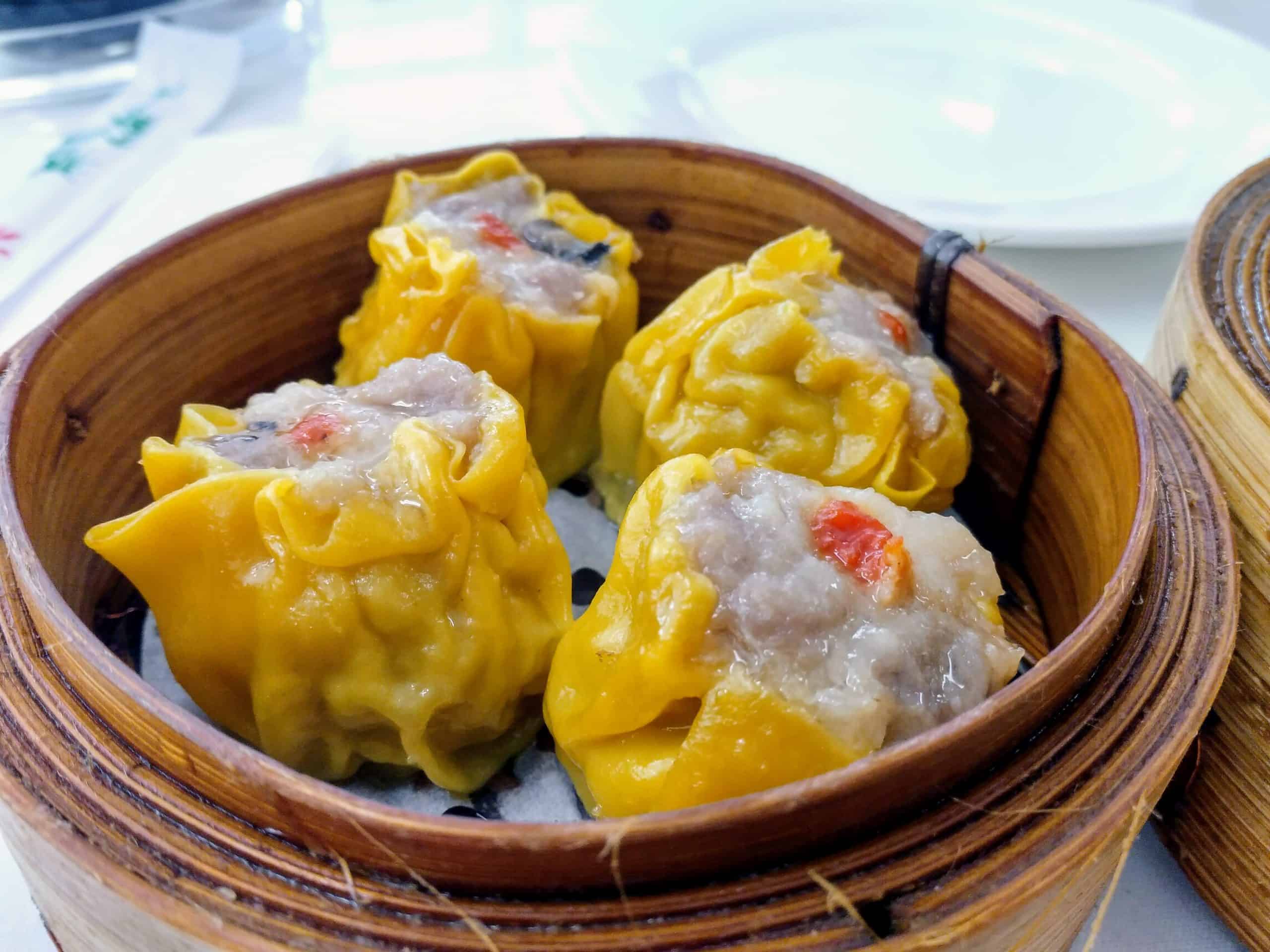
When you think about delightful dining experiences, it’s easy to picture a table filled with a variety of dishes, each one beckoning you to try a little bit of everything. Those irresistible little dumplings known for their communal spirit play a significant role in shaping meal times.
Originating from China, these tasty bites are often filled with pork or shrimp and garnished with a sprinkle of green onions.
Their bite-sized nature makes them perfect for sharing among friends and family, turning ordinary meals into moments of connection and joy.
With each delectable piece, you can’t help but appreciate the blend of culinary traditions.
These dumplings often find themselves paired with other enticing dishes, like yakisoba or even dashi-infused sauces, showcasing how flavors from different cultures can mingle beautifully. Every meal is an opportunity to experience the rich flavors of hijiki, dashi, udon, yakisoba, takoyaki, and okonomiyaki.
The Art Of Pairing Mochi With Dim Sum
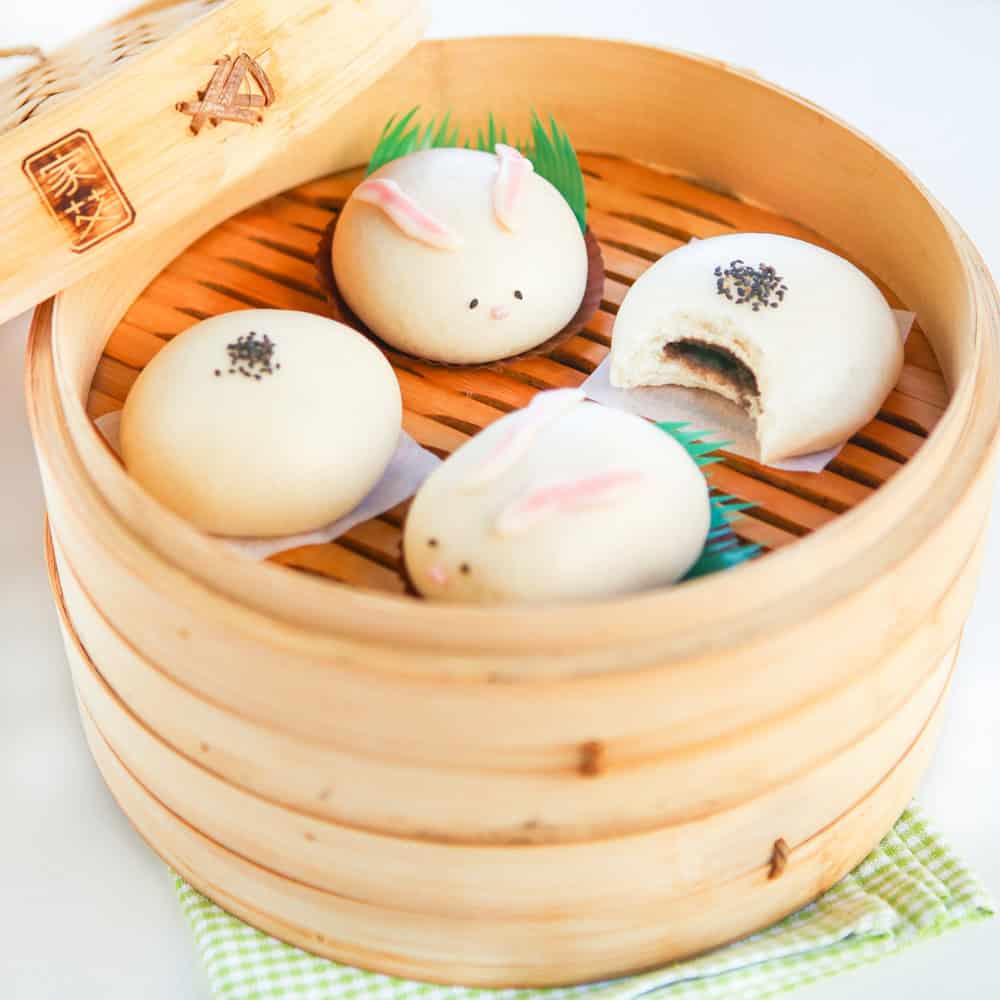
Imagine gathering around a table filled with tantalizing bites, where one dish stands out with its unique charm. Mochi, known for its delightful chewiness, pairs beautifully with various dim sum selections.
Take har gow, for instance; its soft, flavorful shrimp filling complements the tender sweetness of mochi perfectly.
Picture savoring a savory wonton alongside a sweet treat stuffed with red bean paste—the contrast invites your taste buds on an exciting journey.
Don’t shy away from experimenting with flavors like matcha or mango; they can elevate the experience and harmonize well with diverse tastes found in dim sum. Let your culinary creativity shine as you mix and match these beloved options, crafting a delightful feast that respects the rich tapestry of flavors on your table, whether it’s the delicate allure of sashimi and nigiri, the comforting warmth of har gow and wonton, or the robust heartiness of curry rice and soba.
Can Tempura Enhance Dim Sum Experience?
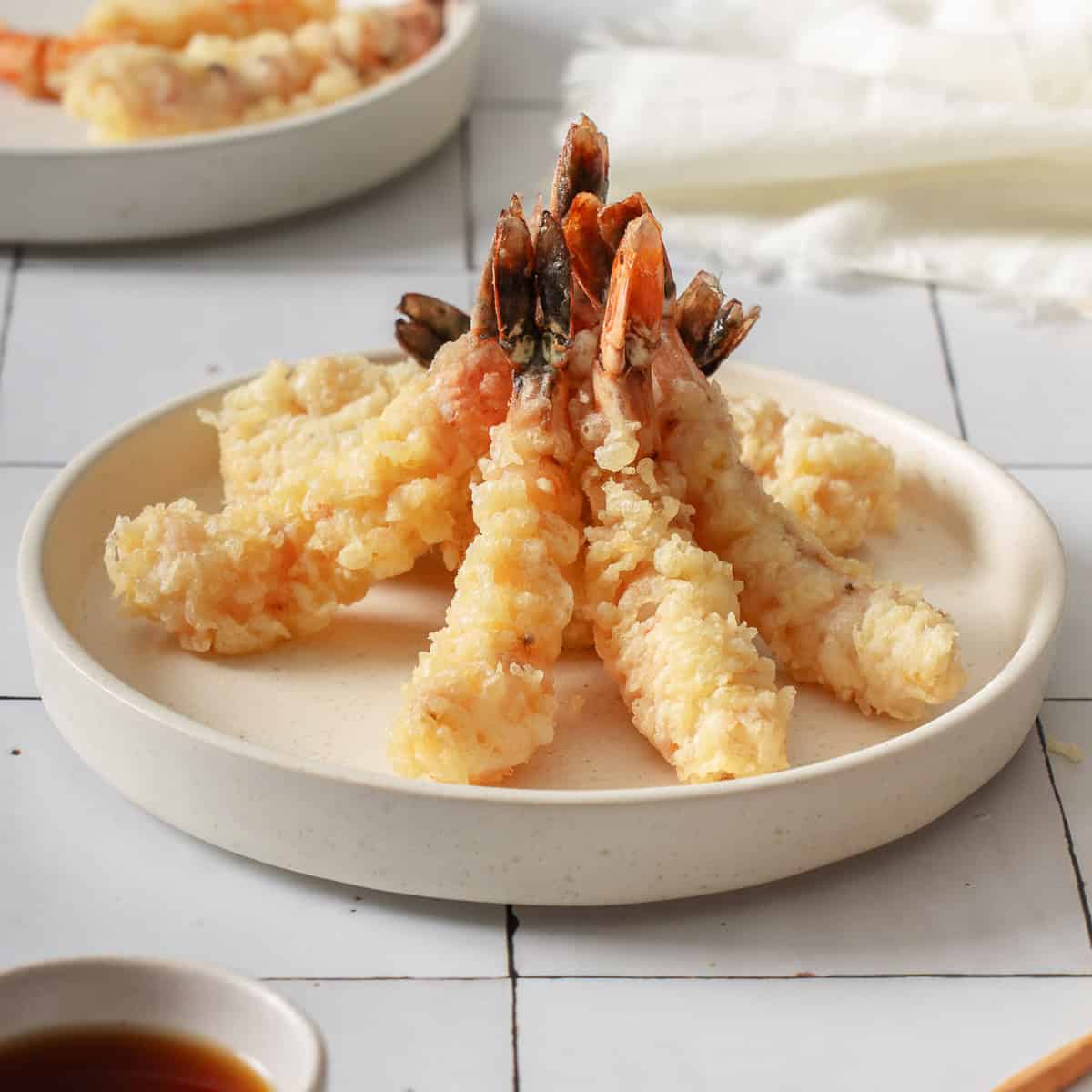
There’s something truly delightful about combining unexpected flavors and textures in your meals. Picture this: you’re enjoying a plate of fluffy bao or savory dumplings, and then you introduce a crispy side of tempura.
The contrast of the airy crunch with the soft, steamed goodness is simply magical.
This Japanese creation, with its light batter and seasoning like furikake, adds a new layer to your dining experience. Have you ever thought about how adding katsu-style elements can elevate your favorite dim sum?
It’s a culinary adventure waiting to unfold, blending the crispiness of katsu with the sweet notes of teriyaki, the umami of nori, and the garnishing touch of furikake, all while savoring a side of yakimeshi and indulging in anpan for dessert.
Understanding Ramens Impact On Japanese Palate
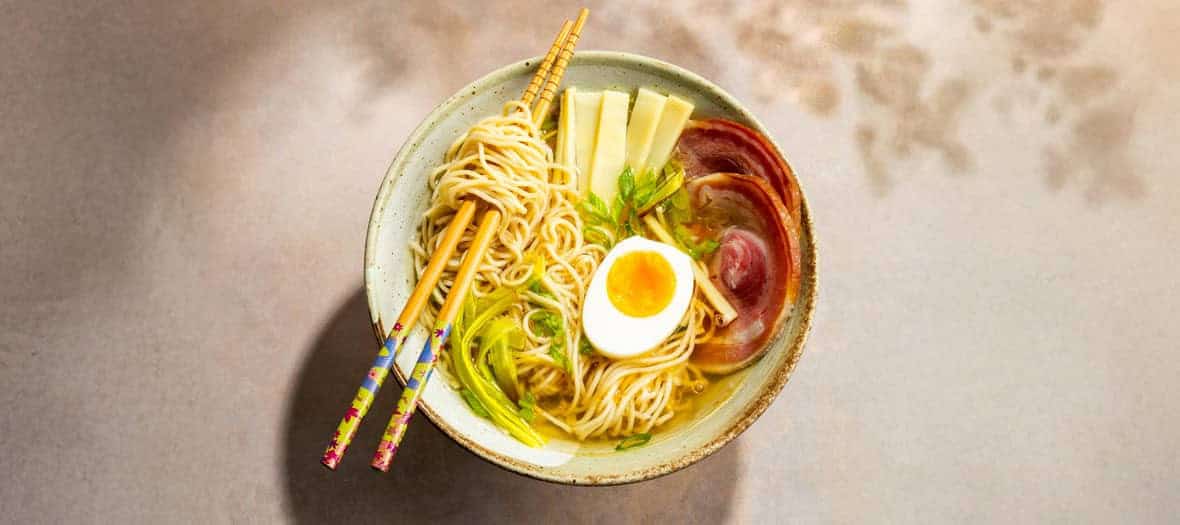
A steaming bowl of noodle soup, filled with rich flavors and comforting warmth. It’s fascinating to consider how a simple dish has captivated so many hearts.
Ramen’s transformation over the years showcases a delightful array of tastes, influenced heavily by regional ingredients.
From the creamy broth of tonkotsu to the savory depth of shoyu, each bowl tells a story.
Have you ever pondered why toppings like chashu or green onions elevate the experience? They add delightful layers, making each sip a little adventure. It’s not just about enjoying a meal; it’s about connecting with a tradition that resonates deeply in Japanese culture.
Ramen’s reach goes beyond just being a comfort food; it gently nudges culinary boundaries, inspiring fusion dishes and sparking creativity in kitchens across Japan. As we dive deeper, let’s explore the intricate flavors of chashu, the tangy notes of ponzu, the calming essence of green tea, the delicate texture of yuba, the vibrant crunch of tsukemono, and the umami richness of katsuobushi.
Ramen
- Ramen originated in China and was introduced to Japan in the early 20th century.
- There are several regional varieties of ramen in Japan, each showcasing unique flavors and ingredients.
- Popular toppings like chashu and green onions not only enhance flavor but also contribute to the visual appeal of the dish.
- The umami flavor profile of ramen is often achieved through ingredients like katsuobushi and other fermented products.
The Fusion Of Yakitori And Dim Sum
Imagine taking a culinary adventure where two beloved traditions come together in a deliciously unique way. Picture those smoky grilled skewers paired with the light, delicate dumplings that offer such a satisfying contrast.
You can even think about adding a hint of shiso to enhance the flavors and elevate the experience.
Each bite is a dance of textures and tastes that’s truly delightful.
This blend of flavors can lead to something quite magical.
The savory notes from the grilled skewers mingle beautifully with the subtle sweetness found in the dumplings, creating a dining experience that’s hard to beat. A splash of mirin can further enhance the overall taste, wrapping everything in a warm embrace.
As you dive deeper into this fusion, consider how it transforms your meals, inviting you to savor each moment more fully.
Enjoy the delightful combination of flavors with dishes featuring shiso, mirin, sake, chirashi, temaki, and narutomaki.
Why Matcha Is Essential In Dim Sum Dining?
Imagine sitting down to a spread of mouthwatering dim sum, with the savory aroma wafting through the air. Adding some matcha can really lift the experience from delightful to extraordinary.
Elevating Flavor Profiles: The grassy, slightly bitter notes of this green tea beautifully complement savory dishes like wagyu dumplings or delicate steamed tofu.
What’s your go-to dim sum selection that pairs perfectly with a cup of matcha? It’s fascinating how the vibrant taste can transform these traditional offerings into something even more special.
Health Benefits: Not only does matcha taste divine, but it’s also loaded with antioxidants.
This addition can make your meal feel more balanced when enjoyed alongside your dim sum choices. Have you thought about how combining matcha with tofu, negima, wagyu, hanami, umeboshi, and tonkatsu can elevate your culinary experience?.
Matcha and Dim Sum
- Matcha contains higher levels of antioxidants compared to regular green tea, which can enhance overall health.
- The unique flavor profile of matcha can enhance the taste of savory dishes, making them more enjoyable.
- Combining matcha with dishes like tofu and wagyu can create a harmonious balance of flavors.
- Drinking matcha may improve metabolism and promote a sense of well-being, complementing the dining experience.
Conclusion
Wrapping up our delicious exploration, it’s impossible to overlook how well dim sum and matcha harmonize. Each jiaozi brings a burst of umami, and with a hint of matcha, the experience is simply elevated.
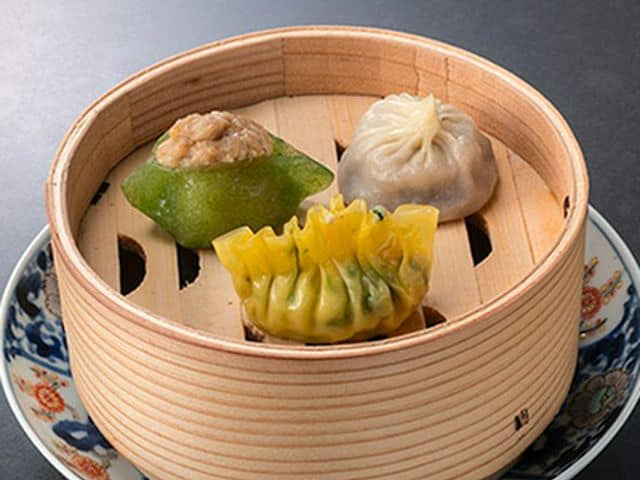
Every bite unfolds a culinary narrative, inviting us to appreciate the rich tapestry of flavors that connect different cultures.
Embracing these tastes allows for a delightful adventure.
So, how can we dive deeper into these culinary exchanges?
Let’s keep blending traditions, just as we might drizzle sweet soy sauce over our favorite dumplings. With every dish, a new adventure awaits, from the savory sweetness of sweet soy sauce and jiaozi to the sizzling excitement of teppanyaki, enhanced by goma and togarashi, where every bite bursts with umami.


