
Crafting your own dumpling wrappers brings a delightful touch to your kitchen adventures. It’s incredible how simple ingredients, like rice flour and water, can create such a satisfying culinary experience.
With just a few steps, the transformation from basic pantry items to delicate dumpling skins is truly mesmerizing.
You’ll appreciate the freshness and customizability these homemade wrappers offer, allowing you to cater to various dietary needs.
Begin by mixing glutinous rice flour with tapioca starch for that perfect chewy sensation. Once you dive into this fun process, your family and friends will surely be impressed by your newfound skills in making delicious dumpling wrappers using rice flour, tapioca starch, glutinous rice, and water.
Understanding Dumpling Wrappers Composition
Let’s dive into what goes into making delicious dumpling wraps.
- The Basics of Wrapper Ingredients
- Flour Type: Choosing the right flour matters. For instance, regular flour creates a sturdy dough kneading that holds fillings well, while specialty flours can add unique traits that enhance the overall experience.
- Water Ratio: The amount of water impacts the texture significantly. Too much, and you’ll find yourself with a sticky mess; too little, and the dough won’t be stretchy enough for those perfect steamed dumplings.
Unique Variations can be created by experimenting with different fillings and techniques in dough kneading, leading to a variety of steamed dumplings that showcase the diversity of Chinese cuisine and the artistry of handmade dumplings with their delicate, translucent skin.
How To Use Rice Flour Effectively?
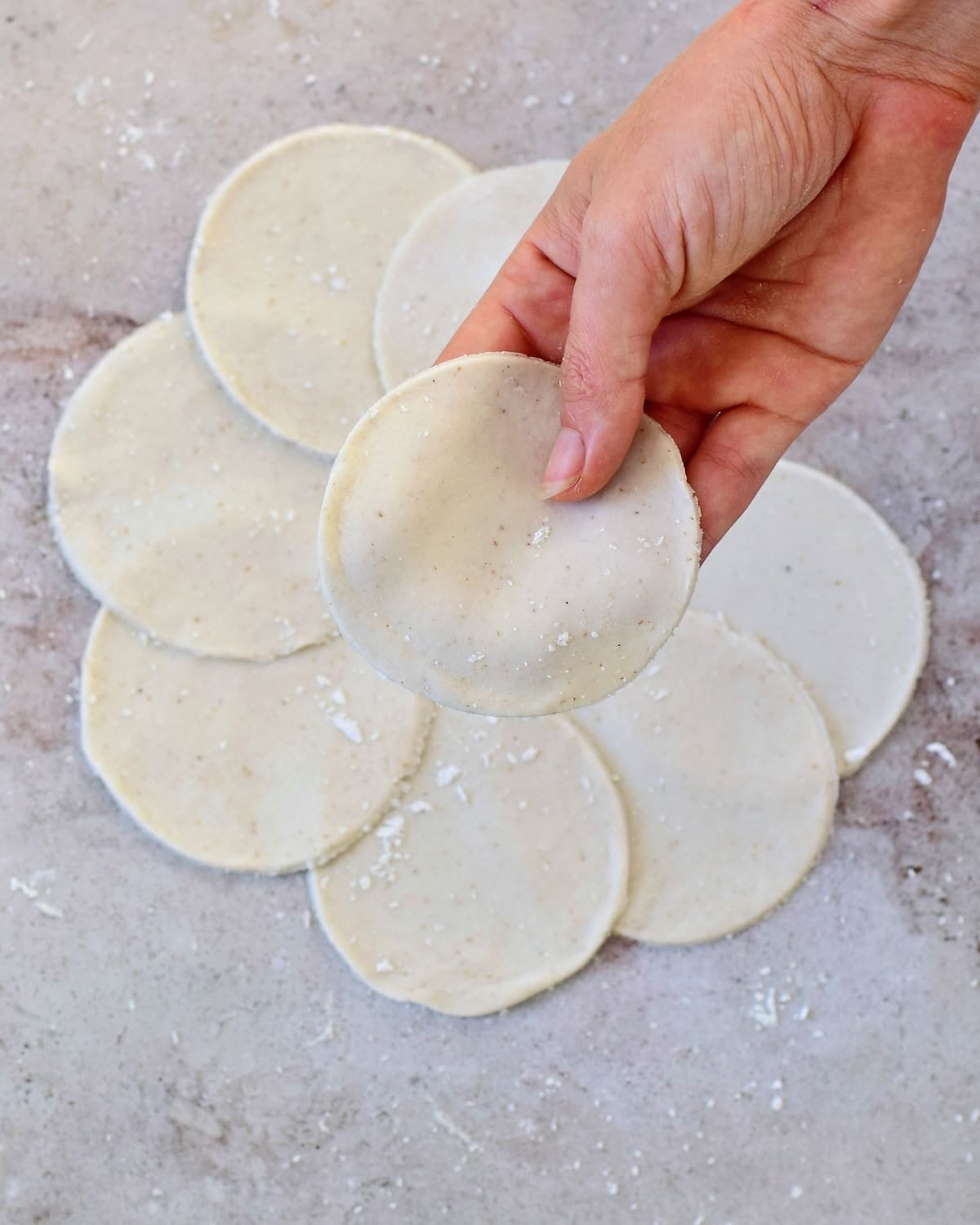
If you’re looking to elevate your dumpling recipes, using rice flour can make a real difference. Let’s dive right into making the most of this versatile ingredient for that delicate texture you crave.
It’s good to note that rice flour has a slightly gritty feel compared to its wheat counterpart, so mixing it well is key for achieving smooth results.
When you start hydrating the flour, add water gradually.
This approach helps you reach that perfect dough consistency.
And don’t shy away from experimenting with various filling options that will complement your wrappers beautifully. Trust me, once you nail these culinary techniques, your dumplings will truly wow everyone with their delightful filling options, exquisite dumpling recipes, and the delicate texture that defines authentic Asian cooking!.
- Rice flour provides a unique texture that enhances the overall quality of dumplings.
- Gradually adding water during the dough preparation helps achieve the desired consistency.
- Experimenting with various filling options can elevate the flavor and appeal of your dumplings.
- Proper mixing of rice flour is essential to avoid a gritty texture in the final product.
Tips For Mixing Tapioca Starch
Getting the hang of working with this versatile ingredient can be quite rewarding! Start by ensuring your starch is completely dry; this little tip helps prevent unwanted clumps that can mess with your food preparation. Have you experienced the frustration of clumpy starch when whipping up a batch of your favorite dim sum? It’s no fun!
Next, introduce water gradually to your mixture.
Adding it slowly allows you to maintain control over the consistency, which is handy when you’re crafting those savory fillings or perfecting your edible wrappers.
A bit of patience here can make all the difference in achieving that silky texture that elevates your dishes. Paying attention to these details is especially important when you’re diving into traditional recipes or exploring savory fillings and edible wrappers in ethnic foods.
Learning Dough Kneading Techniques

Getting comfortable with working dough can open up a whole new world in your culinary arts journey. It’s all about transforming simple ingredients into something truly delicious, and there’s no better way to start than by learning the right techniques.
Whether you’re whipping up some tasty dumpling varieties or trying your hand at other kitchen essentials, the texture of your dough is going to be a game changer.
With practice, you’ll notice how variations in kneading methods can enhance flavor profiles and give your creations the perfect chewiness. So, let’s roll up our sleeves and dive into the magic of shaping these staple ingredients!
Before diving into the hands-on part, it’s good to grasp the role kneading plays in the culinary arts, as it helps to develop the gluten structure necessary for creating a variety of textures and flavors in your kitchen essentials, which can enhance your cooking methods and elevate your dumpling varieties.
- Kneading dough develops gluten, which is crucial for achieving desired textures in baked goods.
- Different kneading methods can significantly alter the flavor and chewiness of the final product.
- Mastering dough techniques can enhance your culinary skills and expand your repertoire of recipes.
- Understanding the science behind dough can lead to more successful and satisfying cooking experiences.
Achieving Ideal Dough Elasticity
There’s something truly satisfying about making dumplings from scratch. To get the right balance, you’ll want to focus on how your dough behaves.
Gluten plays a significant role; it’s what gives the dough that stretchy, chewy texture we all love.
Different starch types can change how your dough feels, so it’s wise to choose your flour carefully.
When kneading, aim for that sweet spot—enough kneading to develop a nice texture without overdoing it. And don’t skip the resting phase; it makes a world of difference! After letting your dough relax, checking its readiness for rolling with your rolling pin is a breeze. Now you’re all set to dive into the fun part—dumpling folding, where you can experiment with different starch types, dough elasticity, and the perfect use of a rolling pin to create savory pastries!.
Exploring Savory Filling Options

If you’re eager to elevate your culinary creations, the right fillings can truly transform your dumplings. Imagine creating a delightful blend of flavors, merging classic favorites with exciting new twists.
From savory pork and cabbage to adventurous ingredients, there’s truly no end to the combinations you can try.
And hey, even glutenfree alternatives can shine in your dumpling game, ensuring everyone can indulge in your tasty treats.
Remember, adding a bit of crunch not only enhances your dish presentation but also keeps every bite interesting. Moisture is key, so don’t overlook those juicy additions that will bring your flavors together. Let’s explore some delectable options that will inspire your next batch of dumplings before we jump into mastering the steaming techniques for perfect results, including gluten-free alternatives, the use of agar for texture, creative dim sum arrangements, and the art of dish presentation and food styling.
| Filling Options | Texture Enhancements |
|---|---|
| Savory pork and cabbage | Juicy additions for moisture |
| Adventurous ingredients | Crunchy elements for presentation |
| Gluten-free alternatives | Agar for improved texture |
Mastering Steaming Techniques For Dumplings
Are you ready to take your dumpling skills to the next level? Let’s dive right into some steaming techniques that are essential for achieving that delightful food texture everyone craves. It’s all about blending moisture and heat for the best results.
Start by deciding whether you prefer traditional bamboo steamers or sleek, modern metal ones.
Each type offers unique benefits, so it ultimately comes down to your personal taste.
To make your culinary adventure even smoother, remember to line your steamer to prevent your dumplings from sticking. Timing can really make or break your dish; knowing when your dumplings are perfectly cooked is key to enjoying exciting recipe variations. With the right tools and techniques in your arsenal, you’ll be ready to explore savory filling options that incorporate steaming techniques, enhance food texture, utilize diverse culinary ingredients, and embrace exciting recipe variations and filling combinations.
Essential Tools For Homemade Dumplings

Having the right cooking tools can be a total game changer. First off, a solid rolling pin is a must-have.
It helps you roll out those thin wrappers that are just perfect for your choice of filling.
You don’t need to splurge on fancy equipment; a simple wine bottle can work wonders in a pinch.
Next, think about getting some cutters or molds. These handy gadgets will give your dumplings that gourmet cooking flair with those uniform shapes.
Mixing bowls are vital for preparing your dough and filling; opt for sturdy ones that can handle a little rough treatment without tipping over. And let’s not forget the pastry brush! It’s a nifty tool for moistening dough and enhancing the presentation of gourmet cooking and artisanal food, bridging food traditions and fusion cuisine beautifully.
Conclusion
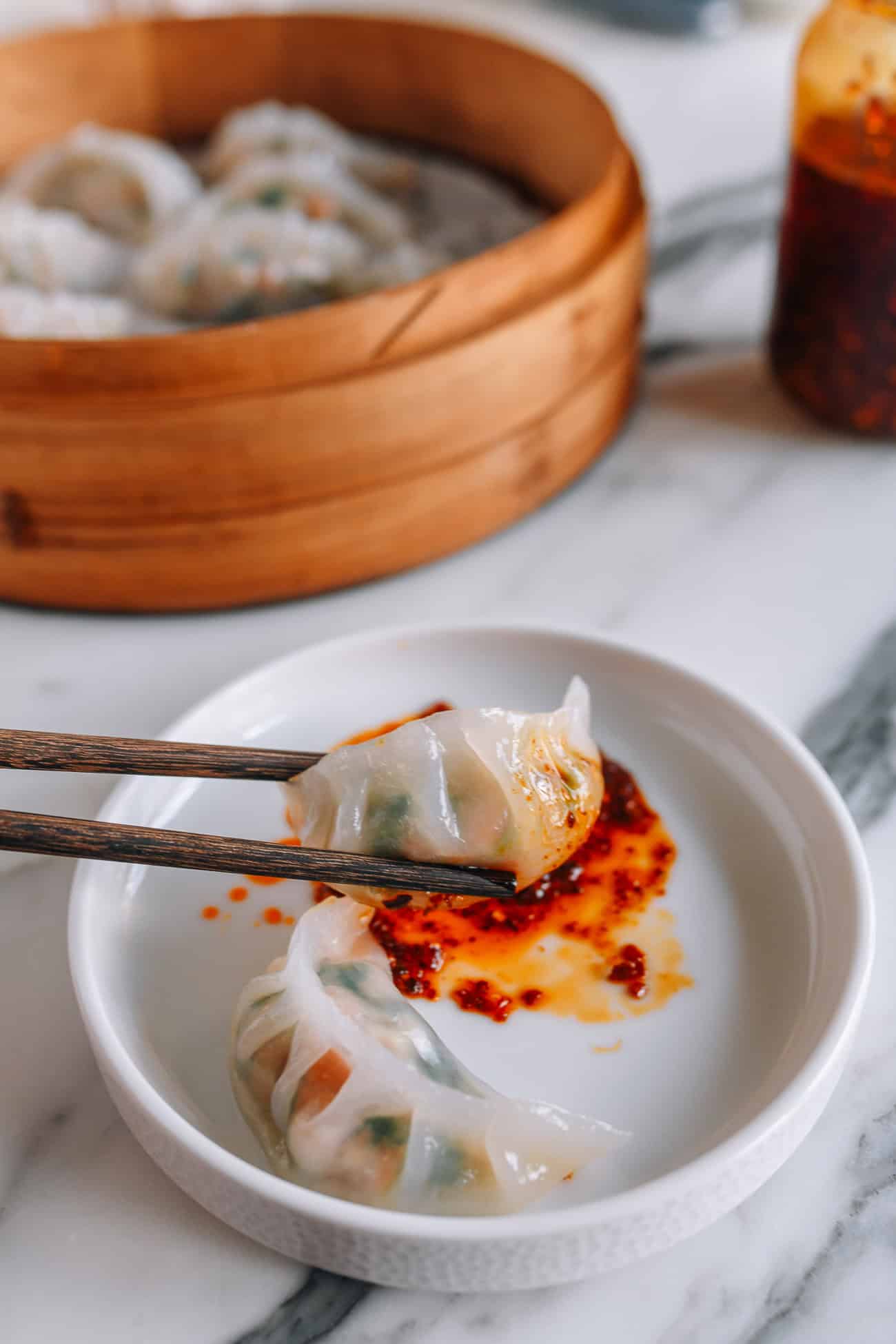
Wrapping up a flavorful adventure in your kitchen can feel incredibly satisfying. Crafting these delightful dumplings connects you to a rich tradition of Chinese gastronomy that is both inspiring and fun.
Each fold and filling reflects a bit of culture, inviting creativity as you mix and match your favorite flavors.
As you embark on this culinary journey, let your kitchen become a vibrant hub of regional dishes, where every dumpling has its own tale to tell.
So, what are the best food pairings for these scrumptious bites? Keep exploring and experimenting as you dive deeper into the world of homemade cuisine. Your willingness to try new things will surely lead to delicious discoveries, especially as you explore the diverse flavors of Chinese gastronomy, savor regional dishes, experiment with homemade cuisine, and delight in unique food pairings and cultural recipes.


